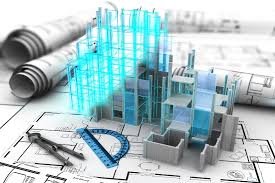
Digital tools are changing how projects are planned, priced, and delivered. A model is no longer just a drawing; it’s a source of measurable data that teams use to make decisions faster and with more confidence. That matters because small mistakes in the early stages turn into big-time and cost problems on site.
Why model-driven work beats paper takeoffs
When a model is clean and consistent, it replaces a lot of manual counting. In the first stages of design, using BIM Modeling Services can give teams immediate access to surface areas, lengths, and counts — the raw numbers estimators need. That means fewer guesses, fewer double-counts, and fewer surprises when quantities are translated into purchase orders.
A tidy model also makes revisions easier. Change the window size, and the takeoff updates. Change a wall type, and areas shift automatically. That kind of speed helps teams test options without rebuilding estimates from scratch.
Quick benefits at a glance
- Faster takeoffs than manual methods
- Clearer tracking of changes and versions
- Better coordination between designers and builders
Simple workflows that reduce rework
You don’t need a complex system to get value. A repeatable, light process is often the best route.
- Agree on a minimal set of properties the model must carry (material, zone, finish).
- Export those properties in a simple CSV or schedule.
- Have an estimator run a focused review and flag odd items.
- Keep a one-line change log tied to each export.
These habits stop the endless “which version is correct” problem. They also keep the model honest — a true source of quantity, not a messy folder of files.
Catch long-lead and specialty items early
Some parts take months to deliver. Detecting those early avoids rushed orders and premium freight. Use the model to filter for likely candidates: custom façades, large mechanical modules, specialty glazing, and unique trim. Tag them in the model and let procurement start vendor contact while the design is still flexible.
When procurement, the design team, and the estimator talk early, they can choose between preordering, switching to a standard product, or redesigning the detail. Any of those options is cheaper than waiting.
Turning model counts into real costs
Numbers from the model need context. A measured quantity is only useful once someone adds labor, waste, and local pricing. That’s why a Construction Estimating Company plays an important role mid-project: they convert model exports into realistic installed costs and highlight where assumptions might be risky.
Estimators add value in ways models can’t. They know how site access, sequencing, and local labor rates will influence the final price. They also know where a low material price becomes costly because it requires more time or special equipment to install.
In practice, a short loop works best:
- model exports → quick estimator sanity check → minor adjustments → updated estimate.
Want more knowledge about estimations? Read our blog now: What Is a Crawl Space Foundation? (Definition and Overview)
Do that a few times during design, and budgets stay meaningful.
Automate repeatable checks, but keep judgment in place
Tools can pull quantities, run clash detection, and produce delta reports. Use them. But let human reviewers handle edge cases and judgment calls — complex assemblies, unusual site constraints, or items with unclear scope.
Good practice is simple:
- Automate routine extraction.
- Run a short human review for flagged items.
- Apply local knowledge to finalize the installed cost.
That mix — machine speed and human sense — works best.
Mapping model items to procurement and claims formats
For a few tasks, you’ll need outputs that reviewers assume. If estimates may be reviewed by means of insurers or claims adjusters, put together version exports that map cleanly into acquainted codecs. This step reduces lower back-and-forth and makes the evaluation procedure quicker.
If that format is required, include mapping in your workflow so the version’s quantities grow to be readable line items for whoever has to approve the numbers.
Keep communication short and actionable
Owners and managers don’t want long reports. They want clear tradeoffs and a recommendation. Present the results simply:
- One-page summary with cost delta and schedule impact
- Short table: item, quantity change, cost effect
- Three pros/cons and a recommended next step
A clear page beats a 20-page PDF every time.
Small checklist to get started now
- Agree on minimal metadata for modeling this week.
- Run an export and send it to your estimator for a 1-hour sanity check.
- Flag any long-lead items and start vendor outreach.
- Produce a one-page summary for the owner.
These steps are quick and make future updates painless.
When structured, auditable outputs are needed
Not every stakeholder reads a Revit file. Lenders, insurers, and some owners want standardized, auditable line items. That’s where Xactimate Estimating Services and similar structured platforms are useful: they accept measured quantities and present costs in a familiar, reviewer-friendly format, with regional pricing references and a clear separation of labor/material/equipment.
Mapping model-derived quantities into structured outputs creates two benefits:
- Precision from measurable geometry.
- Defensibility from standardized line items that reviewers recognize.
Before the belief: preparing for formal evaluations
When a project needs to be audited or formalized estimates, map the version outputs into the exact line-object format that reviewers anticipate. That exercise simplifies validation and speeds approvals. If stakeholders require standardized reporting, prepare those mappings properly before gentle so you avoid remodel and overdue surprises.
For initiatives that need claims or insurance assessment, making the version talk the specified layout will save time and reduce friction at the end of the procedure.
Final thought
Digital construction changes how initiatives are priced and planned. Models come up with velocity and repeatability; estimators add the sensible judgment needed to turn numbers into budgets. Together they cut uncertainty, hold owners knowledgeable, and decrease last-minute scramble. Start small, hold the manner tight, and allow the version force measurable decisions.
FAQs
Q1: When ought the estimator see the model?
As early as schematic design. Early admission to estimate flag fee drivers and long-lead risks at the same time as changes is nevertheless easy.
Q2: How frequently ought I update the estimate as the version evolves?
At key milestones — schematic, layout development, pre-tender, and after any owner-driven scope change. For huge initiatives, add a monthly check tied to version revisions.
Q3: What if I want estimates in a reviewer’s precise layout?
Map model outputs to that layout early. Doing so avoids rework and speeds approvals, particularly while third-party reviewers or insurers are worried.