If you’re spending 8+ hours a day staring at a screen, your eyes are constantly under stress. Two popular solutions dominate the conversation: ACUVUE OASYS contact lenses and blue light blocking glasses. But which one actually does a better job protecting your eyes? Let’s break it down completely.
What Is Digital Eye Strain and Why Should You Care?
Digital Eye Strain (DES), also known as Computer Vision Syndrome, affects over 50–90% of regular screen users. Symptoms include dry, irritated eyes, blurred vision, headaches, and difficulty focusing after long screen sessions. The main culprits are reduced blinking, blue light exposure, screen glare, and poor contrast, all of which damage your visual comfort over time. Understanding the cause helps you choose the right solution. Some problems are about moisture and oxygen. Others are about light and glare. Acuvue Oasys and glasses each target different parts of the problem.
What Is ACUVUE OASYS?
ACUVUE OASYS is a premium silicone hydrogel contact lens by Johnson & Johnson Vision. It’s built with HYDRACLEAR PLUS Technology, which keeps lenses moist for up to 16 hours — making it one of the most popular lenses among people who work long hours in front of screens.
How ACUVUE OASYS Screen-Related Eye Problems
ACUVUE OASYS tackles digital eye strain from the inside out. Its high oxygen transmissibility (Dk/t of 147) allows more oxygen to reach the cornea, keeping eyes white, healthy, and comfortable even during marathon work sessions. The smooth lens surface reduces optical noise, which means less squinting, less fatigue, and sharper clarity on your screen.
Blue Light Blocking Glasses: What They Do and Don’t Do
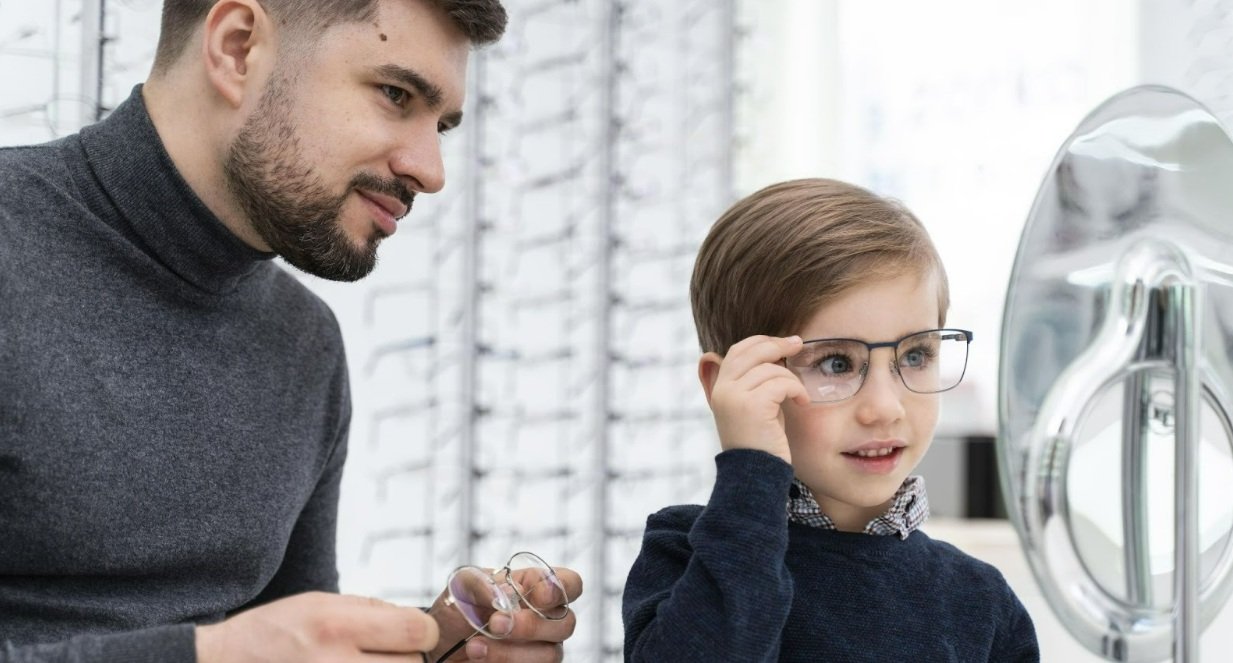
Blue light glasses have become a billion-dollar industry, but the science behind them is more nuanced than the marketing suggests. These glasses feature special coatings or tinted lenses that filter blue light wavelengths (380–500 nm) emitted by screens and LED lighting.
Types of Blue Light Glasses
Not all blue light glasses are equal. Clear-lens AR-coated glasses block only a small percentage of blue light (10–20%) and are the most subtle option for office use. Yellow or amber-tinted lenses block significantly more (30–70%) but distort color perception, which can be frustrating for designers or anyone doing color-sensitive work. Prescription blue light glasses combine vision correction with filtering a solid choice for people who already need corrective lenses.
What the Research Actually Says About Blue Light Glasses
Here’s where it gets interesting. The American Academy of Ophthalmology does not currently recommend blue light glasses for screen eye strain. Research suggests that the amount of blue light emitted by screens is far below levels that cause retinal damage, and that eye strain from screens is primarily caused by reduced blinking and focusing effort not blue light itself. That said, many users report subjective improvements in comfort and sleep quality, so personal experience matters here.
ACUVUE OASYS vs Glasses: The Real Comparison
Moisture and Dry Eye Relief
This round goes decisively to ACUVUE OASYS. Its HYDRACLEAR PLUS technology actively stabilizes the tear film all day long. Glasses do absolutely nothing to combat dryness — they only manage light. However, contacts do sit directly on the eye and can themselves contribute to dryness in some users, especially in very dry or air-conditioned environments. If you have severe dry eye disease, glasses may ironically be more tolerable for long-term wear.
Blue Light and Glare Protection
Glasses win this round, especially when it comes to blue light filtering. Standard ACUVUE OASYS lenses don’t block significant amounts of blue light. Even ACUVUE OASYS with Transitions filters some blue-violet light, but dedicated blue light glasses — particularly amber-tinted ones filter far more. For glare reduction, anti-reflective coated glasses also outperform standard contacts.
Visual Comfort and Clarity
ACUVUE OASYS takes this one. Because the lens moves naturally with your eye and has a smooth optical surface, many users find on-screen text sharper and clearer than with glasses, which can create reflections, distortions near the edges of the frame, and fitting issues. There’s no frame in your peripheral vision, no smudges, and no fogging, all common complaints from glasses wearers.
Convenience for Long Screen Sessions
ACUVUE OASYS edges ahead. Contacts require no maintenance during the day, don’t fog up when you move between environments, and stay comfortable through extended wear. Glasses slip down your nose, need cleaning, and can cause pressure headaches around the temples and nose bridge during long sessions.
Eye Health and Oxygen Supply
ACUVUE OASYS wins clearly. Silicone hydrogel lenses like ACUVUE OASYS allow significantly more oxygen to reach the cornea compared to any lens coated on glasses. Corneal oxygen supply is critical for long-term eye health, and high Dk/t lenses are the gold standard for extended daily wear.
UV Protection
ACUVUE OASYS dominates here. It blocks over 99% of UVB and 95% of UVA rays, the highest UV protection available in a soft contact lens. Most blue light glasses offer little to no UV protection unless combined with a UV-blocking coating or photochromic tint.
Who Should Choose ACUVUE OASYS?
ACUVUE OASYS is the better choice if you spend long hours at a screen and want all-day moisture, crisp visual clarity, and superior eye health support. It’s ideal for professionals in demanding screen environments, people in dry or air-conditioned offices, and anyone who finds glasses physically uncomfortable during long work sessions. If you opt for the Transitions variant, you also get added light adaptability and partial blue light filtering.
Who Should Choose Blue Light Glasses?
Blue light glasses make more sense if you have existing dry eye conditions that make contact lens wear difficult, if you want to reduce evening screen exposure to improve sleep, or if you prefer not to insert anything into your eyes. They’re also a smart add-on if you already wear prescription glasses and don’t want to switch to contacts.
Can You Use Both ACUVUE OASYS and Blue Light Glasses Together?
Yes, and many serious screen users do exactly this. Wearing ACUVUE OASYS contacts for moisture, clarity, and oxygen support while also using a pair of blue light glasses on top (with non-prescription lenses) gives you the benefits of both approaches. It’s not necessary for everyone, but for people who work 10 to 12-hour screen days, the combination can provide noticeably better comfort.
Conclusion
There’s no single winner because each solution targets different problems. ACUVUE OASYS is superior for moisture, oxygen, UV protection, and visual clarity. Blue light glasses are superior for filtering blue light and reducing glare. For most screen users, ACUVUE OASYS addresses the core causes of digital eye strain more directly and comprehensively. But if blue light sensitivity or sleep disruption is your primary concern, blue light glasses are a worthwhile investment, ideally used alongside, not instead of, quality contact lenses. The best eye protection strategy is a combination of good lenses, proper screen ergonomics, the 20-20-20 rule (every 20 minutes, look at something 20 feet away for 20 seconds), and regular eye exams. Your eyes are worth it.