The presence of pests can be a major problem in any home. These may destroy furniture, chew up wires, contaminate food, and even be carriers of diseases that may affect the health of your family and pets.
Insects like ants, cockroaches, and spiders, and rodents like mice and rats are always in need of shelter, water, and food. Even minor cracks, openings, or damp spots may serve as easy access points through which they can get into them and nest themselves.
Most homeowners do not take action until the issue is visible, which may complicate controlling the infestations and render them more expensive. By understanding the behavioral patterns of the pests and what attracts them, you can take proactive measures to make sure that they do not get into your home at all.
The following sections give you practical tips that allow you to maintain a pest-free home throughout the year.
1. Seal All Entry Points to Block Pests

The most effective way of preventing the entry of pests into your home is by ensuring that all possible entry points are closed tightly. Wall cracks, door frames, and openings near pipes are easy access points for insects and rodents. By identifying these vulnerabilities, you can seal them, thus reducing the possibility of pests entering the building.
Also, you must install weather stripping in your home, fix broken screens, and block vents. Such measures are not very big, yet they can considerably restrict the chances of intruders. Additionally, you may hire 5-star pest control service providers to look after the hard-to-reach spaces and treat unseen holes to make a more comprehensive solution to infestation.
Regular inspections are also essential. Periodic checking, particularly with seasonal change or extreme weather, assists in keeping protection and avoiding new cracks from turning into gateways, making your home safe all year round.
2. Control Moisture to Discourage Infestations
Moisture attracts a variety of pests, such as termites, cockroaches, and rodents, as it provides a source of water essential for survival. Leaks, condensation, and damp spaces in the house provide perfect conditions for pests. Consequently, moisture concerns are one of the factors that need to be addressed to reduce them.
Start by repairing any plumbing leaks and ensuring that the roof tracks and vertical pipes do not lead to the house. Dehumidifying basements and ventilating bathrooms and attics can make such areas less appealing to pests by reducing humidity. Keeping the environment dry directly inhibits the capacity for survival and reproduction.
Besides, moisture monitoring is vital. Check for damp patches, slow-draining sinks, and condensation around windows. With a combination of repairs and frequent observation, you can have a constantly dry atmosphere, effectively discouraging pests from settling in your house.
3. Maintain Cleanliness and Proper Food Storage

One of the best methods of preventing pests is having a clean house. Food crumbs, spills, and exposed foods attract ants, cockroaches, and rodents. By regularly cleaning countertops, sweeping floors, and wiping tables and kitchen surfaces, you can eliminate these temptations. This makes the living space less inviting and minimizes the possibility of pests living indoors.
Further, this protection is enhanced by proper storage of food. Using airtight containers for pantry items and pet food prevents accessibility by pests. Cleaning under appliances and behind trash bins helps to eliminate crumbs or any other leftovers so as to discourage infestations.
Proper waste management is also a key factor. Take out the inside trash every day, put lids on the outside bins, and place compost or organic waste outside the house. Together, all these actions make the home pest-free and healthy.
4. Keep Your Yard and Exterior Well Maintained
The condition of your yard greatly influences the likelihood of pests entering your home. Overgrown plants, leaf piles, and standing water create ideal hiding and breeding spots. By keeping landscaping tidy and well-organized, you reduce the areas where pests can thrive close to your property.
Trim trees and bushes so they do not touch your home, mow grass regularly, and remove debris such as wood or leaves. Proper drainage ensures that water does not accumulate, preventing mosquito breeding and discouraging other moisture-loving pests. These measures collectively create a less hospitable environment around your home.
In addition to aesthetics, exterior maintenance serves as a preventive strategy. When outdoor areas are unattractive or unsafe for pests, they are far less likely to linger near your home. Regular yard upkeep directly contributes to a pest-free interior.
5. Use Professional Pest Services for Year‑Round Protection
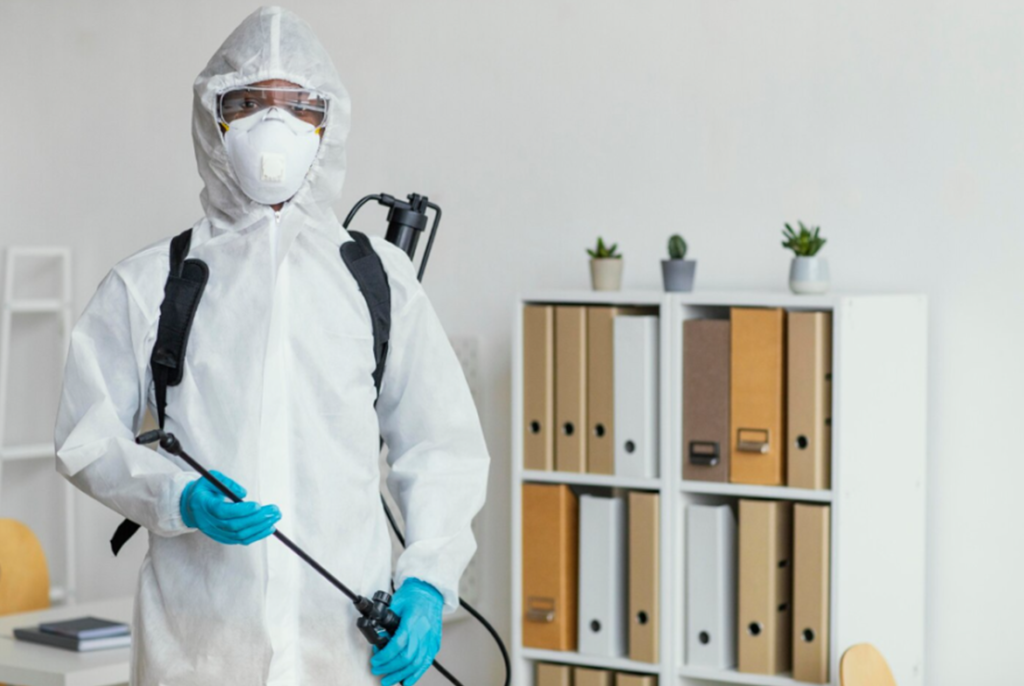
Even the most diligent preventive measures may not fully protect against pests. Professional pest services provide expertise, inspections, and treatments that go beyond typical household efforts. They can identify hidden problem areas and implement strategies to keep pests away continuously.
Experts also monitor seasonal pest activity and adjust treatments accordingly. Their methods are safe for your family and pets while effectively controlling pests before they become a serious problem. This proactive approach reduces the risk of infestations and the need for emergency interventions.
Furthermore, professional services offer customized plans suited to your home’s unique environment. Consistent monitoring and treatments ensure year-round protection, giving homeowners peace of mind and reducing the ongoing stress of dealing with unwanted intruders.
Conclusion
Vigilance and proactive attention are key to keeping your home pest-free. Regularly checking for small signs of trouble and addressing them promptly prevents minor issues from developing into serious infestations. This approach ensures your home remains safe, comfortable, and protected year-round.
Equally important is fostering awareness among all household members. When everyone participates in maintaining a pest-unfriendly environment, it strengthens long-term prevention. Small, consistent actions collectively create a home where pests find no opportunity to settle, giving you lasting peace of mind and security.