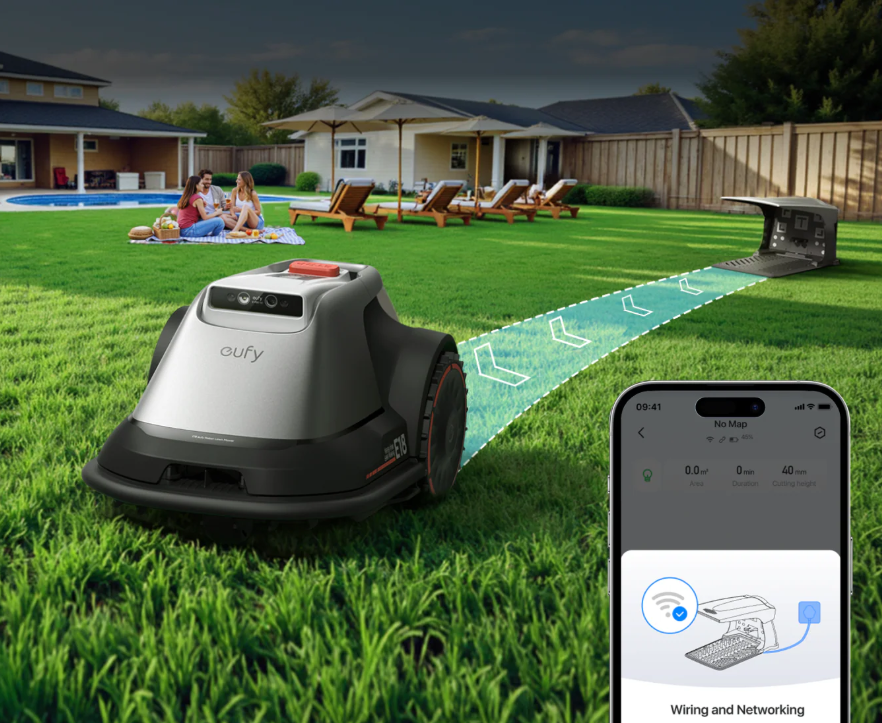
The chore of lawn mowing has evolved dramatically with autonomous technology transforming how homeowners approach yard maintenance. A robotic lawn mower represents one of the most significant innovations in residential lawn care, offering the promise of consistently beautiful lawns without traditional time investments.
These sophisticated machines have progressed far beyond initial versions, incorporating advanced navigation systems, intelligent scheduling, and sophisticated safety features. Modern robotic mowers handle mowing automatically, returning to charging stations when batteries need replenishment, and continuing their work on programmed schedules—all without human intervention.
This comprehensive guide explores robotic mower technology, benefits, and practical considerations for homeowners considering this innovative approach to lawn maintenance.
Technology Behind Robotic Mowing

Modern robotic mowers represent sophisticated engineering combining multiple technologies into autonomous packages capable of maintaining lawns with minimal human involvement.
Navigation Systems
These machines navigate using various systems adapted to different lawn types and user preferences. Understanding navigation technologies helps select appropriate equipment for specific situations.
Perimeter wire systems remain the most established navigation method. A thin wire is installed around lawn edges and around any obstacles within the mowing area. The mower detects electromagnetic signals from this wire, using them to establish and maintain boundaries. This proven technology has been refined over decades, offering reliable performance across diverse lawn configurations.
GPS-enabled models use satellite positioning for navigation, eliminating the need for perimeter wire installation. These systems can create virtual boundaries using coordinates, reducing setup complexity. However, they typically cost more and may experience limitations in areas with poor GPS signal—densely tree-lined yards or properties near tall buildings might see reduced accuracy.
Some advanced models employ hybrid approaches, combining GPS for overall positioning with ultrasonic or infrared sensors for obstacle detection and avoidance. This combination offers enhanced capabilities but at corresponding price points.
Autonomous Operation
Robot mowers operate on programmed schedules without requiring human intervention during mowing cycles. When battery levels approach depletion, machines automatically return to charging stations. After recharging, mowing resumes where it stopped, ensuring complete coverage over time through repeated cycles.
This continuous-cycle approach maintains consistent lawn height while producing fine grass clippings that decompose naturally. Unlike traditional mowing with longer intervals between cuts, robot mowers trim small amounts frequently, promoting healthier grass growth through consistent cutting.
Sensors detect obstacles—trees, furniture, pets, toys—triggering direction changes to avoid collisions. Rain sensors often trigger return to base, protecting equipment and preventing operation during suboptimal conditions.
Practical Advantages
Robot mowers offer compelling benefits extending beyond simple convenience, making them attractive options for modern households.
Time Recovery
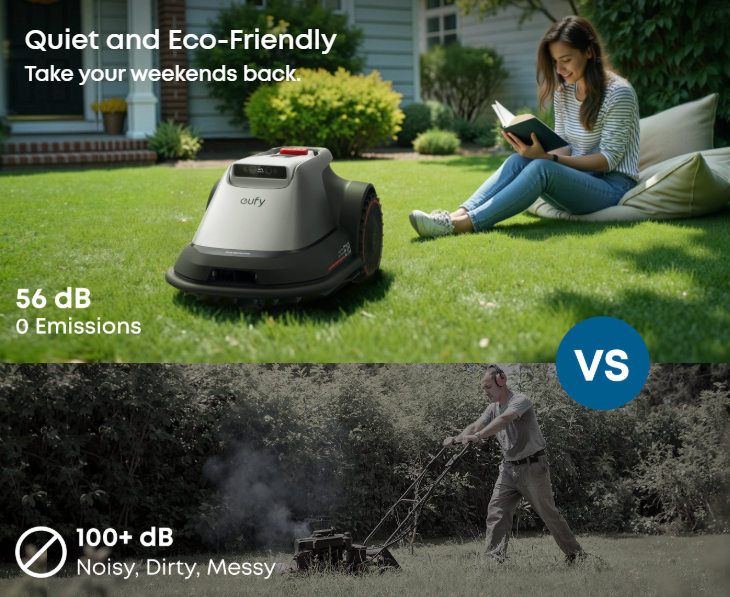
The most apparent benefit: significant time recovered from lawn maintenance. Weekend mornings once spent pushing mowers become available for family, hobbies, or relaxation. This quality-of-life improvement appeals especially to busy professionals, families with children, and anyone valuing their limited free time.
Time savings accumulate substantially over growing seasons. Even modest lawns requiring 30-60 minutes weekly for traditional mowing add up to 12-24 hours annually. That’s an entire weekend’s worth of time recovered for other activities.
Lawn Health Improvement
Frequent, light mowing produces healthier lawns than less frequent heavy cuts. Smaller grass clippings decompose faster than larger clippings from traditional mowers, returning nutrients to soil more efficiently. This natural mulching promotes denser, more robust grass growth.
Robot-mowed lawns often demonstrate improved health compared to equivalently maintained traditional lawns. Consistent cutting heights encourage tillering—the production of side shoots—creating denser turf that resists weeds and withstands drought better.
Consistent Appearance
Traditional mowing creates cycles of longer grass requiring more dramatic cuts. Robot mowers maintain uniform height through frequent small increments, producing consistently attractive appearance without the visual ups and downs of traditional mowing schedules.
Selecting the Right Model
Choosing appropriate robotic mower requires matching capabilities to specific lawn characteristics and personal requirements.
Lawn Size Compatibility
Manufacturer specifications indicate maximum lawn sizes equipment can maintain effectively. Selecting appropriately sized equipment ensures complete coverage without excessive wear from overworking. Undersized mowers struggle to complete mowing cycles before batteries deplete, resulting in uneven coverage.
Add 20-30% buffer to measured lawn size when selecting specifications. This accounts for obstacles reducing usable mowing area and ensures comfortable performance margins. Slightly oversizing proves better than risking underperformance.
Terrain Handling
Lawn topography significantly impacts mower selection. Slopes require models with appropriate incline ratings—some handle slopes up to 35 degrees while others max out at 15 degrees. Selecting inadequate slope capacity results in poor performance or potential equipment damage.
Complex lawns with multiple zones, narrow passages, islands, or irregular shapes may require additional boundary wire and more sophisticated models. Some mowers support multiple zones, automatically moving between areas based on programmed schedules.
Feature Assessment
Different models offer varying feature levels. Basic models handle simple lawns with minimal features; advanced models support complex terrain, multiple zones, smartphone control, rain sensors, and smart home integration.
Identify must-have features versus nice-to-have capabilities. Avoid over-feature Selection that increases cost without corresponding benefit for your specific situation.
Installation and Setup
Proper installation ensures optimal performance throughout equipment lifetime.
Boundary Wire Installation
Perimeter wire defines mowing boundaries. Wire can be buried slightly below ground surface or pinned on top for temporary setups. Proper boundary definition prevents escape and ensures complete coverage.
Obstacles within lawns—trees, gardens, pools, play structures—require internal boundary wire creating exclusion zones. Careful planning creates effective mowing maps preventing damage to obstacles or equipment.
Professional installation ensures proper setup but adds expense. Many homeowners successfully install systems themselves following manufacturer instructions.
Charging Station Placement
Charging stations require appropriate positioning for reliable operation. Near-level locations with power access work best. Protection from direct sunlight, driving rain, and snow extends component life while maintaining reliable operation.
Consider accessibility for maintenance and future component replacement when selecting locations. Easy access simplifies battery changes, blade inspection, and general servicing.
Maintenance Requirements
While robotic mowers reduce traditional mower maintenance, ongoing attention ensures continued optimal performance.
Regular Cleaning
Grass accumulation beneath mowers affects performance. Regular cleaning prevents buildup interfering with operation. Most designs facilitate easy cleaning—remove cover and rinse away accumulated debris.
Inspect and clean sensors, wheels, and charging contacts periodically. Debris affects navigation accuracy and charging reliability.
Blade Maintenance
Sharp blades cut cleanly, promoting lawn health while reducing mower strain. Inspect blades regularly, sharpening or replacing as needed. Most blades require replacement every one to three months depending on lawn size, terrain, and grass type.
Factor blade replacement costs into ownership calculations. Some models feature reversible blades extending replacement intervals.
Seasonal Transitions
In regions with cold winters, proper storage during off-seasons protects equipment. Remove batteries and store in temperature-controlled environments. Clean thoroughly before storage to prevent corrosion.
Perform end-of-season maintenance before winter storage. Check wire integrity, clean thoroughly, address any issues before spring startup.
Conclusion
Robot lawn mowers represent mature technology delivering proven benefits for homeowners seeking beautiful lawns with minimal time investment. Understanding technology, benefits, and selection criteria helps determine whether robotic mowing fits your situation.
Explore available robotic lawn mower options to find appropriate matches for your property and lifestyle.