In London, history isn’t just in archives; it’s in the streets, walls, and shapes of the city’s most famous buildings. Even in a modern world full of digital platforms and entertainment like Tong its Star best licensed, where people connect and compete in real time, London still has stories that last longer than trends and technology. But even places that millions of people know well often have details that people don’t notice. There are layers of surprising history behind the familiar shapes of towers, bridges, and cathedrals. These layers were formed by accidents, reinvention, survival, and small changes.
These famous places in the city aren’t just symbols. They are living records of times that most people don’t notice.
The Tower of London: More Than a Fortress
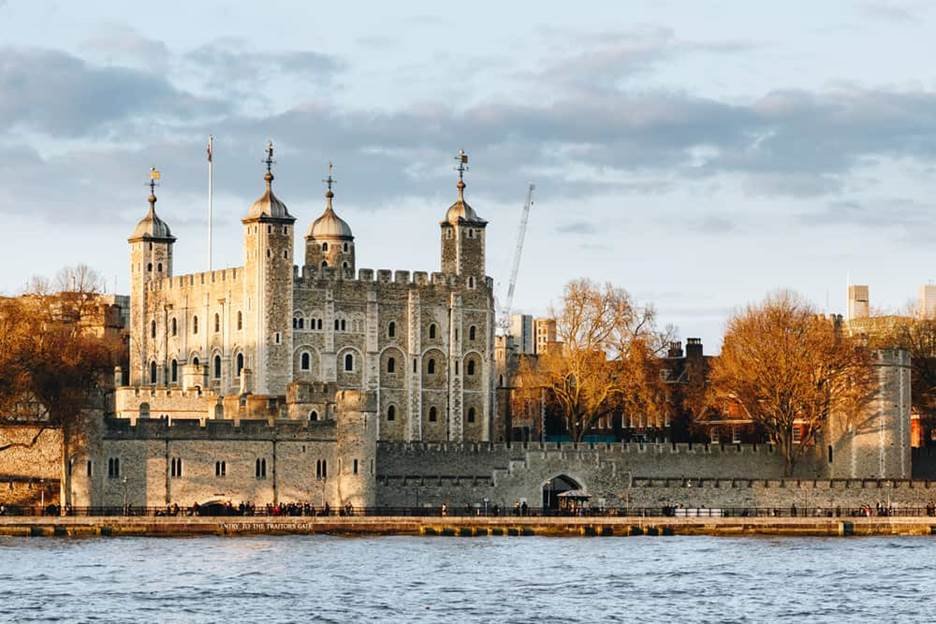
People often call the Tower of London a royal stronghold, but its history goes much deeper than that. It has been a palace, a prison, and even a strange royal zoo over the years.
One of its less well-known stories is about the strange animals that lived inside it. Lions, leopards, and even a polar bear lived here as gifts to the king. The polar bear could fish in the Thames while tied to a chain. This seems strange to us now, but it was a common sight for royals.
Inside the Tower, the conditions of imprisonment also changed based on status. Not all prisoners were kept in dark cells; some lived in rooms that were fairly comfortable inside the complex. The Tower was a place where power and punishment quietly crossed paths. The experience of being locked up depended less on justice and more on political standing.
Westminster Abbey: History Built in Layers
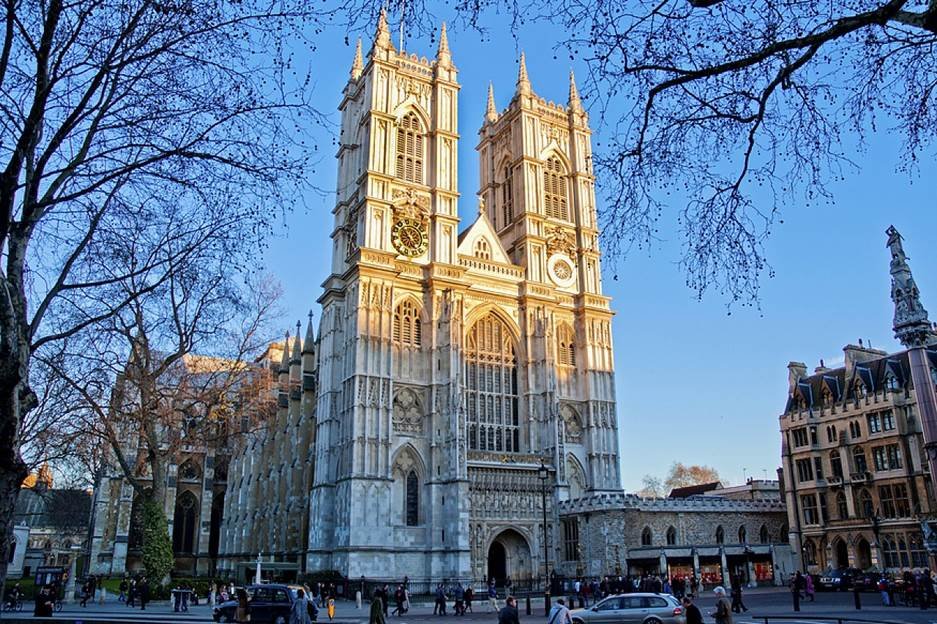
People know Westminster Abbey as a place where royal ceremonies take place, but its history is more interesting because it was built over time instead of all at once.
One of the most surprising things about it is Poets’ Corner, which is now known as a literary memorial space. It started almost by accident when Geoffrey Chaucer was buried. He wasn’t buried because he was a famous writer at the time, but because he was in charge of the government. Over the years, more people came, turning a simple burial site into a famous literary site in the country.
In other parts of the Abbey, if you look closely, you can see stonework from different times stacked on top of each other. The building doesn’t show a single moment in time; instead, it shows how it has been rebuilt, repaired, and changed by politics over the years..
St Paul’s Cathedral: A Survivor of Fire and War
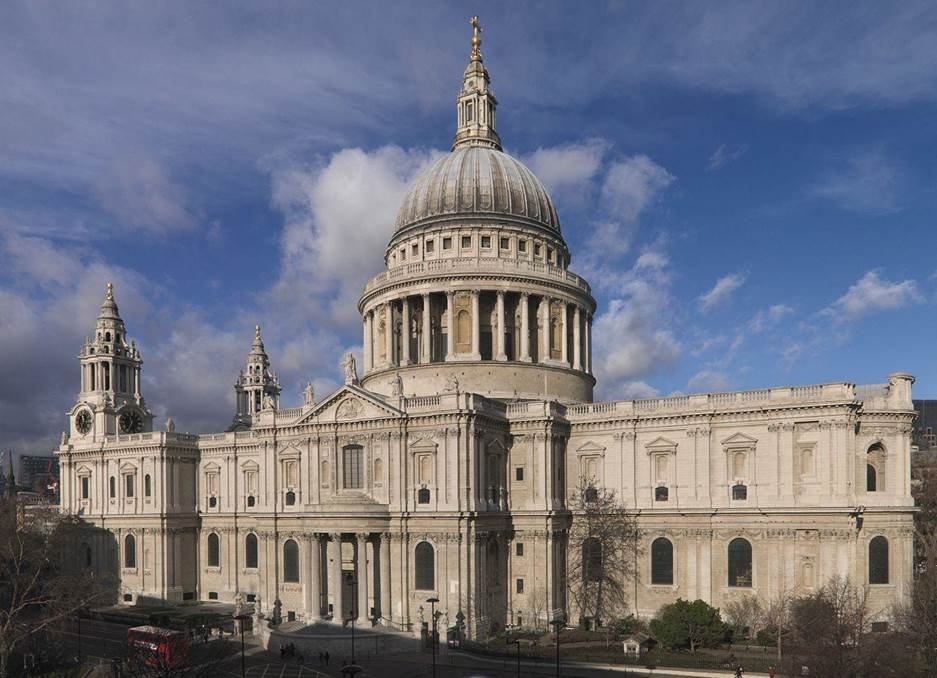
People often talk about the dome of St. Paul’s Cathedral, but the most amazing thing about it is that it has survived.
London was heavily bombed during World War II, and St. Paul’s Cathedral was right in the middle of it. There were incendiary bombs that fell near the building and on it. Firefighters and volunteers worked all night to get rid of them before they could do any more damage.
The well-known picture of the cathedral rising above the smoke became a symbol of strength, but its survival was not just a symbol; it was real and uncertain. The structure might not be where it is today if people hadn’t worked hard on it every night.
There are still small signs of damage from the war in the stone, but most people walk by them without noticing.
The Houses of Parliament: A Rebuilt Identity
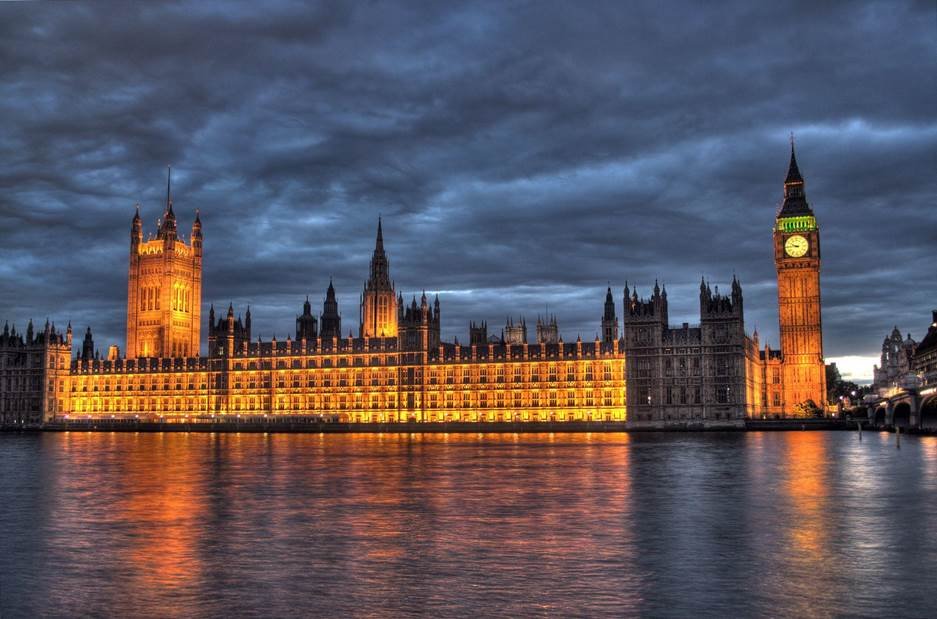
The Palace of Westminster, where the Houses of Parliament are, looks like it has been around for a long time. But a lot of what is still there today is the result of destruction and rebuilding.
A fire in 1834 destroyed most of the original medieval palace. What happened next was not restoration but reconstruction in a Gothic Revival style meant to make people feel like they were living in the past. The end result is a building that looks old, but is mostly a 19th-century version of the past.
There are pieces of older buildings hidden under newer architectural layers on the inside. The building doesn’t just keep history alive; it rebuilds it by turning memory into design.
Tower Bridge: Engineering Disguised as Heritage
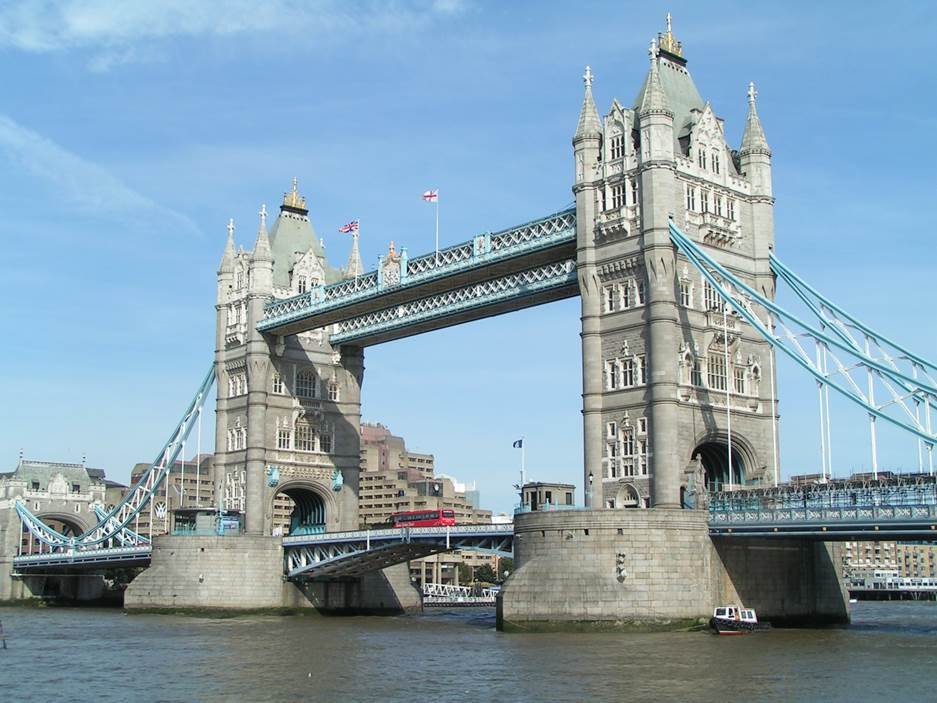
Tower Bridge is one of London’s most famous buildings, but it was built out of necessity, not beauty.
East London needed a bridge in the late 1800s that wouldn’t get in the way of boats on the river. A movable bascule system that was hidden behind a Gothic-style exterior was the answer. Engineers first wanted an industrial design that was purely functional, but the final version had to look like the Tower of London nearby.
People often forget that the bridge’s lifting mechanism still works today, but it has been updated to fit its original purpose. It is still a working piece of infrastructure and a carefully preserved historical design.
London’s Landmarks as Living Memory
These places are connected by more than just their age or fame; they can also change meaning over time. A church turns into a national archive, a palace turns into a reconstruction of its own past, and a fortress turns into a zoo.
The famous buildings in London are not frozen symbols. They are layered structures that show signs of different times, each one shaped by people’s choices, survival, and reinvention.
People who walk through the city every day don’t notice most of these details, which are right in front of them. But they are still there, hidden in stone, steel, and history itself.
And that’s how London keeps telling its story; you just have to pay more attention to hear it.