A few years ago, most people used Google Maps for one thing: getting lost slightly less often.
Now? It practically decides where people eat, shop, book appointments, and spend money before they even leave the house.
And in 2026, one factor continues shaping visibility more than many businesses realize: local guide reviews.
Businesses can spend thousands on branding, interiors, logos, and social media campaigns, but if their Google reviews look suspicious, outdated, or painfully empty, customers notice immediately.
Quietly. Ruthlessly.
Whether people admit it or not, almost everyone checks reviews before making decisions now.
Even for places as simple as coffee shops. Especially for coffee shops, honestly.
Google Maps Became the New First Impression
Years ago, customers might have discovered businesses through websites first.
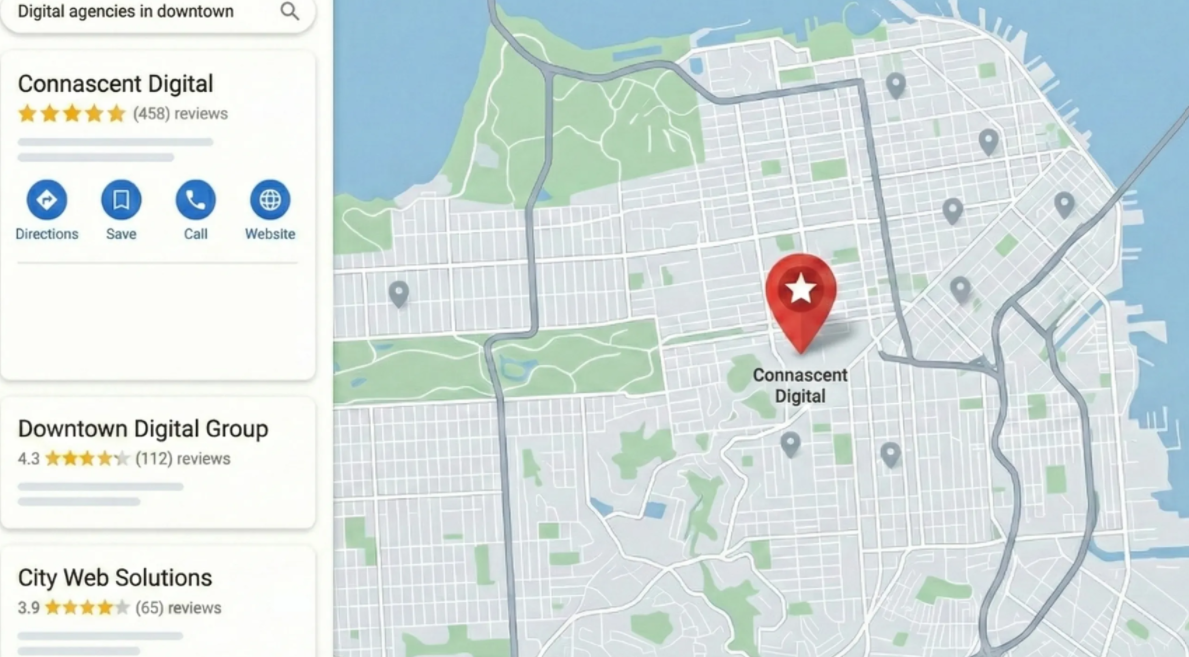
Today, many users discover businesses directly through Google Maps searches like:
- “best pizza near me”
- “The dentist is open now.”
- “coffee shop with Wi-Fi”
- “gym near downtown”
And what do they see first?
Usually:
- star ratings
- photos
- review counts
- customer comments
- Local Guide activity
That information often shapes decisions within seconds.
Most people are not sitting there doing deep investigative research. They scroll quickly, trust patterns, and choose the place that feels safest or most popular.
That’s human behavior now.
Why Local Guides Carry More Influence
Not every review feels equally trustworthy online.
Google’s Local Guides program changed that.
Local Guides are users who actively contribute:
- reviews
- photos
- edits
- updates
- location information
Because these contributors remain consistently active, many users naturally trust their reviews more than random one-line comments saying:
“Good place.”
Thanks, Kevin. Very helpful.
In 2026, Google also appears increasingly focused on review quality instead of just review quantity. Longer, detailed, experience-based reviews often carry more influence than generic feedback.
That shift matters for businesses trying to improve visibility on Maps.
Reviews Affect More Than Reputation Now
Reviews no longer influence only customer opinions. They also affect discoverability.
Businesses with:
- stronger engagement
- recent reviews
- higher interaction levels
- consistent customer feedback
often perform better in local search visibility.
Google wants search results that feel active, relevant, and trustworthy.
A business with no recent activity can start looking abandoned online, even if it’s operating perfectly offline.
And yes, people absolutely judge businesses because the last review was from 2022.
The internet is dramatic like that.
Fresh Reviews Matter More Than Old Praise
One thing businesses learned recently: old five-star reviews eventually lose momentum.
A restaurant with amazing reviews from three years ago but zero recent activity creates doubt.
People immediately wonder:
- “Did ownership change?”
- “Is it still good?”
- “Why has nobody reviewed this lately?”
That’s why businesses now focus more on maintaining consistent review activity rather than collecting reviews once and forgetting about them forever.
Because online trust behaves a bit like houseplants, ignore it too long, and things start looking unhealthy.
Google Is Getting Better at Detecting Fake Activity
This part has become much stricter in 2026.
Google’s systems are increasingly aggressive about:
- suspicious review patterns
- spam activity
- unnatural review spikes
- copied wording
- fake engagement networks
Businesses searching terms like buy google maps reviews may think quick shortcuts solve visibility problems, but risky review behavior can damage credibility long-term if detected.
And honestly, customers are getting surprisingly good at spotting fake reviews too.
Especially the dramatic ones.
Nobody believes:
“THIS DENTIST CHANGED MY LIFE FOREVER!!!”
written by an account with one review and no profile photo.
Photos and Detailed Reviews Help Rankings Too
Reviews are no longer just text.
Google Maps now rewards richer engagement, including:
- uploaded photos
- updated business information
- detailed customer experiences
- menu images
- accessibility notes
That content helps Google understand whether businesses remain active and useful for users.
It also helps customers trust listings faster.
Because people absolutely want to see what the food looks like before pretending:
“I’m only checking the location.”
Why Small Businesses Care More About Reviews Now
Large brands already have visibility.
Smaller local businesses depend heavily on reputation signals to compete.
For independent businesses, strong review activity can influence:
- local visibility
- customer trust
- click-through rates
- foot traffic
- booking decisions
In many industries, reviews now function like digital word-of-mouth.
Except instead of neighbors talking over fences, it’s strangers debating taco quality online at midnight.
Progress.
Customer Experience Still Matters More Than Tricks
One thing hasn’t changed: good experiences generate better reviews naturally.
Businesses trying to “game” review systems often ignore the obvious solution:
Give customers something worth talking about.
Fast service helps.
Friendly staff helps.
Consistency helps even more.
Because while algorithms matter, people still remember real experiences most.
And unhappy customers? They suddenly become professional writers with incredible detail recall.
Businesses Are Becoming More Strategic About Reviews
In 2026, businesses actively encourage satisfied customers to leave feedback rather than waiting passively.
That includes:
- QR code review requests
- follow-up emails
- reminder cards
- customer engagement campaigns
Some businesses even monitor review trends carefully to understand:
- customer complaints
- service issues
- peak satisfaction periods
- staff performance feedback
Review sections now function almost like public business report cards.
Slightly terrifying, but useful.
Agencies and Reputation Services Are Watching the Shift Closely
The rise of local SEO competition created growing interest in reputation management strategies.
Companies and agencies now track:
- review velocity
- keyword mentions
- local ranking movement
- customer engagement patterns
Even names like Get Reviews Buzz occasionally appear in discussions around reputation management trends and review visibility strategies as businesses try to understand how Google Maps behavior continues evolving.
Because in local search now, visibility and trust are closely connected.
AI Is Changing How Reviews Get Interpreted
Artificial intelligence is also shaping Google Maps more heavily now.
Google increasingly analyzes:
- review sentiment
- authenticity signals
- topic relevance
- user engagement patterns
This means reviews influence rankings not only through star ratings, but through context and quality.
Detailed reviews mentioning:
- service
- atmosphere
- products
- wait times
- staff behavior
often provide stronger signals than short generic comments.
So yes, writing:
“Nice place”
still technically counts…
…but not by much.
Final Thoughts
In 2026, Google Maps rankings are influenced by far more than location alone. Reviews, engagement, trust signals, and customer interaction all play growing roles in determining visibility.
The businesses performing best locally are usually the ones treating reviews as part of the customer experience instead of just online decoration.
Because modern consumers trust real experiences more than polished advertising.
And whether businesses love it or not, local search rankings are now shaped heavily by the people willing to leave honest feedback after lunch, coffee, haircuts, or emergency plumbing visits.