Deterring criminal activity
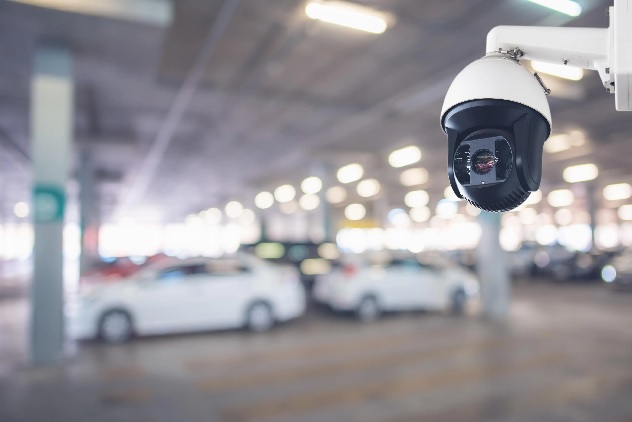
Maintaining a secure parking environment starts with a proactive approach to monitoring. Implementing parking lot security cameras is a foundational step for any business seeking to mitigate risk and protect its assets. By establishing a constant visual presence, managers can effectively discourage illicit activities before they gain momentum. We often advise clients that integrating a vital safety component into their daily operations provides a substantial deterrent to those who might otherwise target unattended vehicles.
Reducing vandalism and property damage
Visible surveillance equipment serves as an immediate warning to anyone considering destructive behavior on your premises. When individuals know that their actions are being captured, the likelihood of senseless vandalism drops significantly, as the accountability becomes clear and unavoidable. Frequent visual checks allow facility leaders to intervene quickly if they notice suspicious groups gathering, ensuring that property remains untouched.
Here are a few ways that visible monitoring helps protect your physical assets:
- Discourages unauthorized graffiti or property defacement during off-peak hours.
- Provides immediate awareness of environmental hazards or equipment damage that requires maintenance.
- Deters loitering by establishing a clearly monitored professional environment.
- Facilitates faster incident reporting for internal security teams to protect fragile surfaces.
Beyond simply preventing damage, having a recorded history of the area allows you to track recurring patterns, which is a key part of our firm’s data-driven site analytics for facility safety.
Preventing vehicle theft and break-ins
Vehicle break-ins are often opportunistic crimes that exploit the perception of vulnerability in unattended spaces. By deploying high-definition cameras throughout your lot, you remove the anonymity that thieves rely on to pull off vehicle thefts. These systems ensure that every arrival and departure is logged, significantly increasing the likelihood of identifying individuals operating with malicious intent.
Creating a psychological barrier for potential offenders
Humans behave differently when they believe they are being watched by an objective third party, and this is a core principle in security design. Beyond the mechanical functions of the hardware, the sheer presence of cameras influences people to act more cautiously and respectfully while on your property. This subtle psychological shift is an essential part of our team’s strategic infrastructure planning when we help businesses secure their outdoor areas.
Enhancing liability protection
Operating a public or private parking facility entails a range of legal and financial responsibilities that cannot be ignored. Accidents are an unavoidable part of high-traffic environments, and having the right documentation often decides the outcome of potential litigation. By using high-quality visual records, you position your business to manage these risks effectively while ensuring you are treated fairly in disagreements.
Providing evidence for accident and injury claims
Visual documentation provides an objective account of what actually transpired during a collision or a slip-and-fall event. Without this, your business is left relying on potentially biased verbal accounts, which can be disastrous during insurance investigations. Clear video footage serves as the ultimate source of truth, removing the ambiguity that often plagues injury claims.
The following table outlines how different documentation methods support your business outcomes during a potential liability claim:
| Documentation Type | Primary Benefit | Legal Utility |
| Full Motion Video | Verifies incident timeline | High for contested claims |
| Still Frame Snapshots | Highlights specific damage | Useful for insurance proofs |
| Metadata Logs | Tracks exact entry times | Assists in internal auditing |
By ensuring these records are kept securely through a professional business CCTV installation, you protect your company from groundless litigation while supporting your legitimate insurance claims.
Reducing insurance premiums for business owners
Insurance providers favor businesses that take proactive measures to reduce potential risks. By providing proof that your premises are well-monitored, you are often in a stronger bargaining position to request lower premiums or favorable renewal terms over time. This financial benefit is a natural outcome when you treat site security as an investment rather than just an expense.
Managing disputes with clear visual documentation
When drivers dispute the cause of a fender-bender or a scratch sustained in your facility, emotions can run high. Having a recorded view of the parking aisle allows management to resolve these disputes locally without involving external legal counsel or police. This level of verification is a hallmark of our conversion-focused site oversight, which seeks to minimize operational distractions for business owners.
Supporting visitor and employee safety
Safety is not just about perimeter protection; it is also about ensuring that guests and team members feel comfortable when navigating your facility. When employees arrive for early shifts or leave late at night, they deserve an environment that is intentionally kept secure. Creating that sense of safety through technology is a tangible way to boost morale and foster long-term loyalty among your staff and customers.
Improving peace of mind during evening hours
Feeling safe in a parking environment changes the experience of visiting your business, especially during darker winter months. Proper surveillance gives your team the confidence that the walk to their vehicle is monitored, which naturally lowers stress and fosters a much more welcoming environment for everyone.
Monitoring high-traffic areas in real time
Busy times of day create congestion that can sometimes lead to minor crashes or confusion. Keeping a real-time monitor on high-traffic zones lets staff manage flow and ensure that everyone is moving orderly through the parking lanes. Directing attention to these hot spots prevents small issues from escalating into significant safety hazards.
Facilitating emergency response when incidents occur
When a true emergency strikes, time is the most valuable resource you have for ensuring a positive outcome. Having a central security hub that monitors the lot allows your designated safety team to alert local responders immediately when issues arise. Fast, accurate data from your security system ensures that emergency services understand the scene before they even arrive on-site.
Optimizing operational efficiency
Security systems are often capable of doing much more than just recording crime; they provide operational insights that help you manage your lot better. If you are struggling with parking volume or bottlenecks during peak hours, the data captured by these systems can reveal how your customers use your space. This approach allows for adjustments that improve the customer experience while reducing wasted maintenance efforts.
Using analytics for traffic pattern analysis
Understanding which parts of your lot reach capacity first gives you the tools to manage your parking flow with precision. By analyzing traffic, you can move away from guessing where congestion occurs and toward a model dictated by how your customers actually navigate the facility.
Managing parking capacity and flow effectively
Traffic flow is rarely consistent throughout the day, and being able to spot an issue immediately helps you divert drivers to open zones. Efficiency is gained when you provide clear directions and have an automated or manual way to spot when a lane needs to be closed for maintenance or opened to mitigate heavy crowds.
Streamlining maintenance and facility oversight
Facilities often become cluttered or damaged without anyone noticing for days, leading to a degraded appearance that might drive customers away. Through routine camera reviews, maintenance teams can identify tasks much more quickly, responding to broken signs or debris before they affect your brand reputation.
Choosing the right technology
Not every system works the same way, and choosing hardware that aligns with your specific facility needs is critical for long-term success. It is easy to get distracted by flashy features, but focusing on connectivity, storage quality, and lighting performance is the best way to ensure your security system actually meets the task. Your ultimate goal is a reliable system that operates whenever you need it, rather than one that requires constant troubleshooting.
Evaluating resolution and low-light capabilities
High-definition video resolution is mandatory if you need to identify license plates or facial features after an incident. Because many parking lots are dimmed after sunset, you must also prioritize low-light performance. Without adequate vision at night, standard cameras lose much of their utility just when you need them most.
Understanding the benefits of cloud-based storage
Storing footage in the cloud offers a level of redundancy that local hard drives simply cannot match. If your physical management office experiences a natural disaster or a physical break-in, cloud storage ensures that your evidence remains intact and accessible remotely. This security layer is a vital part of protecting your business continuity.
Comparing wired versus wireless installation options
Deciding between wired and wireless systems involves balancing the cost of infrastructure for initial business cctv installation versus the flexibility you want. Wired systems typically offer maximum stability and signal quality, whereas wireless options provide significant deployment ease in larger, open environments. We recommend testing your site signal early so you can choose the option that maintains the consistent connection you need for reliable security.
Best practices for strategic placement
Effective security is not just about the number of cameras you have, but about how you position them for optimal coverage. A well-designed site plan considers the specific layout of your parking lot and the natural paths that visitors take while on foot or in their vehicles. Taking a thoughtful approach to placement eliminates blind spots and ensures you are capturing exactly what matters at the right moment.
Identifying blind spots and high-risk zones
Every parking lot has hidden corners, dumpsters, or pillars that naturally create blind spots that thieves naturally exploit. Walking the lot with a security professional helps you map these areas and ensures you focus your limited hardware budget on the most critical zones where coverage is truly necessary.
Focusing on entry and exit access points
Access points are arguably your most valuable locations for monitoring because every vehicle must pass through them. Placing high-definition cameras at your main gates or entry lanes ensures you always have a record of who is entering and leaving, which is essential for investigative purposes.
Maintaining compliance with privacy and local regulations
Security must always be balanced with the expectation of privacy for your guests and employees. Ensuring that your cameras do not film into private personal spaces, such as inside cars or into neighboring business windows, is legally and ethically mandatory. Staying compliant with local laws keeps your business safe from privacy-related lawsuits while maintaining a professional reputation.
Conclusion
Securing your business parking lot is an essential investment that pays dividends in theft prevention, liability protection, and daily operational efficiency. By selecting the right technology and strategically placing your systems, you enhance your team’s and customers’ safety while minimizing legal and financial risk. A well-managed security system is more than just a camera network; it is a core component of your facility’s long-term growth and reputation.
Frequently Asked Questions
How many security cameras are necessary for a small business parking lot?
The total number depends entirely on your property’s layout, your specific entry points, and the high-risk zones on your lot. We recommend conducting a site survey with a professional installer to map out exactly where coverage is required for maximum effectiveness.
Do parking lot security cameras help reduce catalytic converter theft?
Yes, active surveillance is a significant deterrent to these opportunistic crimes. If you position cameras to monitor high-risk parked vehicles and combine this with lighting, the likelihood of theft decreases as criminals move toward softer targets.
Can artificial intelligence features in cameras help with parking capacity?
Modern security systems with integrated analytics can automatically detect available spaces and even track how long cars have been in specific spots. This data provides a wealth of information for managing your daily capacity and improving total facility flow.
Are wireless parking lot cameras as reliable as wired systems?
Wireless technology has improved significantly, making it a viable solution for many businesses, though wired systems still provide unmatched signal stability for large-scale deployments. The right choice depends on your site’s physical infrastructure and the signal strength available throughout your lot.
How long should a business keep its security camera footage?
This duration depends on your local legal requirements and the amount of storage capacity you have available. A common recommendation is to maintain 30 to 90 days of recordings, which provides enough time to identify most incidents and export relevant clips for investigative use.
Do I need to post signs notifying people that they are being recorded?
It is both a best practice and a legal requirement in many jurisdictions to inform visitors that they are within a monitored area. Signage helps reinforce the psychological deterrent effect and ensures you remain in compliance with local privacy transparency laws.
Will installing security cameras lower my business insurance costs?
Many insurance providers recognize the risk reduction offered by professional surveillance equipment and may offer reduced annual premiums or discounts to businesses that maintain it. You should speak directly with your insurance representative to see if your current setup qualifies you for any proactive safety incentives.