Understanding the Value of Advanced Dog Education
Every dog can benefit from continued learning beyond basic obedience. While simple commands such as sit, stay, and come provide an excellent foundation, many owners choose to develop stronger communication, better behaviour, and greater reliability through structured learning. Professional advanced dog training focuses on improving a dog’s confidence, responsiveness, and ability to perform consistently in different environments. As dogs mature, they become capable of learning more complex behaviours that strengthen their relationship with their owners. Advanced programmes encourage mental stimulation while creating opportunities for long-term behavioural improvement. With patience and consistency, dogs can reach a much higher level of obedience and self-control.
Why Professional Training Makes a Difference
Teaching advanced skills requires more than repeating basic commands. Professional trainers understand canine learning patterns, behaviour, motivation, and communication techniques that support long-term success. A structured advanced dog training programme helps dogs learn more complex commands while maintaining accuracy and confidence. Experienced trainers carefully evaluate each dog’s personality, strengths, and learning style before creating customized lesson plans. This individual approach allows dogs to progress at a comfortable pace while developing dependable behaviour. Professional guidance also helps owners understand how to reinforce lessons effectively at home.
Building Strong Foundations Before Advanced Skills
Before progressing to higher-level exercises, dogs should have a reliable understanding of basic obedience commands. Consistency in simple behaviours creates the confidence needed for more challenging tasks. Dogs that respond reliably to basic instructions are better prepared for advanced learning experiences. Professional advanced dog training strengthens these existing skills while introducing more demanding exercises that improve focus and discipline. A strong foundation allows trainers to expand behavioural expectations without causing confusion. This gradual progression creates lasting learning outcomes and improves communication between dogs and their owners.
Improving Focus and Self-Control
Focus is one of the most important skills developed during advanced training. Dogs are naturally curious and can easily become distracted by new environments, people, or animals. Training exercises teach dogs to remain attentive even when distractions are present. Effective advanced dog training helps improve concentration by rewarding calm, controlled behaviour and encouraging consistent responses to commands. Increased focus makes everyday situations easier to manage and supports safer interactions in public settings. Dogs that learn self-control often display greater confidence and emotional stability.
Teaching Complex Commands and Behaviours
Advanced programmes introduce dogs to more detailed commands that require higher levels of understanding and coordination. These exercises may include extended stays, precise positioning, distance commands, off-lead control in safe environments, and advanced recall techniques. Professional advanced dog training gradually introduces these skills using positive reinforcement and structured practice sessions. Each lesson builds upon previous achievements to ensure that the dog understands every new behaviour before progressing further. Consistent repetition strengthens memory and improves reliability in different situations.
Strengthening Communication Between Dogs and Owners
Successful training depends on effective communication between the dog and its owner. Dogs respond best when instructions are clear, consistent, and supported by positive reinforcement. Professional trainers teach owners how to use body language, verbal cues, timing, and rewards effectively throughout the learning process. An organised advanced dog training programme focuses on educating both the dog and the owner equally. Improved communication reduces misunderstandings while strengthening trust and cooperation. A confident owner creates a more confident and responsive dog.
The Importance of Positive Reinforcement
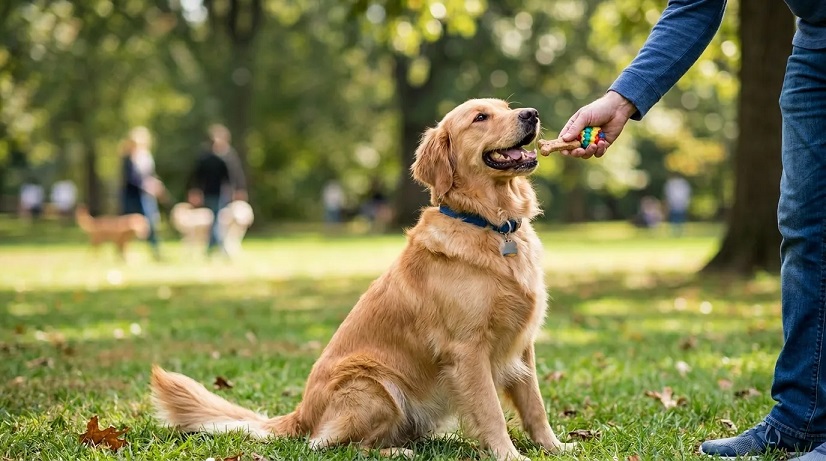
Modern training methods emphasise rewarding desired behaviours instead of relying on punishment or fear-based techniques. Positive reinforcement encourages dogs to repeat correct actions because they associate them with enjoyable outcomes. Rewards may include praise, toys, treats, or play depending on the dog’s motivation. Professional advanced dog training uses positive reinforcement consistently to build confidence while encouraging long-term behavioural success. This supportive approach improves learning speed and strengthens the relationship between dogs and their owners. Positive experiences make training enjoyable and productive.
Increasing Confidence Through Mental Challenges
Dogs enjoy learning new tasks that stimulate both their minds and bodies. Advanced exercises encourage problem-solving, concentration, and confidence by introducing gradually increasing levels of difficulty. As dogs successfully complete new challenges, they become more comfortable in unfamiliar situations and develop greater emotional stability. Professional advanced dog training provides structured mental stimulation that keeps dogs engaged while preventing boredom. Mental enrichment contributes to overall wellbeing and supports balanced behaviour. A confident dog is generally easier to manage and more willing to learn.
Managing Distractions Successfully
One of the greatest goals of advanced obedience is teaching dogs to remain focused regardless of environmental distractions. Busy surroundings, unfamiliar sounds, and other animals can challenge even well-behaved dogs. Professional trainers introduce distractions gradually while reinforcing calm and controlled responses. During advanced dog training, dogs learn to prioritise their owner’s commands instead of reacting impulsively to external stimuli. This improved focus increases reliability in everyday situations. Controlled exposure strengthens confidence while reducing unwanted behaviours.
Creating Consistent Daily Training Habits
Consistency plays a critical role in maintaining advanced skills over time. Dogs learn best through regular practice that reinforces previously mastered behaviours while introducing new challenges gradually. Owners should incorporate training into everyday routines rather than limiting practice to scheduled sessions. Professional trainers encourage short but frequent exercises that keep dogs engaged without causing frustration. A consistent routine helps dogs retain information and respond confidently to commands. Daily repetition creates dependable long-term results and strengthens behavioural reliability.
Supporting Behavioural Development Throughout Life
Learning does not stop after completing a formal training programme. Dogs continue developing throughout their lives and benefit from ongoing practice and enrichment. Regular reinforcement helps maintain advanced skills while preventing behavioural regression. Professional advanced dog training provides the foundation, but consistent owner involvement ensures lasting success. Continued learning keeps dogs mentally active and emotionally balanced. Lifelong training encourages adaptability and strengthens the partnership between dogs and their families.
Avoiding Common Training Mistakes
Many owners unintentionally slow progress by giving inconsistent commands, rewarding unwanted behaviour, or expecting immediate perfection. Professional guidance helps identify and correct these common mistakes before they become habits. Effective training requires patience, realistic expectations, and careful observation of the dog’s responses. Structured lessons encourage owners to reinforce positive behaviours consistently while avoiding unnecessary frustration. Understanding proper techniques creates smoother progress and improves long-term results. Small improvements achieved consistently often produce the strongest outcomes.
Choosing the Right Training Programme
Selecting an appropriate training programme is an important decision for every dog owner. Programmes should be tailored to the dog’s age, temperament, previous experience, and behavioural goals. Professional trainers assess these factors before creating personalised lesson plans that support gradual improvement. A well-designed programme balances obedience, confidence building, and mental stimulation while maintaining a positive learning environment. Individualised instruction ensures that every dog receives suitable guidance throughout the learning journey. Personalised training often leads to stronger and more reliable results.
Long-Term Benefits of Continued Learning
Advanced training provides benefits that extend far beyond learning new commands. Well-trained dogs often display improved confidence, stronger focus, better social behaviour, and enhanced communication with their owners. Consistent learning also supports emotional wellbeing by providing regular mental stimulation and positive experiences. Professional instruction encourages lasting habits that improve everyday life for both dogs and their families. The investment in continued education often produces lifelong rewards through safer, happier, and more dependable behaviour.
Creating a Positive Lifestyle Through Training
Training should become part of a dog’s daily lifestyle rather than a temporary activity. Short practice sessions, rewarding experiences, and consistent expectations help maintain skills naturally over time. Families who continue reinforcing learned behaviours create stable routines that encourage confidence and cooperation. Positive interactions strengthen trust while making everyday activities more enjoyable. A supportive environment complements formal instruction and encourages dogs to apply their skills consistently. This balanced approach promotes long-term behavioural success.
Conclusion
Professional advanced dog training provides an excellent opportunity to strengthen obedience, improve communication, and develop dependable behaviour through structured learning and positive reinforcement. By building on basic skills, encouraging consistent practice, and introducing increasingly challenging exercises, dogs gain confidence while becoming more responsive to their owners. Continued training also supports mental stimulation, emotional wellbeing, and lifelong learning. With patience, professional guidance, and daily reinforcement, owners can help their dogs achieve lasting success while building a stronger and more rewarding relationship together.