Understanding the Importance of Quality Flooring
Flooring plays a major role in defining the appearance, comfort, and functionality of any residential or commercial space. It is one of the largest visual elements in an interior, which means the right flooring choice can completely transform the atmosphere of a room. Whether the goal is to create a warm and inviting home environment, a professional workplace, or a durable commercial setting, selecting the appropriate materials and installation methods is essential. Many property owners focus heavily on furniture, wall colors, and decorations while overlooking the importance of a properly installed floor. However, flooring affects everything from daily comfort to long-term maintenance requirements.
A well-designed floor provides more than just an attractive surface. It improves safety, enhances insulation, supports furniture placement, and contributes to the overall value of a property. Different spaces require different flooring characteristics, which is why careful planning is necessary before beginning any installation project. A busy household may need a durable and easy-to-clean option, while a luxury interior may require premium materials that create a sophisticated appearance. Understanding the balance between design, performance, and budget allows property owners to make smarter decisions.
Professional installation is another important factor that determines the success of a flooring project. Even the highest-quality materials can fail to deliver the expected results if they are installed incorrectly. Uneven surfaces, improper measurements, poor preparation, and incorrect techniques can lead to visible defects and expensive repairs. This is why many homeowners and businesses choose to work with a flooring contractor who has the knowledge, experience, and equipment required to complete the project efficiently and accurately.
Choosing the Right Flooring Material for Your Space
The flooring industry offers a wide range of materials, each with unique advantages and characteristics. Hardwood flooring remains a popular option because of its natural beauty, durability, and timeless appeal. It can add warmth and elegance to living rooms, bedrooms, offices, and other interior areas. With proper care, hardwood floors can last for decades and may even increase the overall value of a property.
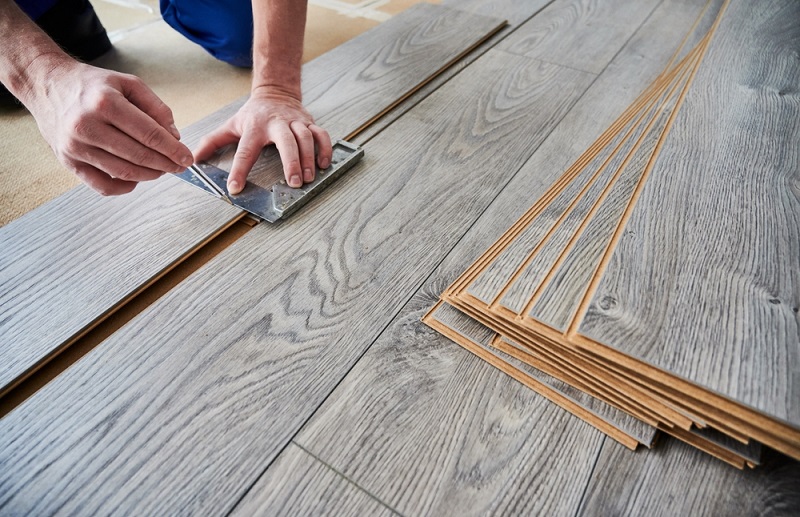
Laminate flooring is another widely used choice because it combines affordability with attractive designs. Modern laminate products can replicate the appearance of wood, stone, and other materials while offering resistance against scratches and everyday wear. This makes laminate suitable for families, rental properties, and areas where practical maintenance is a priority. It provides a cost-effective way to achieve a stylish look without requiring extensive upkeep.
Vinyl flooring has also gained popularity due to its versatility and durability. Available in various colors, textures, and patterns, vinyl can be designed to match nearly any interior style. It is especially useful in areas exposed to moisture because many vinyl options provide strong water resistance. Kitchens, bathrooms, and commercial spaces often benefit from this type of flooring because it combines appearance with functionality.
Tile flooring continues to be valued for its strength and long-lasting performance. Ceramic and porcelain tiles are available in countless designs, allowing property owners to create customized patterns and finishes. Tile is especially suitable for areas where durability and easy cleaning are important considerations. However, proper installation is necessary to prevent issues such as cracking, uneven surfaces, and loose sections.
Carpet flooring remains a preferred choice for those seeking comfort and warmth. It can reduce noise, provide a softer walking surface, and create a cozy atmosphere in bedrooms and living spaces. With many colors, textures, and styles available, carpet can complement various interior designs while improving comfort.
The Role of Professional Installation
Installing flooring requires more than placing materials on a surface. The process involves detailed preparation, accurate measurements, specialized tools, and knowledge of different installation methods. A professional understands how to evaluate the condition of the subfloor, identify potential problems, and recommend suitable solutions before installation begins.
Preparation is one of the most important steps in achieving a successful flooring result. The existing surface must be inspected carefully to ensure it is clean, level, and structurally sound. Any moisture problems, cracks, or uneven areas need to be addressed before new flooring is installed. Ignoring these issues can reduce the lifespan of the flooring and create problems shortly after completion.
A skilled installer also understands how different materials respond to environmental conditions. Temperature, humidity, and room usage can influence how flooring expands, contracts, or settles over time. Proper installation techniques help prevent gaps, warping, and other issues that may affect both appearance and performance.
Working with an experienced flooring contractor can also save time and reduce unnecessary expenses. Professionals can complete projects more efficiently because they understand the correct procedures and have access to the right equipment. Their expertise helps prevent common mistakes that could result in material waste or additional repair costs.
Factors to Consider Before Starting a Flooring Project
Before choosing a flooring option, property owners should consider several important factors. The first consideration is the purpose of the space. A high-traffic area requires materials that can handle frequent use, while decorative areas may allow for more design-focused choices. Understanding how the room will be used helps determine the most suitable flooring solution.
Budget is another major factor. Flooring costs vary depending on material quality, installation complexity, and project size. A realistic budget should include not only the cost of materials but also preparation work, labor, and potential additional expenses. Choosing the cheapest option may not always provide the best long-term value, as lower-quality materials may require replacement sooner.
Maintenance requirements should also influence the decision-making process. Some flooring types require regular cleaning, refinishing, or special care, while others are easier to maintain. Property owners should choose materials that match their lifestyle and willingness to perform ongoing maintenance.
Design preferences are equally important. Flooring should complement existing interior elements such as furniture, lighting, wall colors, and architectural features. A carefully selected floor can create visual balance and improve the overall appearance of the space.
Common Mistakes to Avoid During Flooring Installation
Many flooring problems occur because of poor planning or incorrect installation practices. One common mistake is failing to prepare the subfloor properly. Installing new materials over an uneven or damaged surface can cause long-term issues that affect both appearance and durability.
Another mistake is choosing flooring based only on appearance. While aesthetics are important, practical considerations such as durability, cleaning requirements, and environmental conditions should also be evaluated. A beautiful material that does not suit the needs of the space may become frustrating over time.
Incorrect measurements can also create unnecessary complications. Ordering too little material may delay the project, while ordering too much can increase costs. Accurate planning helps ensure the right amount of material is available before installation begins.
Attempting complex installations without professional knowledge can lead to expensive mistakes. Some flooring projects require specialized techniques that are difficult for inexperienced individuals to complete successfully. Hiring a qualified flooring contractor can help ensure that the installation process follows industry standards and delivers reliable results.
Maintaining Flooring for Long-Term Performance
Proper maintenance is essential for preserving the beauty and functionality of flooring. Each material requires different care methods, so understanding the manufacturer’s recommendations is important. Regular cleaning helps prevent dirt, dust, and debris from causing damage over time.
Protective measures can also extend the life of flooring. Using rugs in high-traffic areas, placing protective pads under furniture, and addressing spills quickly can reduce wear and prevent stains. Small maintenance efforts often make a significant difference in the long-term condition of the floor.
Professional inspections and occasional maintenance services may also be beneficial, especially for large properties or heavily used spaces. Addressing minor issues early can prevent more serious damage and reduce future repair expenses.
Improving Property Value Through Better Flooring Choices
Flooring improvements can have a noticeable impact on property value. Potential buyers and visitors often pay attention to the condition of floors because they influence the overall impression of a space. Clean, attractive, and professionally installed flooring creates a sense of quality and care.
Modern flooring options allow property owners to improve both appearance and functionality. A well-planned flooring upgrade can make rooms feel larger, brighter, and more comfortable. It can also enhance the overall design consistency of a property by creating a connected and polished look throughout different areas.
Investing in a quality flooring contractor is not only about immediate visual improvement. Durable materials and proper installation provide long-term benefits by reducing maintenance concerns and improving daily living experiences. A carefully completed project becomes a valuable feature that continues to provide advantages for many years.
Final Thoughts on Creating the Perfect Flooring Solution
Flooring is a major investment that requires thoughtful planning, quality materials, and professional execution. From selecting the right material to preparing the surface and completing the installation process, every stage contributes to the final outcome. A successful flooring project combines style, durability, comfort, and practicality to create a space that meets both current and future needs.
The right approach begins with understanding the requirements of the property and choosing solutions that fit the environment. Researching materials, considering maintenance needs, and focusing on professional workmanship can help avoid common problems and ensure lasting satisfaction.
A trusted flooring contractor can provide valuable guidance throughout the process, helping property owners achieve a finished result that enhances their space and delivers dependable performance. With careful planning and expert support, a flooring upgrade can become one of the most rewarding improvements made to any property.