Introduction to Managing Ant Problems Effectively
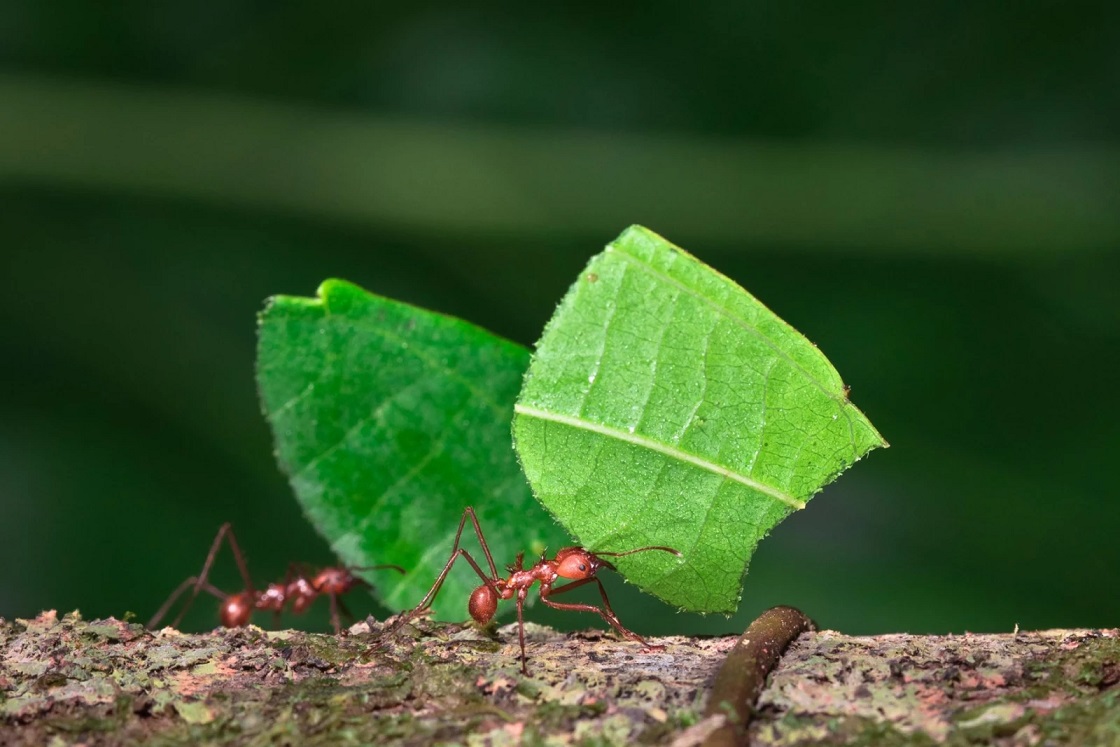
Ants are among the most common pests that can appear in homes, offices, gardens, and commercial properties. Although many ant species are harmless, their presence can become a major nuisance when they enter indoor spaces in large numbers. Ants often search for food, water, and shelter, which makes kitchens, storage areas, and damp spaces common targets. A small ant problem can quickly become more difficult to manage if the source of the infestation is not identified. Understanding ant behavior, recognizing early warning signs, and applying effective prevention methods are essential for maintaining a cleaner and more comfortable environment.
Why Ant Prevention Is Important
Preventing ant infestations is an important part of maintaining a healthy and organized property. Ants can contaminate food, create visible trails, and become difficult to remove once they establish colonies. They are often attracted to easily available food sources, moisture, and small entry points around buildings. Keeping areas clean, storing food properly, and reducing access points can help lower the chances of ant activity. A proactive approach is more effective than waiting until an infestation becomes severe. Proper prevention helps protect property conditions and reduces the stress caused by recurring pest problems.
Understanding the Causes of Ant Infestations
Several factors can contribute to increased ant activity around a property. Food crumbs, spills, exposed food containers, and waste materials can attract ants looking for nourishment. Moisture from leaks, poor drainage, or damp areas can also create suitable conditions for certain ant species. Cracks in walls, gaps around windows, and openings near doors provide easy entry routes. Outdoor factors such as vegetation, soil conditions, and nearby colonies may also influence ant activity. Understanding these causes helps property owners take targeted steps to reduce attraction and prevent infestations.
Common Signs of an Ant Infestation
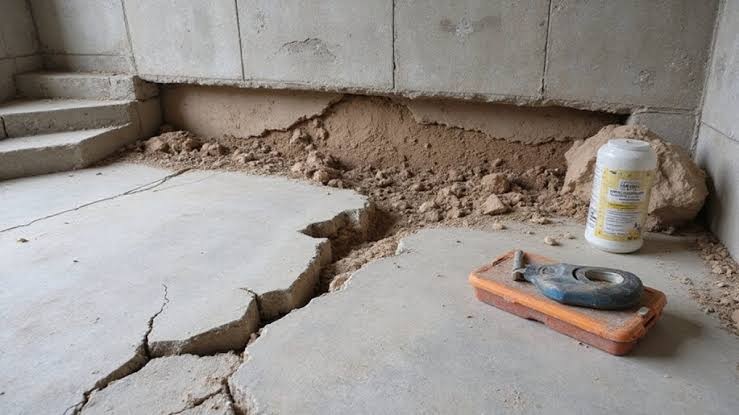
Recognizing the early signs of an ant problem can make treatment easier and more effective. One of the most noticeable signs is the appearance of ant trails, where groups of ants move along the same path in search of food or shelter. Small piles of soil, nests near structures, and repeated sightings in specific areas may also indicate colony activity. Ants are often found near kitchens, bathrooms, storage spaces, and areas with moisture. Identifying these signs early allows homeowners to take action before the infestation expands.
The Importance of Professional Ant Control Solutions
Professional pest management provides a more complete approach to dealing with ant problems. Experts understand different ant species, their behaviors, nesting patterns, and preferred environments. Instead of only removing visible ants, professionals focus on locating colonies and addressing the conditions that allow infestations to continue. A reliable ant control service helps reduce existing problems while creating strategies to prevent future activity. Experienced technicians use appropriate methods to manage infestations effectively and provide long-lasting results.
Benefits of Hiring Experienced Pest Specialists
Hiring experienced pest specialists offers several advantages compared with handling ant problems without professional support. Experts have the knowledge and equipment required to identify infestation sources and apply suitable treatment methods. They can inspect hidden areas where ants may be nesting and determine the best approach based on the severity of the problem. Professional assistance saves time and reduces the frustration of repeated unsuccessful attempts. A skilled pest management provider can deliver safer, more effective, and more reliable solutions.
Effective Techniques for Managing Ant Problems
Different ant infestations may require different management approaches depending on the species, location, and level of activity. Professional technicians often begin with a detailed inspection to identify entry points, trails, and nesting areas. Treatment methods may include targeted applications, preventive measures, and recommendations for improving property conditions. The goal is not only to remove visible ants but also to reduce the chances of future infestations. Effective management combines immediate solutions with long-term prevention strategies.
Reducing Factors That Attract Ants
One of the most important steps in preventing ant problems is reducing the conditions that attract them. Keeping kitchens and dining areas clean, removing food residue, and storing items in sealed containers can help minimize attraction. Regularly taking out waste and cleaning hidden areas can also reduce available food sources. Fixing leaks and reducing unnecessary moisture helps make the environment less suitable for ants. These simple steps support professional treatments and improve long-term pest prevention.
Why DIY Ant Removal May Not Always Be Effective
Many people try household methods to remove ants, but these solutions often provide only temporary results. Sprays and basic treatments may eliminate visible ants without addressing the colony itself. Since ants often hide in cracks, walls, and outdoor nesting areas, completely removing the problem can be challenging without proper knowledge. Professional technicians understand ant behavior and know where to focus treatment efforts. Expert solutions provide a more comprehensive approach compared with simply removing individual ants.
Choosing the Right Pest Management Provider
Selecting a reliable pest management provider is essential for achieving successful results. Property owners should consider factors such as experience, service quality, treatment methods, and customer satisfaction when making a choice. A trustworthy provider should inspect the property carefully, explain the problem clearly, and recommend appropriate solutions. Professional technicians should use suitable equipment and follow safe procedures during treatment. Choosing the right provider ensures that ant problems are handled effectively and reduces the likelihood of recurring infestations.
The Role of Cleaning and Property Maintenance
Regular cleaning and proper property maintenance play a major role in preventing ant activity. Clutter, food residue, and neglected areas can create favorable conditions for ants to establish colonies. Cleaning floors, wiping surfaces, organizing storage areas, and maintaining outdoor spaces can reduce potential attractants. Sealing cracks and repairing damaged areas also helps limit entry points. Good maintenance habits combined with professional support create a stronger defense against ant problems and improve overall property conditions.
Protecting Food and Storage Areas from Ants
Food storage areas require special attention because ants are often attracted to easily accessible food sources. Keeping food containers tightly sealed, cleaning spills quickly, and maintaining proper kitchen hygiene can reduce attraction. Pantry shelves, cabinets, and storage areas should be checked regularly for signs of activity. Professional prevention methods can provide additional protection when ant problems continue despite regular cleaning. Protecting food areas helps maintain better hygiene and reduces the risk of contamination.
The Connection Between Outdoor Areas and Indoor Ant Activity
Outdoor conditions can have a significant impact on indoor ant problems. Gardens, lawns, soil areas, and plant materials may provide nesting locations for ants. When colonies develop near structures, ants may eventually enter buildings in search of food and shelter. Maintaining outdoor areas, removing unnecessary debris, and monitoring potential nesting sites can help reduce indoor activity. Effective pest management considers both indoor and outdoor conditions to provide better long-term results.
Improving Comfort Through Effective Pest Management
A property affected by ants can become uncomfortable and frustrating for occupants. Visible trails, food contamination concerns, and repeated infestations can affect the overall experience of living or working in a space. Effective pest management helps restore comfort by reducing unwanted activity and improving property conditions. Professional solutions provide a structured approach to addressing ant problems while supporting a cleaner environment. Maintaining a pest-free space contributes to better comfort and peace of mind.
Long-Term Benefits of Professional Ant Management
Professional pest services provide advantages that extend beyond immediate ant removal. Experts help identify causes, reduce future risks, and provide recommendations for preventing recurring issues. Regular inspections and proper maintenance can help detect problems before they become severe. Professional ant control provides a dependable solution for managing infestations while protecting property conditions over time. Investing in expert assistance helps maintain a cleaner, safer, and more comfortable environment.
Preventive Strategies for Future Ant Problems
Prevention is one of the most effective ways to avoid recurring ant infestations. Simple steps such as maintaining cleanliness, sealing entry points, managing moisture, and removing outdoor attractants can make a significant difference. Regular property inspections help identify early warning signs and allow quick action. Professional advice can also help property owners understand specific risks and improve their prevention methods. A consistent preventive approach reduces the chances of future ant problems and supports long-term protection.
Final Thoughts on Effective Ant Management
Ant infestations can affect the cleanliness, comfort, and condition of any property, but effective management can help maintain a healthier environment. Understanding ant behavior, identifying causes, and applying proper prevention methods are essential steps in controlling these pests. Professional services provide the expertise needed to locate problems, apply suitable solutions, and reduce future risks. With the right combination of maintenance and expert support, property owners can achieve better protection and maintain a cleaner space through reliable ant control solutions.