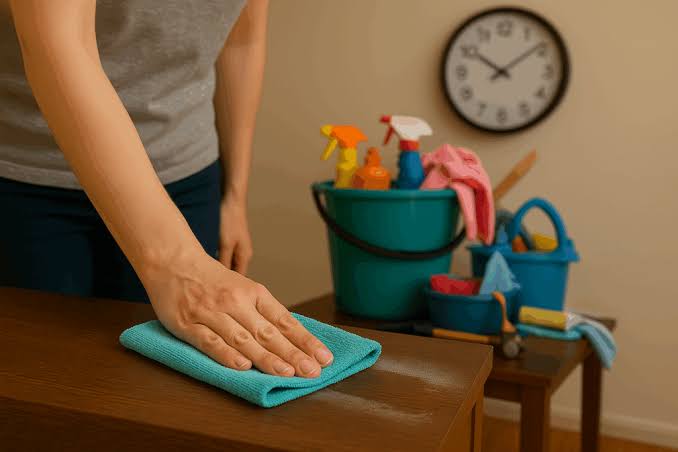
Two houses can have exactly the same square footage yet require completely different amounts of time to clean. At first glance, that may seem surprising because floor plans and room counts appear nearly identical. In reality, the amount of work involved depends far more on how a home is used than on how large it is.
Cleaning time is influenced by countless small factors that accumulate over weeks and months. Family routines, pets, storage habits, surface materials, and even furniture placement all determine how quickly dirt builds up and how difficult it becomes to remove. Size is only one piece of a much larger picture.
Recognizing these differences helps explain why some homes remain relatively easy to maintain while others demand far more attention despite occupying the same amount of space.
Daily Habits Shape Cleaning Workloads
Everyday routines have a lasting effect on how much cleaning is eventually required. Shoes worn indoors bring in grit and dust, cooking several meals each day increases grease buildup, and children or pets naturally create additional messes through normal activities.
None of these habits is necessarily problematic on its own. Together, however, they increase the number of surfaces that need regular attention and shorten the time between cleaning sessions.
A home that experiences heavier daily use simply accumulates residue faster than one with lighter occupancy.
Storage Can Either Help or Slow Everything Down
Well-organized homes are generally easier to clean because surfaces remain accessible. Shelves are easier to dust, countertops can be wiped without moving numerous items, and floors can be vacuumed without navigating around unnecessary obstacles.
Homes with crowded storage often require extra time before cleaning even begins. Decorative items, stacked belongings, and packed shelves create more edges where dust settles and more objects that must be moved during routine maintenance.
Reducing unnecessary clutter doesn’t eliminate cleaning, but it makes every task significantly more efficient.
Furniture Layout Makes a Difference
The arrangement of furniture changes how easily each room can be maintained. Wide walkways allow equipment to move freely, while tightly packed rooms create narrow spaces where dust and debris collect undisturbed.
Heavy furniture that rarely moves also creates hidden areas beneath and behind it. Over time, these locations become gathering points for lint, pet hair, and fine dust that remain untouched during ordinary cleaning sessions.
Occasionally adjusting furniture placement or reaching these concealed areas prevents buildup from becoming excessive.
Surface Materials Require Different Levels of Care
Not every material responds to dirt in the same way. Glossy finishes tend to highlight fingerprints, textured flooring traps fine debris, and natural stone often requires more careful maintenance than synthetic alternatives.
Glass, stainless steel, and dark-colored surfaces also reveal streaks and dust much sooner than lighter finishes. As a result, two similar homes may require very different amounts of detailed work simply because of the materials chosen throughout the interior.
Understanding those differences allows homeowners to create cleaning routines that better match the needs of each surface.
Pets Multiply the Number of Cleaning Tasks
Pets contribute much more than visible hair on the floor. Fur settles beneath furniture, nose prints appear on glass doors, food particles collect around feeding stations, and outdoor debris enters the home after every walk.
These additional cleaning needs often develop gradually enough that homeowners simply adapt to them. Over time, however, they significantly increase the amount of work required to keep the home looking its best.
For busy households, scheduling cleaning services nj at regular intervals can help manage these ongoing demands before they become overwhelming.
Deferred Maintenance Adds Time Every Week
Skipping small cleaning jobs rarely saves time in the long run. Soap residue hardens, grease thickens, and dust settles into places where it becomes increasingly difficult to remove. Tasks that might have taken a few minutes eventually require much more effort.
This gradual buildup explains why two similar homes can demand very different cleaning schedules. One receives consistent attention, while the other accumulates weeks or months of overlooked maintenance.
The difference becomes especially noticeable in kitchens, bathrooms, and high-traffic living areas where residue develops most quickly.
Consistency Keeps Cleaning Manageable
The easiest homes to maintain are not necessarily the cleanest ones today. They are the homes where small tasks are completed before they develop into larger projects. Regular attention prevents dirt from becoming deeply established and keeps every room easier to care for.
CJM Cleaning often emphasizes that an effective cleaning routine should reflect how a household actually lives rather than following a rigid schedule. When maintenance matches daily habits, homeowners spend less time correcting accumulated problems and more time preserving the condition of their homes.
Conclusion
The amount of time required to clean a home depends on much more than its size. Lifestyle, furniture arrangement, storage habits, surface materials, and routine maintenance all influence how quickly dirt accumulates and how difficult it becomes to remove.
Looking beyond square footage provides a better understanding of why some homes remain simple to maintain while others require considerably more effort. Building cleaning habits around the way a home is actually used leads to more efficient maintenance and better long-term results.