Introduction
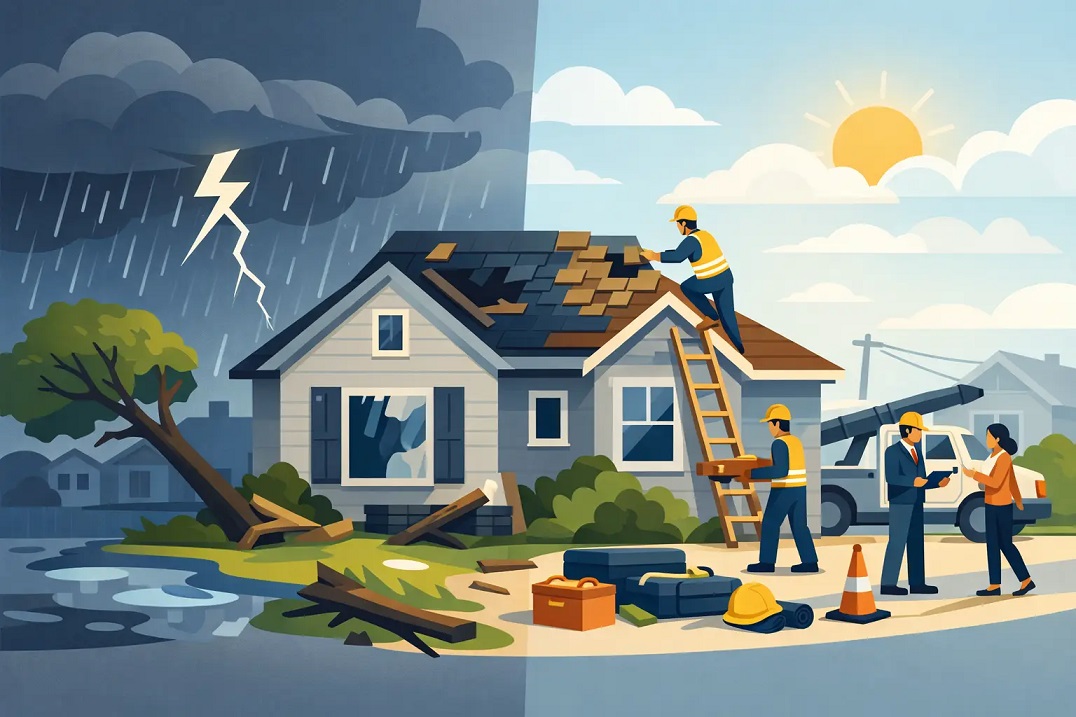
Severe weather can strike with little warning, leaving homes exposed to significant structural damage in just a matter of minutes. High winds, heavy rain, hail, fallen trees, and flying debris all have the potential to damage roofing systems, siding, gutters, windows, and even the home’s foundation. While some damage is immediately visible, other problems remain hidden beneath the surface and gradually worsen if they are not addressed promptly. Water intrusion, weakened structural components, and mold growth often begin long before homeowners realize the full extent of the damage. This is why professional storm restoration is essential for protecting both the safety and long-term value of a property.
Professional restoration goes far beyond repairing visible damage. Experienced contractors conduct thorough inspections, identify hidden structural concerns, remove damaged materials, and restore every affected area using high-quality products and proven repair methods. The goal is not only to return the home to its original condition but also to improve its resilience against future storms. Investing in timely restoration helps homeowners avoid more extensive repairs while preserving the comfort, appearance, and durability of their property.
Understanding Storm Damage
Storms affect homes in many different ways depending on the severity of the weather and the condition of the property before the event. High winds can lift shingles, loosen flashing, damage siding, and break windows. Hail may create dents, cracks, and punctures that reduce the effectiveness of roofing materials, while heavy rainfall can expose weaknesses that allow water to enter attics, walls, and crawl spaces. Fallen tree limbs and wind-driven debris may also cause major structural damage that requires immediate professional attention.Even when damage appears minor, hidden problems often develop beneath roofing materials, insulation, and wall coverings. Moisture trapped inside these areas may eventually cause wood rot, mold growth, and deterioration of structural framing. Professional inspections are essential because they identify damage that cannot always be seen from ground level. Early detection allows repairs to begin before moisture spreads throughout the home and increases restoration costs.
Common Types of Storm Damage
Roofing systems are among the most vulnerable parts of any home during severe weather. Missing shingles, cracked roofing materials, damaged flashing, and punctures caused by debris all reduce the roof’s ability to protect the home from moisture. Water entering through even a small opening can damage insulation, ceilings, drywall, and electrical systems if left untreated.Siding is another area frequently affected by storms. Wind, hail, and debris can crack, loosen, or completely remove siding panels, exposing the home’s structural framing to moisture. Gutters and downspouts may become bent or detached, preventing rainwater from draining properly away from the home. Windows and doors can also sustain damage that allows water and outside air to enter, reducing energy efficiency while increasing the risk of additional interior damage.
Why Immediate Restoration Is Important
Delaying storm repairs often allows minor damage to become much more serious. A small roof leak can quickly lead to soaked insulation, stained ceilings, damaged flooring, and mold growth inside wall cavities. Moisture that remains trapped within structural materials weakens wood framing while creating conditions that encourage mildew and fungal growth. The longer repairs are postponed, the more extensive and expensive the restoration process often becomes.Prompt restoration also helps preserve the home’s structural stability. Damaged roofing systems continue deteriorating during future storms, while weakened siding and flashing allow additional moisture to penetrate the building envelope. Professional restoration addresses these concerns quickly, preventing secondary damage and restoring the home’s protective systems before further deterioration occurs.
The Professional Storm Restoration Process
Every successful restoration project begins with a comprehensive inspection. Experienced contractors carefully evaluate the roof, attic, siding, gutters, windows, foundation, and interior living spaces to determine the full extent of the storm damage. Rather than repairing only visible issues, professionals identify hidden moisture intrusion, weakened structural components, and potential safety hazards that require immediate attention.Once the inspection is complete, contractors create a detailed restoration plan based on the home’s specific needs. Temporary protective measures such as emergency roof tarping or water extraction may be completed first to prevent further damage while permanent repairs are scheduled. Damaged materials are then removed and replaced using high-quality products that restore both structural integrity and weather resistance. Every repair is performed according to professional standards to ensure long-term durability and reliable performance.
Roof Restoration After Storm Damage
The roof is typically the first area inspected after a severe storm because it absorbs the greatest impact from wind, rain, hail, and falling debris. Contractors examine shingles, flashing, roof decking, ventilation systems, and drainage components to identify both visible and hidden damage. Missing shingles are replaced, flashing is resealed, and damaged decking is repaired whenever necessary to restore the roof’s protective barrier.If the roofing system has sustained widespread damage, a complete replacement may provide the most effective long-term solution. Professional contractors use durable roofing materials designed to withstand harsh weather while improving the home’s overall energy efficiency and appearance. Proper roof restoration protects every other part of the home from future moisture intrusion.
Water Damage Restoration
Water damage is one of the most serious consequences of storm-related property damage because moisture spreads rapidly through building materials. Drywall, insulation, flooring, cabinetry, and wooden framing absorb water quickly, increasing the likelihood of structural deterioration if drying does not begin immediately.Professional water restoration includes moisture detection, water extraction, industrial drying equipment, and dehumidification systems that remove trapped moisture from affected materials. Specialized equipment allows restoration professionals to dry hidden spaces behind walls and beneath flooring, significantly reducing the risk of mold development while preserving as many structural components as possible.
Mold Prevention After Storm Damage
One of the greatest risks following a severe storm is mold growth. Mold can begin developing within a short period when moisture remains trapped inside walls, ceilings, insulation, or flooring. Even after standing water has been removed, hidden moisture may continue affecting structural materials if professional drying is not completed properly. Mold not only damages building materials but can also reduce indoor air quality and create unpleasant odors throughout the home.Professional restoration contractors use advanced moisture detection equipment to locate hidden damp areas that are not immediately visible. High-capacity air movers and commercial dehumidifiers remove excess moisture while specialized antimicrobial treatments help reduce the likelihood of mold development. Addressing moisture quickly protects the home’s structural components while creating a healthier indoor environment for everyone living inside.
Siding and Exterior Restoration
Storms frequently damage siding by cracking panels, loosening fasteners, or exposing the underlying structure to moisture. Even small openings in exterior cladding allow water to penetrate behind the siding, where it may damage insulation, wall framing, and interior finishes. Professional siding restoration restores both the appearance and weather resistance of the home.Contractors carefully inspect every section of the exterior before replacing damaged materials with matching products that maintain the home’s original design. Flashing around windows, doors, and roof intersections is also repaired or replaced to ensure proper waterproofing. Restoring the exterior envelope helps prevent future moisture intrusion while improving curb appeal and preserving long-term structural integrity.
Gutter and Drainage System Repairs
A properly functioning gutter system plays a critical role in protecting a home after storm damage. Gutters collect rainwater from the roof and direct it safely away from the foundation. Storms can bend, detach, or clog gutters with debris, reducing their ability to manage water effectively. Overflowing gutters allow water to collect around the foundation, increasing the risk of basement leaks, crawl space moisture, and soil erosion.Professional restoration includes inspecting gutters, downspouts, fascia boards, and drainage systems for storm-related damage. Damaged sections are repaired or replaced to restore proper water flow. Contractors may also recommend gutter guards or drainage improvements that reduce maintenance while improving the home’s overall protection against future storms.
Interior Repairs and Structural Restoration
Once the home’s exterior has been secured, attention shifts to repairing interior damage caused by water intrusion. Moisture-damaged drywall, insulation, flooring, trim, and ceilings are carefully removed and replaced using quality materials that restore the home’s appearance and structural integrity. If structural framing has been affected, contractors repair or reinforce weakened components before rebuilding finished surfaces.Electrical and plumbing systems are also inspected whenever water exposure has occurred to ensure they remain safe and fully operational. Professional restoration addresses every affected area rather than simply repairing visible damage, providing homeowners with confidence that hidden problems have been eliminated.
Insurance Claim Assistance
Navigating the insurance claim process after a storm can be overwhelming, especially when homeowners are already dealing with property damage and unexpected repairs. Experienced restoration contractors often assist homeowners by documenting damage thoroughly, preparing detailed inspection reports, and providing estimates that support the insurance claim.Accurate documentation helps demonstrate the full extent of the damage while reducing misunderstandings during the claims process. Contractors may also communicate directly with insurance adjusters to explain necessary repairs and ensure that all affected areas are properly evaluated. This assistance helps streamline restoration while allowing homeowners to focus on returning their property to normal.
Preventing Future Storm Damage
Although storms cannot be prevented, homeowners can take proactive steps to reduce the likelihood of serious damage during future weather events. Regular roof inspections help identify loose shingles, deteriorated flashing, and worn roofing materials before severe weather exposes these weaknesses. Keeping gutters clean ensures rainwater drains efficiently away from the roof and foundation.Tree branches hanging over the roof should be trimmed to reduce the risk of impact damage from falling limbs. Windows and doors should be inspected regularly to verify that weather seals remain intact, while siding and exterior finishes should be maintained to prevent moisture intrusion. Routine maintenance significantly improves the home’s ability to withstand future storms while minimizing repair costs.
Choosing the Right Storm Restoration Contractor
Selecting a qualified restoration contractor is one of the most important decisions homeowners make after experiencing storm damage. Experienced professionals begin with a detailed inspection and provide customized restoration plans based on the home’s specific needs. They use high-quality materials, advanced restoration equipment, and proven repair techniques to restore both structural strength and long-term durability.
Homeowners should choose contractors with extensive experience, positive customer reviews, dependable workmanship warranties, and transparent communication throughout the restoration process. Companies that specialize in complete restoration services can manage roofing, siding, water damage, structural repairs, and moisture control under one project, simplifying the recovery process while ensuring consistent quality.
Long-Term Benefits of Professional Storm Restoration
Investing in professional storm restoration provides lasting benefits that extend far beyond repairing immediate damage. A fully restored home offers stronger structural protection, improved energy efficiency, healthier indoor air quality, and greater resistance to future weather events. Professional repairs also help preserve property value by ensuring that damage has been corrected using industry-approved methods and durable materials.
Many homeowners discover that restoration projects provide an opportunity to upgrade aging materials with newer products that offer improved performance and longer service life. These improvements contribute to greater comfort, lower maintenance requirements, and increased confidence that the home is prepared for future storms.
Conclusion
Severe weather can affect nearly every part of a home, from the roofing system and siding to interior finishes and structural components. While visible damage often receives immediate attention, hidden moisture and structural problems can continue developing long after the storm has passed. Professional storm restoration addresses every aspect of the recovery process, including inspections, emergency protection, water removal, structural repairs, mold prevention, exterior restoration, and long-term moisture management.
Choosing professional storm restoration services allows homeowners to restore their property safely, efficiently, and with lasting results. Through expert workmanship, quality materials, and comprehensive restoration techniques, damaged homes can regain their strength, appearance, and durability while providing dependable protection for many years to come. Investing in timely restoration not only repairs storm damage but also protects the home’s long-term value and provides peace of mind for the future.