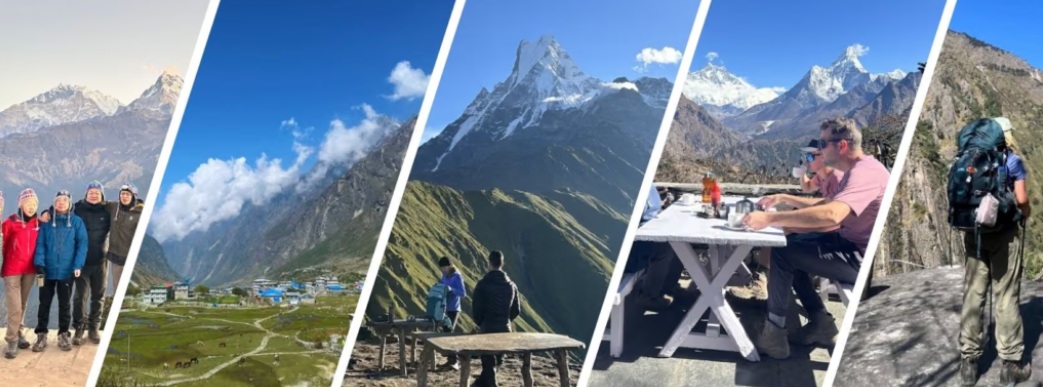
Nepal has more well-known trekking routes than most travelers can research in a single sitting, and that’s usually where the real difficulty starts. Choosing among the best treks in Nepal isn’t about finding the most photographed trail — it’s about matching a route to how much time you have, how your body handles altitude, and what kind of scenery and pace you actually want.
This article compares five major trekking options side by side rather than simply listing Nepal’s most famous trails. You’ll come away with a clearer sense of which route fits your priorities: the iconic Everest experience, a shorter Himalayan trip, classic high-mountain scenery, deeper cultural immersion, or a quieter, more remote circuit.
The five routes covered here are the Everest Base Camp Trek, the Everest Base Camp heli return trek, the Annapurna Circuit Trek, the Manaslu Circuit Trek, and the Langtang Valley Trek. Each has a distinct character, even though they’re often grouped together in the same “top treks in Nepal” lists.
Popularity alone is a poor filter — a trail can be famous and still be the wrong fit for a particular traveler. A more useful approach weighs duration, altitude, difficulty, scenery, cultural exposure, remoteness, and logistics together. With that in mind, here’s how these five routes actually compare.
Best Treks in Nepal at a Glance
Before going into detail, here’s how these treks stack up on the factors that matter most when planning a trip.
| Trek | Best For | Trek Character | Difficulty | Typical Time* | Main Appeal |
| Everest Base Camp Trek | First-time Himalayan trekkers seeking Everest | Classic teahouse route | Moderate to challenging | ~2 weeks | Everest and Khumbu |
| Everest Base Camp heli return trek | Limited-time travelers | Trek + helicopter return | Moderate to challenging | Shorter overall trip | Trekking experience with faster return |
| Annapurna Circuit Trek | Variety and changing landscapes | Long-distance circuit | Moderate to challenging | ~2 weeks or more | Mountain, valley and cultural diversity |
| Manaslu Circuit Trek | Remote trekking | Restricted-area circuit | Challenging | ~2 weeks or more | Remoteness and high-pass terrain |
| Langtang Valley Trek | Shorter Himalayan adventure | Valley-based teahouse trek | Moderate | ~1 week or more | Accessibility and mountain culture |
*Durations are approximate and depend on the itinerary, acclimatization days, transportation, and trail conditions at the time of travel.
None of these routes is a universal winner. Each was built around a different valley, a different mountain, and a different pace of travel — which is exactly why the right approach is to match the trek to the traveler rather than rank them purely by popularity.
How to Choose the Right Trek in Nepal
Time Available
A week-long trek feels very different from a circuit running two weeks or longer. Shorter routes compress the walking days but still need time built in for the body to adjust to altitude. Longer circuits allow a more gradual ascent, which usually makes acclimatization more comfortable. Compressing a high-altitude route into fewer days than it’s designed for can undermine both safety and enjoyment.
Fitness and Altitude
General walking fitness isn’t the same as walking five to seven hours a day on uneven terrain with significant elevation change. Altitude is a separate variable from fitness: even fit trekkers can experience altitude symptoms, while less athletic trekkers who ascend gradually and stay hydrated often do fine.
Scenery and Landscape
Everest’s Khumbu region offers a high-mountain environment dominated by some of the world’s tallest peaks. Annapurna shifts from subtropical terrain to high alpine desert. Manaslu moves through remote valleys with fewer settlements. Langtang offers a compact mountain setting reached quickly from Kathmandu.
Remoteness and Infrastructure
Teahouse density, road access, and trail development shape the experience. A well-established route with frequent lodges feels very different from one where villages are spaced further apart and services are more basic.
Trekking Style
Some travelers want the established infrastructure of a classic route; others prefer a quieter trail with fewer trekkers. Neither is right or wrong — it just changes which trek fits best.
Everest Base Camp Trek — The Classic Choice for First-Time Himalayan Trekkers
The Everest Base Camp Trek is the route most people picture when they think of Himalayan trekking, and its importance goes beyond fame. It’s the most direct way to walk through the Khumbu region toward the base of the world’s highest mountain, passing through Sherpa villages, monasteries, and landscapes that shift from forested lower valleys to stark high-altitude terrain.
The route typically begins with a flight to Lukla, then moves through Phakding and Namche Bazaar, the region’s main acclimatization hub, before continuing through higher villages like Tengboche, Dingboche, and Lobuche to Everest Base Camp itself. Acclimatization days are a core part of any responsible itinerary, not an optional extra, given the substantial elevation gain.
The trek’s appeal isn’t only reaching Base Camp — it’s the gradual immersion into Sherpa culture, the monasteries along the way, and the visual transition from green hillsides to glacier-carved terrain. Physically, it demands sustained daily walking and a body that’s had time to adjust to thinner air. Some itineraries add a side trip to Kala Patthar, a viewpoint above Gorak Shep offering wider Everest panoramas than Base Camp itself. Anyone planning this route should research a detailed Everest Base Camp itinerary and the Everest trekking permits required.
Everest Base Camp Heli Return Trek — A Practical Option for Limited Time
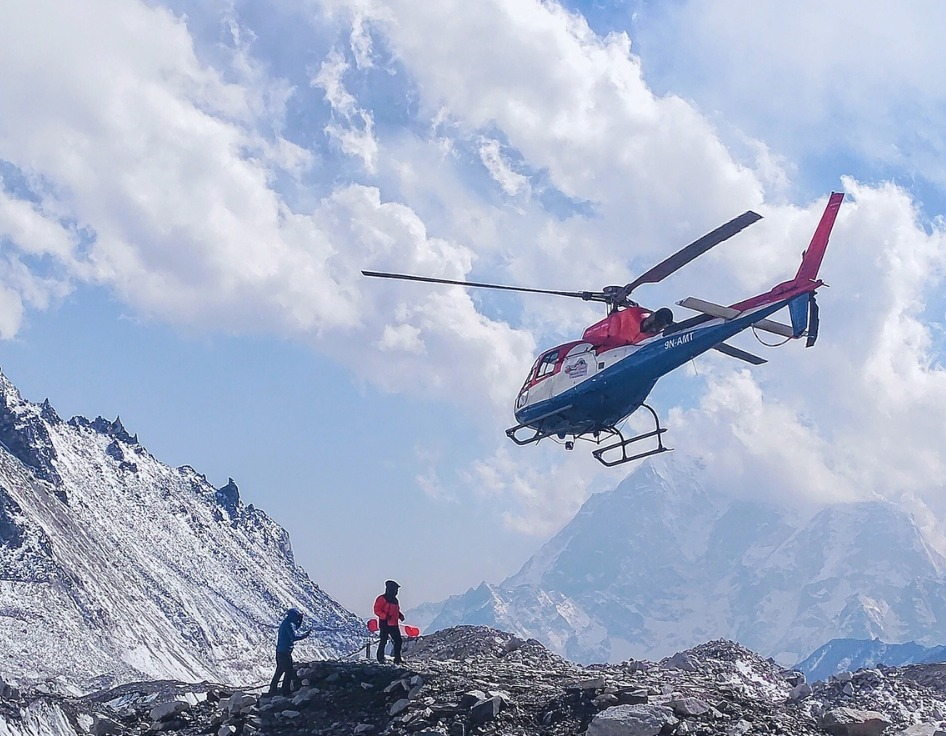
The Everest Base Camp heli return trek follows largely the same route into the Khumbu, but changes the return journey: instead of walking back down to Lukla, trekkers take a helicopter for part or all of the return leg. This appeals to travelers with limited vacation time or those who’d rather skip repeating the descent on foot.
The trek in — including the altitude gain, acclimatization requirements, and physical demands of consecutive walking days — remains essentially unchanged from the standard route. Only the return is different, and helicopter use depends on weather, aviation regulations, and operational availability, so flights aren’t guaranteed to run exactly as planned.
It’s more accurate to think of this as a time-saving format than an easier Everest experience. Anyone comparing options should look into a detailed Everest Base Camp helicopter trek itinerary or the specific EBC heli return itinerary to understand how the walking and flying segments fit together.
Annapurna Circuit Trek — The Best Choice for Landscape Variety
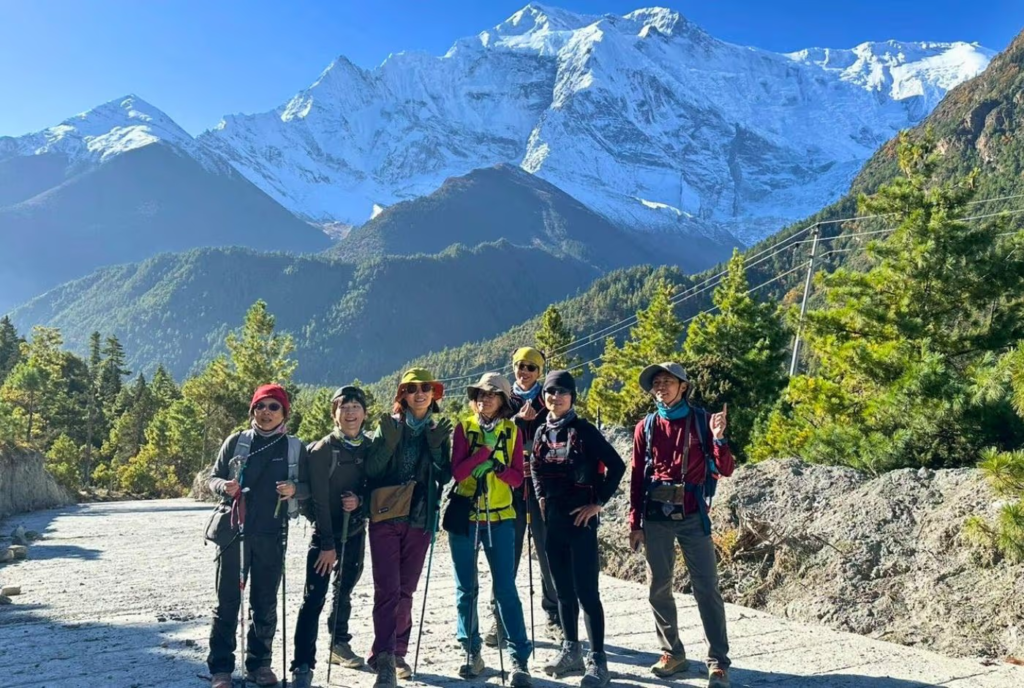
The Annapurna Circuit Trek is known for the sheer range of terrain it covers. Rather than following one valley toward a single destination, the circuit moves through lower agricultural settlements, forested mid-hills, and increasingly alpine landscapes as it climbs toward Thorong La Pass, one of the highest trekking passes in Nepal.
Trekkers pass through areas shaped by different communities, including Gurung and Manangi villages, giving the route a cultural range that matches its geographic variety. Crossing the high pass is typically the most demanding single day of the circuit.
Road development has changed sections of the traditional route, and some trekkers now combine walking with vehicle transport on certain stretches. Compared to Everest, Annapurna appeals more to travelers who want a broader sense of moving through changing environments rather than focusing on one destination. As with any high-altitude route, gradual elevation gain and adequate acclimatization matter here just as much. Travelers should look into the full Annapurna Circuit route, the logistics of Thorong La Pass, and a sample Annapurna trekking itinerary before finalizing plans.
Manaslu Circuit Trek — For Trekkers Seeking More Remoteness
The Manaslu Circuit Trek circles Mount Manaslu, the eighth-highest peak in the world, through a region with noticeably fewer trekkers than Everest or Annapurna. That relative quiet is the trek’s defining trait — villages are more traditional, trails less developed, and the trip feels less structured around large-scale tourism infrastructure.
Because it’s a restricted area, trekkers need specific permits and, in most cases, a licensed guide — an extra planning step mainstream routes don’t require. The trail combines dense forest, terraced hillsides, and high alpine terrain as it approaches Larkya La Pass, the trek’s most demanding section and one of the highest points most trekkers will cross in Nepal.
Expect this route to be more logistically involved than Everest Base Camp or Langtang. Since regulations and permit costs can change, verify current requirements directly before departure. Manaslu suits trekkers who want a quieter trail, deeper exposure to traditional village life, and a stronger sense of wilderness. Look into current Manaslu Circuit permits, a full Manaslu Circuit itinerary, and the demands of Larkya La Pass.
Langtang Valley Trek — A Strong Choice for a Shorter Himalayan Trip
The Langtang Valley Trek suits travelers who want a genuine Himalayan experience without committing to a two-week-plus circuit. Its biggest practical advantage is accessibility: the trailhead is reachable by road from Kathmandu in a matter of hours, with no mountain flight required.
The trail moves through forested lower sections, small Tamang villages, and increasingly open alpine terrain before reaching Kyanjin Gompa, a monastery settlement that serves as the trek’s high point and main acclimatization base. The valley is relatively compact compared to Everest or Annapurna, which is part of why it fits a shorter travel window.
That shorter timeframe doesn’t mean the trek is undemanding — trekkers still gain meaningful elevation and need acclimatization days built in appropriately. Langtang offers strong exposure to Tamang culture and mountain scenery within a more condensed area. Review a sample Langtang Valley itinerary, details on Kyanjin Gompa, and current Langtang trekking permits before planning.
Best Trek in Nepal by Travel Goal
For a quick answer rather than a full comparison, this table summarizes which route fits which priority.
| If You Want… | Consider… | Why |
| The iconic Everest experience | Everest Base Camp Trek | Classic Khumbu trekking route |
| Trekking plus a faster return | Everest Base Camp heli return trek | Reduces return travel time |
| Maximum landscape variety | Annapurna Circuit Trek | Major changes in terrain and environment |
| A quieter, remote-feeling route | Manaslu Circuit Trek | Less mainstream trekking character |
| A shorter Himalayan experience | Langtang Valley Trek | Compact route with strong mountain scenery |
Personal priorities should decide the final choice more than any single “best” ranking. Two trekkers with the same fitness and the same number of vacation days might reasonably pick different routes depending on whether they value iconic status, variety, remoteness, or time efficiency more.
Best Time to Trek in Nepal
Season affects visibility, trail conditions, and — for the heli return option — flight reliability. Spring (roughly March to May) and autumn (roughly September to November) are generally the most favorable windows for most high-altitude routes, offering more stable weather and clearer mountain views.
Monsoon (roughly June to August) brings rain, cloud cover, and harder trail conditions, particularly at lower elevations. Winter (December to February) can offer clear skies but much colder temperatures and possible snow at higher passes, affecting routes like Annapurna’s Thorong La and Manaslu’s Larkya La more than lower-altitude treks like Langtang. Conditions vary by region and elevation, so match the season to the specific trek rather than treating Nepal as one climate zone.
Difficulty, Altitude, Permits and Preparation
Difficulty shouldn’t be judged by distance alone. Altitude gain, high passes, daily walking hours, and trail conditions all shape how demanding a route feels — a shorter trek with a steep daily elevation gain can be tougher than a longer one with a gentler ascent.
Permit requirements vary by region: Everest, Annapurna, Manaslu, and Langtang each fall under different rules, and Manaslu specifically requires restricted-area permits and a guide. Because fees and regulations change, verify current requirements shortly before departure.
Reasonable preparation includes progressive walking training beforehand, broken-in footwear, layered clothing, consistent hydration, altitude awareness, and travel insurance covering the altitude and activities of the chosen trek.
Cost and Logistics: What Travelers Should Budget For
Trekking costs generally fall into several categories: permits, transportation to and from the trailhead, teahouse accommodation, meals, guide and porter services where used, equipment, insurance, and — for routes like the heli return option — additional helicopter costs.
Costs vary significantly between independent arrangements and packages booked through an organized trekking company such as Escape Himalaya, since guided trips typically bundle permits, accommodation, and support staff together. The heli-return format carries added aviation-related costs and depends on weather and seasonal demand. Because fees and pricing change over time, confirm current figures with operators or official permit offices before booking.
Responsible Trekking and Safety Considerations
Responsible trekking matters everywhere in Nepal, but especially on quieter or more remote routes where rescue and transportation options are more limited than on heavily trafficked trails. Respecting local customs and cultural sites, minimizing waste, staying on designated trails, and using local lodges and services all support both the environment and the communities that depend on trekking tourism.
Preparing for altitude — through gradual ascent and attention to early symptoms — is a safety issue as much as a comfort one. Building flexibility into an itinerary also helps, since weather delays, flight cancellations, and trail conditions can shift plans on short notice.
Which of the Best Treks in Nepal Is Right for You?
There’s no single answer to which of the best treks in Nepal suits every traveler, but the priorities line up clearly enough. Choose the Everest Base Camp Trek for the classic, most recognized Himalayan journey. Consider the Everest Base Camp heli return trek if limited time is the main constraint but you still want the full trekking experience. Choose the Annapurna Circuit Trek for landscape and cultural variety. The Manaslu Circuit Trek fits travelers wanting a quieter, more demanding, remote route. And the Langtang Valley Trek works when a shorter but still genuine Himalayan experience is the priority. The right choice depends less on fame and more on which trek matches your time, fitness, and travel style.
Frequently Asked Questions
What are the best treks in Nepal for first-time trekkers?
The Everest Base Camp Trek and Langtang Valley Trek are generally more approachable, offering well-established teahouse infrastructure and clearer acclimatization schedules than more remote circuits.
Which is better, Everest Base Camp or Annapurna Circuit?
Neither is universally better — it depends on whether you prioritize Everest’s iconic status and altitude profile or Annapurna’s broader landscape and cultural variety.
Is the Everest Base Camp heli return trek worth considering?
Worth considering if return time is limited, since it shortens the overall trip while keeping the full trekking experience into the Khumbu intact.
Is the Manaslu Circuit Trek harder than the Langtang Valley Trek?
Generally yes — Manaslu is longer, more remote, and includes a demanding high-altitude pass, while Langtang is shorter with less extreme elevation gain.
What is the best season for trekking in Nepal?
Spring and autumn are typically the most favorable seasons overall, though exact conditions vary by region, elevation, and route.
How many days are needed for a Nepal trek?
It depends entirely on the route — Langtang can be completed in about a week, while circuits like Annapurna and Manaslu typically need two weeks or more, including acclimatization da