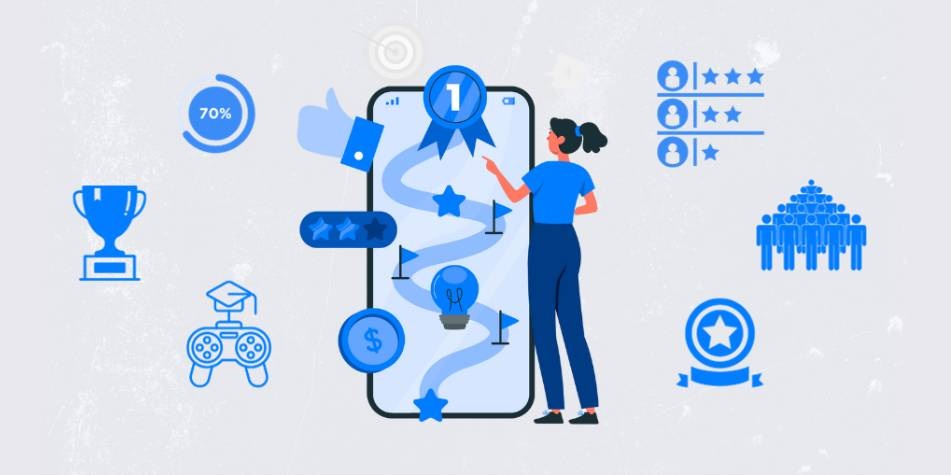
Gamification takes the psychology behind games and applies it to everyday tools that have nothing to do with entertainment. From fitness trackers to banking dashboards, product teams now weave points, streaks, and rewards into experiences that once felt purely functional. The goal is simple: make users want to come back, complete tasks, and feel a sense of progress. When done well, gamification turns routine interactions into habits. When done poorly, it feels gimmicky and drives people away.
Why Gamification Works on the Human Brain
The appeal of gamification is rooted in behavioral science rather than clever design alone. Humans are wired to respond to feedback loops, small wins, and visible progress toward a goal. Each reward triggers a release of dopamine, reinforcing the behavior that earned it. This is why a completed progress bar or an unlocked badge can feel disproportionately satisfying compared to the effort involved. Understanding these triggers is the first step toward using them responsibly.
Several core mechanics show up again and again across successful apps. They tap into motivation, competition, and the desire for mastery.
- Points and scores that quantify effort and give users a running measure of achievement.
- Streaks that reward consistency and create gentle pressure not to break the chain.
- Badges and achievements that mark milestones and add a collectible dimension.
- Leaderboards that introduce social comparison and friendly rivalry.
- Progress bars that visualize how close a user is to a meaningful goal.
Real Examples Across Different Industries
Gamification is no longer confined to a single niche; it has spread across sectors that value retention and engagement. Language learning platforms popularized daily streaks and experience points to keep learners returning every day. Fitness apps use step goals, achievement rings, and challenges to encourage movement. Even personal finance tools now reward users for saving consistently or hitting budget targets. These examples share a common thread: they attach emotion and momentum to actions that would otherwise feel like chores.
The table below highlights how different categories of apps apply gamification and what outcome they aim to influence.
| App Category | Common Mechanic | Behavior Targeted |
| Language learning | Daily streaks, XP | Consistent practice |
| Fitness | Goal rings, challenges | Physical activity |
| Finance | Savings milestones | Regular deposits |
| Productivity | Task points, levels | Task completion |
| E-commerce | Loyalty tiers | Repeat purchases |
Entertainment and iGaming platforms also lean heavily on progression systems, offering loyalty levels and rewards that encourage return visits, much like the account experience you find after a quick Hitnspin login. The same principles that keep a learner practicing verbs can keep a customer engaged with a rewards program.
Lessons for Building Effective Gamification
Copying mechanics without understanding intent is the most common mistake teams make. A leaderboard that motivates a competitive fitness community might discourage a casual user who simply wants to track sleep. The best gamification aligns rewards with the outcomes users genuinely care about, not vanity metrics. It also respects the user’s autonomy, avoiding manipulation that leads to burnout or resentment. Thoughtful design treats motivation as something to support, not exploit.
Before adding game elements, product teams should evaluate a few guiding principles that separate meaningful design from empty tricks.
- Tie rewards to real value, so achievements reflect progress users actually want.
- Keep goals attainable to avoid frustration while still offering a challenge.
- Respect different user types by making competitive features optional.
- Avoid dark patterns that pressure or trick people into unwanted actions.
- Measure the right outcomes, focusing on retention and satisfaction over clicks.
When Gamification Backfires
Not every app benefits from added game layers, and some suffer because of them. Overloading an interface with points and notifications can create anxiety instead of delight. Users quickly sense when a streak exists only to serve business metrics rather than their own goals. If the underlying product lacks value, no amount of badges will fix retention problems. Gamification amplifies a good experience, but it cannot rescue a weak one.
Balancing Motivation and Well-Being
Responsible design considers the long-term relationship between the app and its users. Features that encourage healthy habits, such as reasonable reminders and flexible streak recovery, tend to build trust. Systems that punish minor lapses or exploit compulsive tendencies erode goodwill over time. The strongest gamified products feel like a supportive coach rather than a demanding taskmaster.
Bringing These Ideas Into Your Own Product
Gamification succeeds when it enhances a purpose users already have, from learning a language to saving money or staying active. The mechanics themselves are simple, but their impact depends entirely on thoughtful, ethical implementation. Start small, test how real users respond, and refine based on genuine engagement rather than surface metrics. The most durable results come from patient iteration, honest feedback, and a steady focus on the value your product already delivers to people.