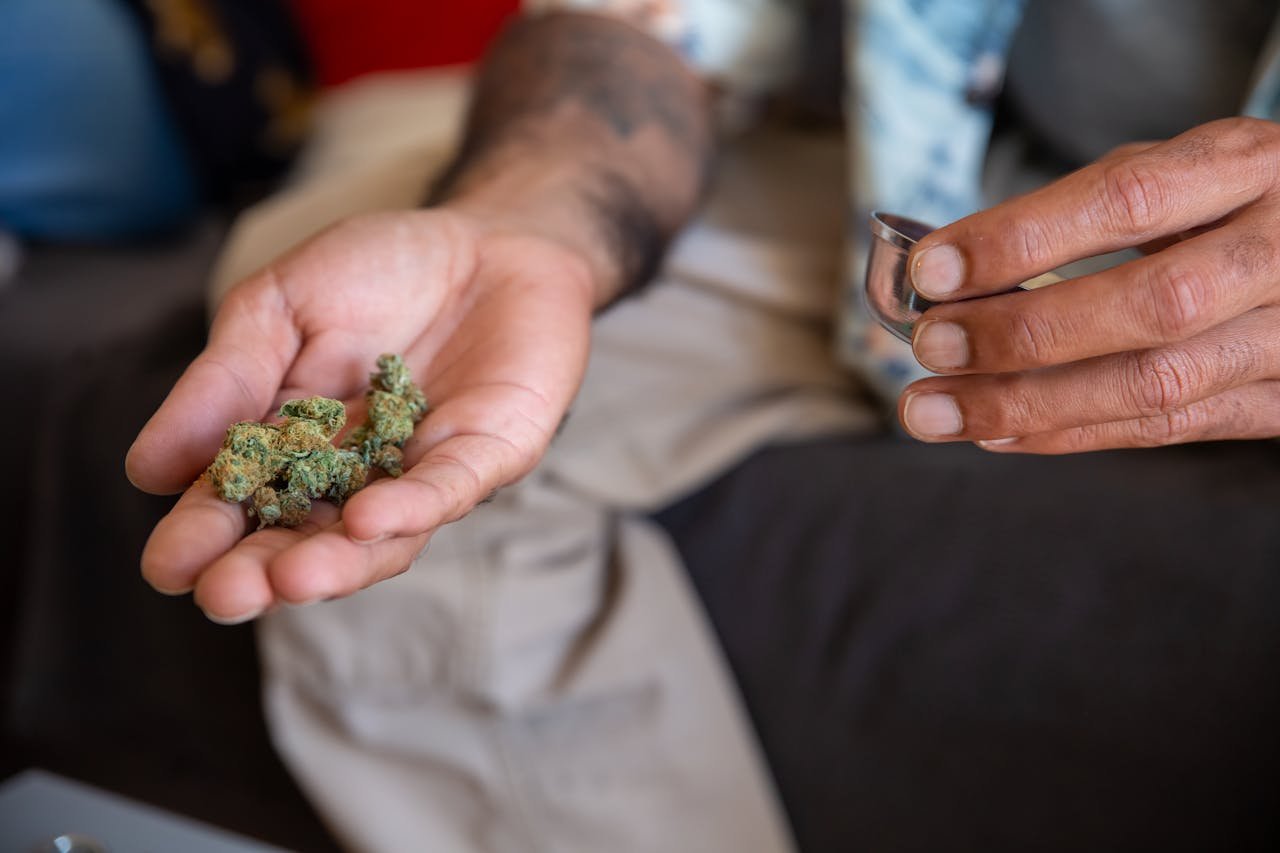
On a winter night, you can smell cannabis in a stairwell before you see anyone nearby. It feels normal in many places now. And yet, the risks still show up the same way. Most problems start with timing, dosing, or poor planning.
For believers who care about wisdom and self-control, the questions rarely stay abstract for long. People still need to get home safely, and they still need to show up clear-headed tomorrow. If you choose to buy online in Canada, including from Cheap Cannabis, the safer path starts before you take anything. It starts with boundaries, good info, and a plan you can live with.
Wisdom, Conscience, And Clear Boundaries
In many Christian circles, the conversation can turn sharp fast, even among friends. Some people treat gray area choices as a test of loyalty. Others treat caution as fear, and they roll their eyes. But a better starting point is conscience shaped by Scripture, plus love for neighbor.
Paul’s teaching on disputable matters keeps pointing back to the heart. The aim is not scoring points in a debate. The aim is avoiding harm, and keeping a clean conscience before God. That tone also lowers the temperature, which helps people talk honestly.
Honesty matters because cannabis choices tend to reveal patterns over time. If use keeps turning into impatience at home, that is worth noticing. If it dulls prayer, or it blunts conviction, that matters too. And if it pulls you toward secrecy, that is also a signal.
Some modern practices raise similar questions about conscience and community. It can help to think through how “matters of conscience” work, and how love shapes restraint in real life. That same lens fits cannabis decisions well. The stakes are often about safety, self control, and care for others.
Product Knowledge Helps More Than Guessing
A lot of cannabis mishaps come from treating it like alcohol and hoping it behaves. Edibles are the classic example, because they can feel slow, then suddenly feel heavy. People take more too soon, and then the night gets long. That is not a moral failure, it is often a timing mistake.
Health Canada explains that oral cannabis can be felt in about 30 minutes, or as late as three to four hours. It also notes that effects can last longer than people expect. That timing gap is why patience is a real safety tool. The guidance is worth reading in full when you want the details.
Label reading also matters more than strain names or product vibes. THC per unit, total THC per package, and serving size shape the whole experience. That info also helps you compare products without guessing. And it can keep you from stacking doses without realizing it.
It helps when dosing becomes a small routine, instead of a spontaneous gamble. People tend to do better when they pick one product type per session. They also do better when they give the timeline room to unfold. And they do best when they remember what happened last time.
A simple tracking habit can keep things grounded, even if life is busy:
- A note with the dose and time, written in plain language
- A quick check in later about anxiety, sleep, and mood the next day
- A reminder of what you ate, since food can change the feel of edibles
This is not about turning life into a lab. It is about learning your own limits, and staying inside them. And for new users, concentrates often make that harder. Higher potency raises the odds of an unpleasant ride, and that can spill into tomorrow.
The High Risk Moments Usually Look Ordinary
Most dangerous moments do not look dramatic from the outside. Someone feels “fine” and then decides to drive a short distance. Someone mixes alcohol and THC, and then gets nauseated or reckless. Someone takes an edible late, and then wakes up still foggy. The risks tend to hide inside normal plans.
Driving deserves a clear line, because it puts other people in your hands. Cannabis can slow reaction time and reduce coordination, and that changes how you handle sudden hazards. The National Highway Traffic Safety Administration summarizes these effects and the safety concerns here.
That line also covers tools, ladders, and machines, even in a garage at home. It covers childcare, too, because kids need an adult who is present and responsive. It also covers work decisions, because small mistakes can snowball later. A night that seems chill can still carry consequences.
Mixing substances is another common problem, because the combo is harder to judge. Alcohol plus THC can amplify impairment, and it can also amplify nausea. People often underestimate that overlap, especially in social settings. And when friends push for “one more,” it gets harder to stay steady.
Medications deserve careful thought as well, especially when sedation is already in the picture. Some prescriptions interact with substances in ways that surprise people. A clinician who understands your medication list can help you avoid bad combinations. That step can feel awkward, but the stakes are real.
Stewardship At Home
Edibles are a safety issue in homes, partly because they look like candy. Children do not read labels, and they do not understand dosing. That is why locked storage matters, and why discretion matters too. A product that sits in a kitchen drawer is an accident waiting to happen.
Storage works best when it is boring and consistent. Original packaging helps, and child resistant packaging helps, but access still matters most. A locked box, out of sight, changes the odds of a crisis. And separating edibles from normal snacks prevents mistakes during busy mornings.
Roommates add another layer, because shared spaces create shared risks. The main friction points are smell, guests, and unsecured products. People can often agree on rules when the tone stays respectful. And those rules protect everyone, including visitors who did not opt in.
Conscience, Restraint, And Love For Neighbor
Even when physical safety is handled well, habits still shape the heart. Cannabis can become a quiet way to avoid discomfort, and that can dull repentance. It can also make a person inward facing, which strains relationships over time. So it helps to keep spiritual health in view, not as a scold, but as care.
When Christians disagree, harsh judgment can become its own kind of intoxication. A reminder about speaking with grace and charity can steady the whole conversation. That tone also makes it easier for someone to admit struggle. And it makes it easier to choose restraint without shame.
A few guardrails can keep use from turning into drift. It helps when cannabis is not used for anger, panic, or relational conflict. It also helps when people take breaks, and check whether dependence is forming. And it helps when friends respect a “not tonight” without pushing.
A Clear Head And A Clear Conscience
Cannabis safety usually comes down to a few steady choices, and they matter because real people share the road, your home, and your trust. When the dose is modest, the timing is respected, and driving is off the table, most preventable problems fade out. Then storage and honest boundaries keep kids, roommates, and relationships from absorbing the fallout. And if you ever wonder whether the habit is starting to steer you, a simple check still works: did this help me love God and neighbor better, or did it pull me inward.