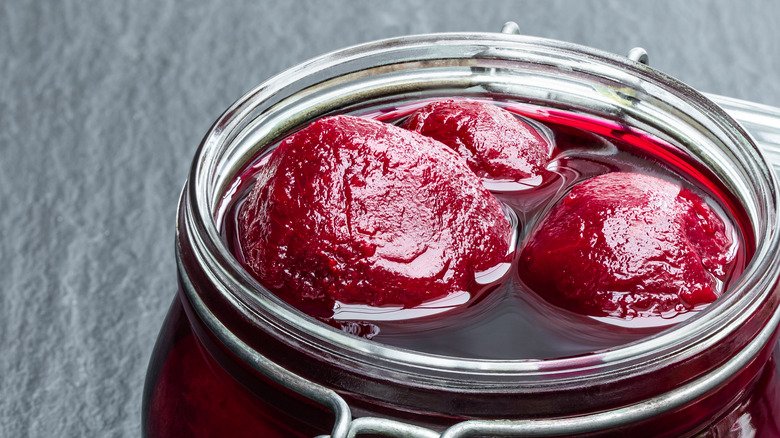
In today’s clean-label food market, natural colors are no longer just a trend — they’re a necessity. Among the many plant-based pigments available, beetroot food coloring stands out for its bright, eye-catching red hue and its natural, health-forward appeal. Derived from the humble beetroot, this natural coloring agent has gained widespread use in the food and beverage industry for its stability, safety, and versatility.
As consumers shift away from synthetic dyes, beetroot has become one of the most trusted and preferred options, making it an essential ingredient for manufacturers worldwide.
Why Beetroot Is Popular for Natural Coloring
Beetroot contains a group of pigments called betalains, which give it its deep red to pinkish hue. Unlike artificial red dyes, beetroot food coloring offers a naturally derived, chemical-free alternative that aligns with modern clean-label demands. It also adds a sense of freshness and authenticity to food products, which appeals strongly to health-conscious consumers.
The Role of Beetroot Powder Manufacturer in the Industry
Behind every bright red smoothie, candy, or frosting made with beetroot is a beetroot powder manufacturer ensuring the pigment meets quality and safety standards. Manufacturers carefully process fresh beetroot into concentrated powder or liquid form, preserving its natural color and minimizing flavor interference.
This ensures that the final product delivers vibrant color while maintaining consistent quality — something crucial for large-scale food production.
Benefits of Beetroot Food Coloring
- Clean Label Ingredient
Beetroot coloring is free from synthetic chemicals, making it ideal for brands that want to highlight “natural” and “plant-based” on their labels. - Mild Flavor Profile
Unlike some natural colorants, beetroot provides color without overpowering the taste of the product, especially when processed into powder form. - Vibrant Red Hue
Its rich, deep red tone makes it perfect for bakery, confectionery, beverages, and dairy products. - Nutritional Appeal
Beetroot is naturally rich in antioxidants and nutrients, which further enhances its appeal in health-focused food products. - Versatile Applications
From smoothies and juices to candies and sauces, beetroot can be used in a wide range of food and beverage categories.
Applications of Beetroot Food Coloring
- Beverages: Used in juices, flavored waters, smoothies, and functional drinks to achieve a bright red or pink shade.
- Bakery & Confectionery: Perfect for coloring cakes, icings, fillings, and gummies naturally.
- Dairy Products: Commonly used in yogurts, ice creams, and milkshakes for appealing red tones.
- Snacks & Sauces: Ideal for dressings, dips, and snack seasonings without synthetic additives.
Processing and Stability
One of the key advantages of working with a beetroot powder manufacturer is product stability. While natural colors can be sensitive to heat, light, and pH, modern drying and encapsulation techniques help extend shelf life and maintain color intensity. Beetroot coloring performs best in mildly acidic to neutral conditions, making it suitable for most food and beverage applications.
Sustainability and Consumer Trust
Beetroot is not only safe and natural but also sustainable. Its cultivation and processing have a lower environmental impact compared to synthetic dye production. Additionally, consumers trust ingredients they recognize — and beetroot is a familiar, plant-based option that reinforces brand transparency and health positioning.
Final Thoughts
Beetroot food coloring is more than just a pigment — it’s a reflection of the global shift toward natural, clean, and sustainable ingredients. With its bold red hue, mild flavor, and clean-label appeal, it’s no surprise that beetroot is becoming a preferred choice for modern food manufacturers.
Partnering with a reliable beetroot powder manufacturer ensures consistent color quality and application flexibility, allowing brands to create visually stunning and consumer-trusted products.