I know, I know.
Usually, when insects are going around, the first reactions are grabbing something to eliminate them or escaping. We’ve all been there; we don’t judge you.
But what if I told you that some bugs are actually helpful for your garden? Let me elaborate: Some insects are not necessarily harmful and can benefit your lawn.
Some of them act as natural predators for other pests, and can contribute to providing essential nutrients for the ground. So, maybe you’d like to think twice before killing that bug you found: it might be controlling some pest and defending your plants without you noticing.
In this post, the experts in lawn care and pest control at Purple Care will help us identify good bugs and how you can come to terms with their presence in your garden.
Types of Beneficial Insects
Some insects living on your lawn can bring different benefits. They can be classified as:
- Pollinators: Bugs that help transfer pollen from plants.
- Predators: They eat other insects that can damage your grass and plants.
- Decomposers: Insects that assist in the decomposition process of organisms.
- Parasitoids: These insects use other insects as hosts to carry their eggs and feed their larvae.
Did you think that only bees were helpful for your plants? Let’s check some examples of beneficial bugs that you might want to keep in the yard.
1. Ladybugs
One of the most tolerated insects, probably because of its appearance, ladybugs are your allies to control other bugs that can quickly turn into a pest problem.
Adult ladybugs and their larvae eat aphids. Aphids can prevent your plants from growing and cause lumps or strange growths in their leaves and roots. Ladybugs also eat caterpillar eggs and mites.
2. Praying Mantids
The majestic praying mantis is also a predator of several insects. They can eat grasshoppers, moths, and flies.
Though mantis can feed from those bad guys, they also have a downside: mantis also eat other beneficial insects, like bees and butterflies. Well… sometimes they also eat other mantis.
3. Spiders
Even though they are actually arachnids and not insects, these feared and abominable creatures are also excellent hunters.
With their amazing webs and effective attacks, spiders can trap and eat insects, like mosquitoes and flies, which makes them strong soldiers to defend your garden from pests.
If you see them around the garden, remember that they might be helping you.
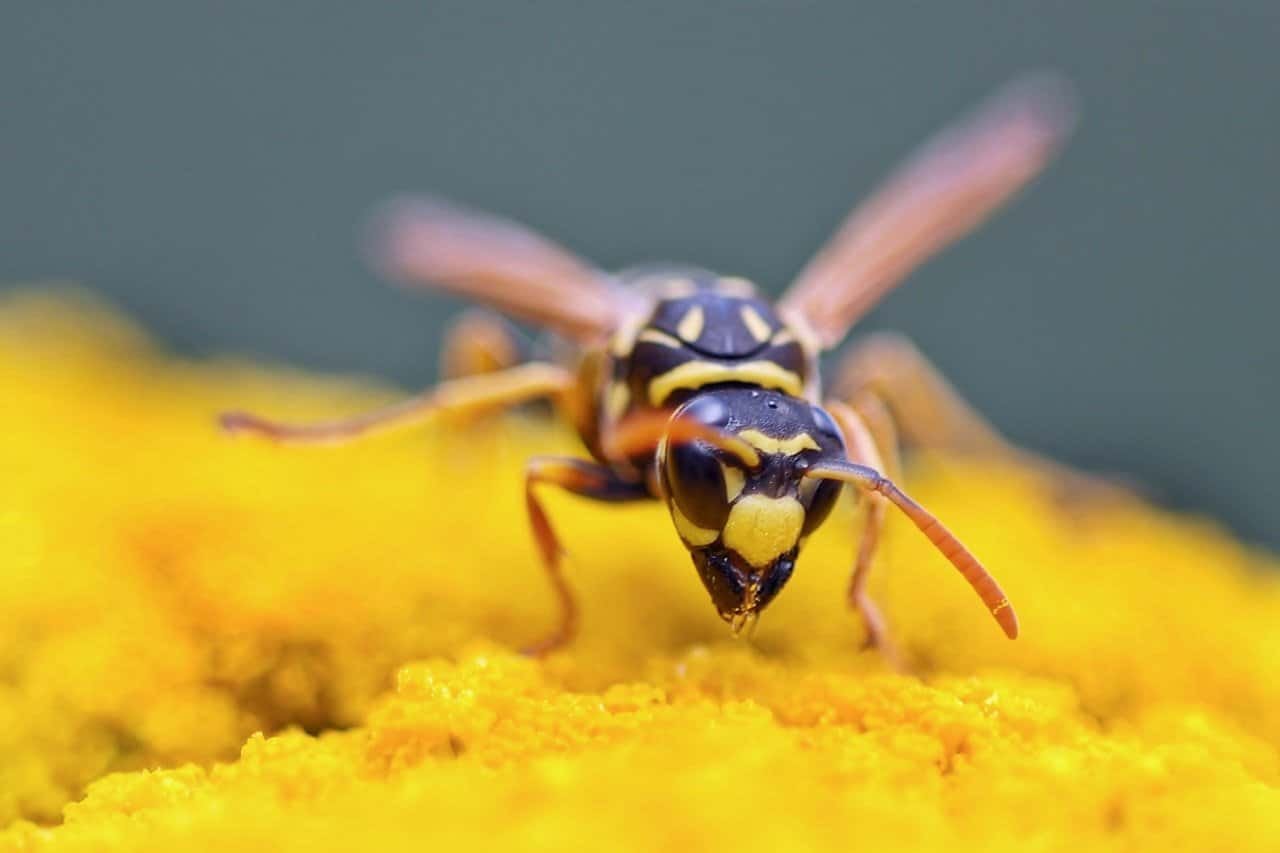
4. Parasitic Wasps
Some wasps, such as the braconid wasp, place their eggs onto other insects. The hosts can be caterpillars, moths, or aphids. When eggs hatch, the larvae start to eat the host.
Instead of dealing with insects, you leave it to these parasitic wasps, and they will do the job for you. You get natural and free pest control, courtesy of Mother Nature.
5. Ground Beetles
Ground beetles are predators for your turf’s worst nightmares: lawn grubs and armyworms. These insects eat the grass roots and cause yellow patches in your lawn. But the beetles will deal with them.
Moreover, ground beetles help decompose dead plants and organic matter, contributing to the overall quality of the ground.
Inviting Insects Into Your Garden
To attract these beneficial insects into your yard, make sure to provide an optimal environment for them. Providing water, food (other than insects), and shelter is essential to keep these bugs in your garden.
Planting certain plants and flowers is a good idea. Consider planting alyssum, goldenrod, and even parsley. Lavender, fennel, and mint are also especially attractive for beneficial insects.
Remember that chemicals from pesticides will kill insects, both good and bad ones. So, if you’re planning to let good bugs into your garden, remember to avoid fertilizers.
Natural Pest Control With No Effort!
Now you know that not all insects are scary and useless. They can actually take care of your garden just as much as you do.
Good insects feed from other bad insects, preventing them from ruining your yard and plants and helping control bug populations. No more munched leaves and yellow grass!
But that’s not the end. The best part is that you avoid spending on expensive pesticides that require careful handling and knowledge of how and where to apply them. Letting bugs help you eliminate pests is free, and you don’t have to be an expert.
Who said bugs are strictly your enemies? They can also be your friends.