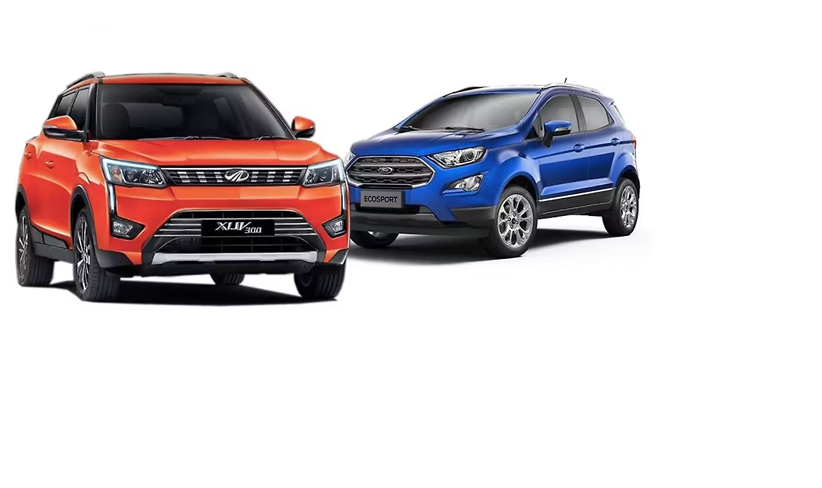
Choosing the right vehicle is one of the most important decisions when purchasing a new car, especially in a busy and dynamic city like Ford, Texas. Drivers often face the choice between a sedan and an SUV, each offering unique advantages and features. With Ford’s wide lineup of both vehicle types, it’s important to understand how sedans and SUVs differ in performance, comfort, efficiency, and overall practicality. For those exploring options, visiting Houston Ford dealerships is a great way to test drive models, compare features, and make an informed decision. This article provides an in-depth comparison to help you decide which type of Ford vehicle best suits your lifestyle and needs.
Understanding Sedans
Sedans are typically smaller, four-door vehicles designed primarily for passenger comfort and fuel efficiency. They are often ideal for city driving, daily commuting, and individuals or small families who prioritize efficiency and ease of maneuverability.
- Compact and Mid-Size Options: Ford sedans, such as the Fusion and the Focus, provide options for drivers seeking either smaller city cars or mid-size vehicles with extra interior space.
- Fuel Efficiency: Sedans generally consume less fuel than SUVs due to their lighter weight and aerodynamic design. This makes them ideal for commuting in urban traffic.
- Smooth Handling: Sedans tend to have a lower center of gravity, which enhances handling and stability on highways and city streets.
- Interior Comfort: While smaller than SUVs, modern Ford sedans offer comfortable seating, advanced infotainment systems, and sufficient cargo space for everyday needs.
Sedans are an attractive choice for drivers who want a practical, efficient, and stylish vehicle without the bulk of an SUV.
Understanding SUVs
SUVs, or Sport Utility Vehicles, are larger vehicles designed to handle a wider variety of driving conditions, provide more cargo space, and accommodate larger families or groups.
- Versatility and Space: Models like the Ford Escape, Edge, and Explorer offer more seating and cargo capacity than most sedans, making them ideal for families and long trips.
- Higher Seating Position: The elevated driving position of an SUV provides better visibility on the road, which many drivers find reassuring in city traffic and on highways.
- Off-Road Capability: Some Ford SUVs come with all-wheel or four-wheel drive, making them capable of handling rough roads or adverse weather conditions.
- Towing Capacity: SUVs generally offer higher towing capabilities than sedans, allowing drivers to tow trailers, boats, or campers with ease.
SUVs appeal to drivers who value space, flexibility, and the ability to handle a variety of driving environments beyond just city streets.
Fuel Efficiency Comparison
Fuel efficiency is a major factor for many buyers. Sedans usually lead in this category:
- Sedans: Smaller engines and lighter frames allow sedans like the Ford Fusion or Focus to achieve higher MPG ratings, making them cost-effective for daily commuting and highway travel.
- SUVs: Larger engines and heavier bodies typically reduce fuel efficiency compared to sedans, though Ford offers hybrid options like the Escape Hybrid that help close this gap.
- Real-World Driving: In stop-and-go city traffic, sedans often maintain better fuel economy, whereas SUVs may consume more fuel due to their size and weight.
If fuel economy is a top priority, a sedan may be the smarter choice, but hybrid and efficient engine options in SUVs provide a balanced alternative.
Performance and Handling
Driving dynamics differ significantly between sedans and SUVs:
- Sedans: Lower ride height provides a center of gravity that enhances stability and handling around corners. Steering is often more responsive, making city driving and tight parking easier.
- SUVs: While larger and heavier, modern Ford SUVs are engineered with advanced suspension systems that smooth out rough roads and provide comfortable long-distance rides. However, they may feel less nimble in tight urban spaces.
- Power Options: SUVs often offer more powerful engines, which can improve towing and acceleration capabilities, but sedans provide a satisfying balance of performance and fuel efficiency for everyday driving.
Choosing between performance and handling often comes down to whether you prioritize agility in the city or power and versatility for longer trips and diverse terrain.
Interior Space and Comfort
Space and comfort are critical considerations for both vehicle types:
- Sedans: Comfortable for small families or couples, sedans offer sufficient rear-seat space and trunk capacity for groceries, luggage, or light cargo. Technology features like infotainment, climate control, and driver-assist systems enhance the experience.
- SUVs: Offer more interior room, often with three rows of seating and expansive cargo areas. This makes SUVs ideal for family road trips, carrying sports equipment, or accommodating more passengers comfortably.
- Adjustable Interiors: Many SUVs provide foldable rear seats to maximize cargo capacity, giving drivers the flexibility to carry larger items that sedans cannot easily accommodate.
If passenger and cargo space are top priorities, an SUV is the obvious choice; sedans remain suitable for smaller groups with lighter cargo needs.
Safety Considerations
Both sedans and SUVs from Ford are equipped with advanced safety features, but vehicle design can influence overall safety:
- Sedans: Lower height and weight distribution can contribute to stability and reduced rollover risk. Standard safety features include airbags, lane-keeping assist, and automatic emergency braking.
- SUVs: Higher seating positions improve visibility, which can reduce accidents in traffic. Modern Ford SUVs also come with advanced safety systems, including blind-spot monitoring, adaptive cruise control, and collision mitigation technologies.
- Crash Performance: Both vehicle types undergo rigorous safety testing, and choosing the right trim and package can enhance protective features for any driver.
Safety features are abundant in both options, but SUVs offer the added advantage of a commanding view of the road.
Cost of Ownership
When evaluating long-term costs, several factors come into play:
- Purchase Price: Sedans typically have a lower starting price than SUVs, making them more accessible for budget-conscious buyers.
- Fuel Costs: Sedans’ superior fuel efficiency usually results in lower fuel expenses. Hybrid SUVs can mitigate this difference but may have higher initial costs.
- Maintenance: Larger SUVs can incur slightly higher maintenance costs due to heavier components and more complex drivetrains.
- Resale Value: SUVs often retain value better than sedans in markets where larger vehicles are in higher demand.
Considering these factors can help buyers determine which vehicle type aligns best with both their budget and lifestyle.
Technology and Connectivity
Ford equips both sedans and SUVs with modern technology, though there may be differences in available features:
- Sedans: Standard infotainment systems, driver-assist technologies, and smartphone integration are typically available in base trims, making sedans tech-friendly without added cost.
- SUVs: Larger cabins allow for advanced entertainment systems, additional USB ports, rear-seat screens, and more connectivity options for passengers.
- Safety and Convenience Features: Both vehicle types benefit from Ford Co-Pilot360™, which includes features like lane departure warnings, collision mitigation, and blind-spot monitoring.
Tech offerings in both sedans and SUVs enhance driving experience, but SUVs often provide extra comfort for passengers on long journeys.
Making the Right Choice
When deciding between a sedan and an SUV, consider these key questions:
- Driving Needs: Do you primarily drive in the city or take long trips? Sedans suit city commuters, while SUVs handle versatile conditions.
- Passenger and Cargo Needs: How many passengers do you carry regularly? What type of cargo do you transport? SUVs offer more room.
- Budget and Efficiency: Are fuel economy and lower costs a top priority? Sedans may save money over time, though efficient SUVs can close the gap.
- Lifestyle and Preferences: Do you prefer a sportier, lower ride or elevated seating and road presence? Both vehicle types offer distinctive experiences.
Ultimately, your choice should reflect your daily driving patterns, personal preferences, and family or work needs.
Conclusion
Choosing between a sedan and an SUV when buying a new Ford car in Ford, Texas, requires weighing factors like fuel efficiency, performance, interior space, safety, and overall cost of ownership. Sedans, such as the Ford Fusion or Focus, excel in fuel economy, maneuverability, and affordability, making them ideal for urban commuters and smaller households. SUVs, including the Escape, Edge, or Explorer, provide versatility, passenger comfort, cargo space, and a commanding driving position, making them suitable for families and adventurous drivers.