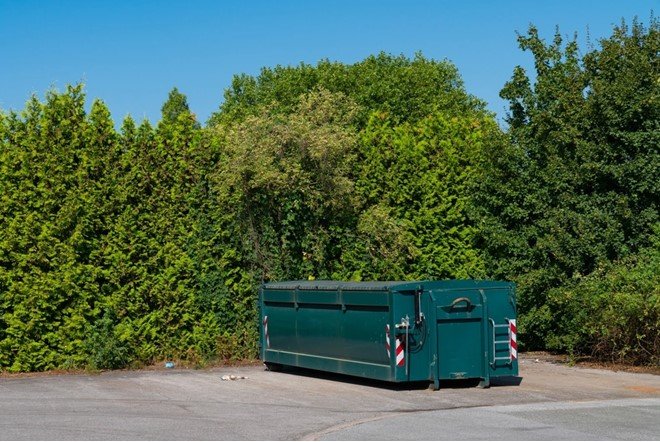
Short-term dumpster placements are commonly used on fast-moving construction projects where debris generation peaks briefly and then drops off. Interior renovations, tenant improvements, emergency repairs, and phased work often rely on containers that remain on-site for days rather than weeks. While this approach offers operational flexibility, it introduces a set of compliance challenges that differ from those associated with long-term placements.
For construction managers, short-term dumpsters can create disproportionate regulatory exposure if compliance considerations are treated casually. The very factors that make short-term placements appealing also compress the timeline for permits, inspections, and corrective action.
Why Short-Term Placements Are Treated Differently
Many municipalities distinguish between temporary and extended dumpster placements in their codes, even if the difference is not obvious at first glance. Short-term placements are often expected to be brief, minimally disruptive, and closely aligned with active work.
Because of this expectation, enforcement tolerance can be lower. Inspectors may assume that if a dumpster is present, work is actively underway and compliance conditions should already be met. When issues are discovered, there is often little patience for gradual correction.
Short duration does not reduce regulatory obligation. In some cases, it increases scrutiny.
Permit Timing Becomes a Primary Risk
One of the most common compliance challenges with short-term dumpsters is permit timing. Many local permits are issued on a daily or weekly basis, but approval timelines do not always match project urgency.
Construction managers may assume a dumpster can be placed immediately and removed before enforcement becomes an issue. In practice, placement without proper authorization can trigger citations even if the container is present for only a short period.
Because short-term placements often occur during critical work windows, delays tied to permitting can halt debris-generating activity entirely.
Placement Rules Are Less Forgiving
Placement rules governing sidewalks, streets, fire lanes, and right-of-way areas apply regardless of duration. Short-term dumpsters placed hastily are more likely to violate setback, clearance, or access requirements.
A container that blocks a sidewalk for a week may attract complaints more quickly than one placed in a long-term construction zone where disruption is expected. The temporary nature of the placement does not mitigate its impact on public access.
Construction managers must verify placement compliance even when containers are only needed briefly.
Duration Limits Are Actively Enforced
Short-term placements often come with strict duration limits. Municipalities may allow dumpsters on-site for a specific number of days without additional approval.
When projects slip or cleanup takes longer than anticipated, these limits are easily exceeded. Extensions may require new permits or approvals that were not planned for initially.
Because short-term placements are expected to be transient, enforcement actions often escalate quickly once duration limits are breached.
Signage and Visibility Requirements Still Apply
Temporary dumpsters are still subject to signage, marking, and visibility rules. Reflective markings, permit tags, and contact information may be required depending on location.
These details are frequently overlooked on short-term placements because the focus is on speed rather than compliance. Missing signage can trigger enforcement even when placement and duration are otherwise compliant.
Visibility rules exist to protect pedestrians and traffic, and they are enforced consistently regardless of how long a container is present.
Complaint-Driven Enforcement Is More Likely
Short-term dumpsters often appear in residential or mixed-use areas where construction is not constant. Neighbors and building occupants are more likely to notice and report temporary disruptions.
Complaints trigger inspections, and inspections often expand beyond the initial concern. A complaint about placement may lead to review of permits, duration, and site conditions.
Because short-term placements lack the established presence of long-term sites, they are more vulnerable to complaint-driven enforcement.
Weight and Overfill Issues Create Immediate Exposure
Short-term projects often generate dense debris quickly. Containers can become overloaded in a matter of hours rather than days.
Overfilled dumpsters violate safety and transportation regulations and are more likely to be cited promptly. When pickups are refused due to weight issues, containers remain on-site longer than permitted, compounding compliance problems.
Managing fill levels closely is critical on short-duration placements where there is little buffer for correction.
Access Conditions Change Rapidly
Short-term placements are often added after work has already begun. This reactive approach increases the risk that access conditions are not fully evaluated.
Delivery trucks may struggle with turning radii, overhead obstructions, or ground stability. If a container cannot be serviced safely, it may remain in place longer than planned.
Extended duration caused by access issues quickly turns a short-term placement into a compliance liability.
Documentation Is Often Overlooked
Because short-term dumpsters are perceived as temporary, documentation is frequently incomplete. Permits may not be posted, service records may be informal, and placement approvals may not be retained.
When inspections occur, the inability to produce documentation creates delays and increases the likelihood of citations. Inspectors typically expect documentation to be readily available regardless of duration.
Short-term does not mean informal from a compliance perspective.
Property-Level Rules Add Another Layer
On commercial or multi-tenant properties, dumpster placement is governed not only by municipal rules but also by property management policies.
Short-term placements that bypass property approval can violate lease terms or site rules even if municipal compliance is met. These violations often result in forced removal that disrupts schedules.
Construction managers must account for both regulatory and property-level compliance when planning short-term placements.
Limited Time Increases Operational Pressure
The compressed timeline of short-term placements leaves little room for error. There is often no opportunity to correct issues gradually or negotiate extensions.
When compliance problems arise, work may stop until they are resolved. For short projects, even a one-day interruption can have outsized impacts on cost and scheduling.
This pressure makes proactive compliance planning essential rather than optional.
Coordination Reduces Risk
Short-term placements benefit from tight coordination between construction managers and waste providers. Providers familiar with local rules can flag permit needs, placement risks, and duration constraints before delivery.
Industry discussions frequently reference platforms such as Temporary Dumpster when examining how coordinated, short-duration dumpster services help construction managers navigate compliance requirements without slowing down projects.
The emphasis is on preparation rather than reaction.
Common Compliance Mistakes on Short-Term Placements
Frequent mistakes include assuming permits are unnecessary, placing dumpsters without verifying clearance requirements, underestimating duration, and overlooking signage obligations.
Another common error is treating compliance as a post-delivery concern rather than a pre-delivery requirement. By the time issues are identified, enforcement risk is already present.
Avoiding these mistakes requires discipline even when timelines are tight.
Integrating Compliance Into Short-Term Planning
The most effective construction managers integrate compliance checks into short-term dumpster planning. This includes verifying permits, confirming placement rules, evaluating access, and preparing documentation before delivery.
These steps add minimal time compared to the delays caused by enforcement actions.
Proactive planning protects both schedules and budgets.
Why Short-Term Does Not Mean Low Risk
Short-term dumpster placements concentrate compliance risk into a narrow window. Because expectations are high and tolerance is low, violations are often addressed quickly and decisively.
Construction managers who assume brief placements carry minimal risk are often surprised by how rapidly issues escalate. Duration affects perception, not obligation.
Compliance challenges unique to short-term dumpster placements stem from compressed timelines, heightened visibility, and limited tolerance for disruption. Permit timing, placement rules, duration limits, and documentation all carry increased importance when containers are on-site briefly.
For construction managers, understanding these challenges allows short-term dumpster use to remain a flexible, efficient tool rather than a regulatory liability. When compliance is planned as carefully as logistics, short-term placements support fast-moving projects without introducing avoidable risk.