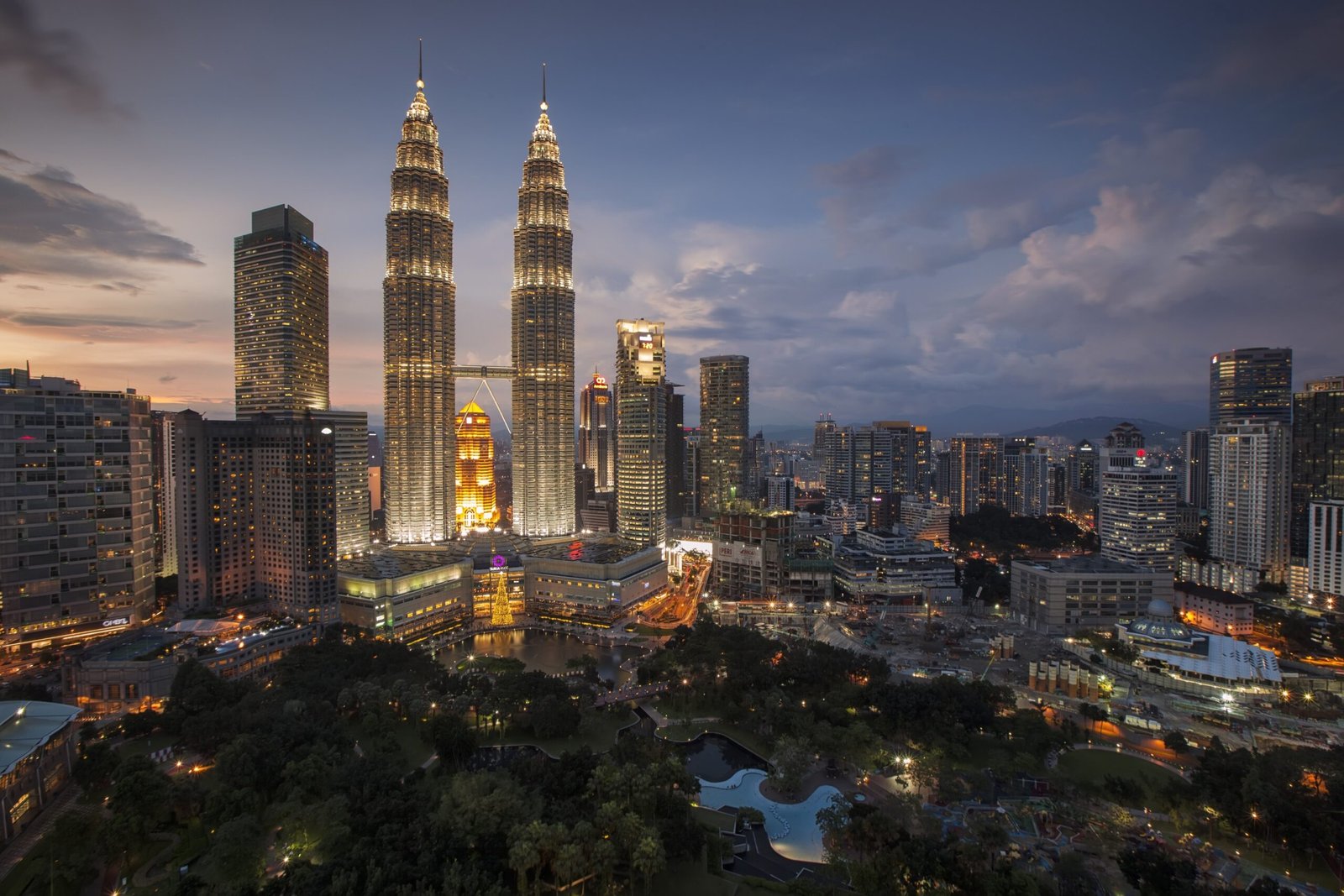
Malaysia is a country where modern entertainment meets deep-rooted tradition. A large Muslim population sees gambling as forbidden, while other communities are more tolerant. Lawmakers must balance economic benefits and tourism with moral and religious values. How Malaysia manages this issue shows the struggle between tradition and innovation.
Balancing Faith and Fortune
Malaysia is a nation of striking contrasts, where tradition and modernity often meet in unexpected ways. It is a country deeply rooted in faith, home to people who practice Islam, Buddhism, Hinduism, Christianity, and a variety of indigenous beliefs. At the same time, it hosts one of Southeast Asia’s most prominent legal gambling destinations: Genting Highlands, a mountain resort that attracts millions of visitors each year with its casinos, theme parks, and entertainment venues.
Many Malaysians also try their luck from the comfort of their homes. For those curious about the gambling opportunities, the list of online casino bonuses on this page shows how Malaysians explore some of the best gambling deals in the country. This combination of spirituality and entertainment highlights the unique ways in which culture and leisure coexist in Malaysia.
The Religious Perspective on Gambling
In Malaysia, religion plays a big role in shaping how people think, live, and make choices. For the majority of Muslims, gambling is strictly forbidden under Islamic law. The Quran even warns that it can breed hostility, greed, and distract people from living a moral life. For faithful Muslims, the idea of getting rich through chance feels spiritually dangerous.
Other religions in Malaysia approach gambling differently, but the message is usually one of caution. Buddhism encourages mindfulness and detachment, reminding followers not to get too attached to material gain. Hindu teachings warn about the risks of greed and the potential harm that gambling can bring to family relationships. Christianity stresses moderation, urging people to focus on living ethically rather than chasing luck-based rewards.
Yet in real life, things aren’t always black and white. Many non-Muslim Malaysians treat gambling as a form of entertainment, a night out with friends, a casual bet, or a bit of thrill, without seeing it as a moral problem.
The Contrast of Genting Highlands
High up in the Titiwangsa Mountains, roughly 1,800 meters above sea level, sits Genting Highlands, Malaysia’s only legal casino resort. Since opening in 1965, it has grown into a massive complex with hotels, theme parks, entertainment arenas, and gaming halls. For tourists, it’s a playground of excitement and indulgence. For dedicated Muslims, it can feel like walking into a moral maze – a place that tests faith, patience, and self-control.
The resort itself tries to respect Malaysia’s religious sensitivities. Muslim visitors are legally restricted from entering the casino floor, while family-friendly areas are carefully separated from gambling zones. Signs and cultural norms help maintain these limits. Even so, the very presence of a casino in a mainly religious society sparks ongoing conversations about ethics, morality, and the balance between leisure and spiritual life.
Gambling and Cultural Boundaries
What’s fascinating about Malaysia is how gambling exists within certain cultural and social spaces. For many non-Muslim locals and tourists, casinos are simply spaces to relax, enjoy a bit of excitement, and take a break from daily life. Gambling can coexist with family responsibilities and spiritual commitments if approached responsibly.
Still, the risk of conflict always exists. Stories of addiction, financial loss, and strained relationships show up regularly, prompting religious leaders to remind communities about the dangers of indulgence. For some Malaysians, a visit to a casino is less about luck and more about self-discipline. It’s a reminder that fortune is brief and ethics can’t be bought.
Economics vs. Ethics
Casinos in Malaysia are part of a careful balancing act between money and morals. Tourism and gambling contribute significantly to the economy, creating jobs and generating taxes. Genting Group, which operates the resort, is a major employer in the area, and the chain reaction extends to hotels, restaurants, and local businesses.
But how do you balance economic benefits with the moral expectations of a faith-based community? Measures such as restricting Muslim participation, enforcing responsible gambling, and offering non-gaming attractions demonstrate that it’s possible to grow economically without abandoning ethical standards.
This balancing act reflects Malaysia’s broader cultural values: practical choices paired with moral awareness. People are encouraged to make responsible personal decisions, while the government ensures public spaces respect social and religious norms. It’s a delicate balance, constantly influenced by changes in ethics, tourism, and the economy.
Personal Stories and Perspectives
For everyday Malaysians, gambling is a personal choice with diverse experiences. Non-Muslims might share stories of casual trips to Genting Highlands – a few hours at the slots, a night out with friends, or enjoying a themed show, without guilt or moral worry. Others see gambling as a metaphor for life itself, recognizing that luck can change fortunes in an instant.
Religious leaders across faiths emphasize moderation. Muslim imams, Buddhist monks, and Christian pastors alike remind communities that spiritual fulfilment and ethical living are incompatible with excessive indulgence in chance-based games. Their message is a gentle prompt to reflect on how desire, self-control, and responsibility shape their choices.
Lessons for Society
Malaysia’s experience offers lessons for other countries struggling with gambling and faith. Across Asia and beyond, legal gambling often sits alongside deeply religious societies. Casinos operate openly, but there are clear boundaries. Economic growth is encouraged, yet moral concerns are acknowledged. It’s not a perfect existence, but a thoughtful compromise between opposing priorities.
At its foundation, the story of faith and fortune in Malaysia is about choice. Every dice roll, card shuffle, or slot machine spin is a subtle reminder that material wealth is fleeting. Ethics, conscience, and spiritual well-being survive much longer. Malaysians learn that indulgence can coexist with morality, but only if guided by awareness, restraint, and respect for shared cultural values.
Final Thoughts
In Malaysia, faith and casinos coexist in a careful, often delicate balance rather than standing in opposition. Genting Highlands captures this duality, offering both allure and restraint, thrill and caution. For a society grounded in religious and ethical traditions, the casino becomes both a reflection and a challenge, highlighting human desires alongside moral choices.
Though faith and fortune might seem at odds, in Malaysia, they engage in a thoughtful discussion about living ethically in a modern, economically vibrant, and culturally rich society. Beyond the walls of casinos or the guidance of religious books, the story is ultimately about balance, mindfulness, and the human capacity to pursue desire without losing sight of conscience.