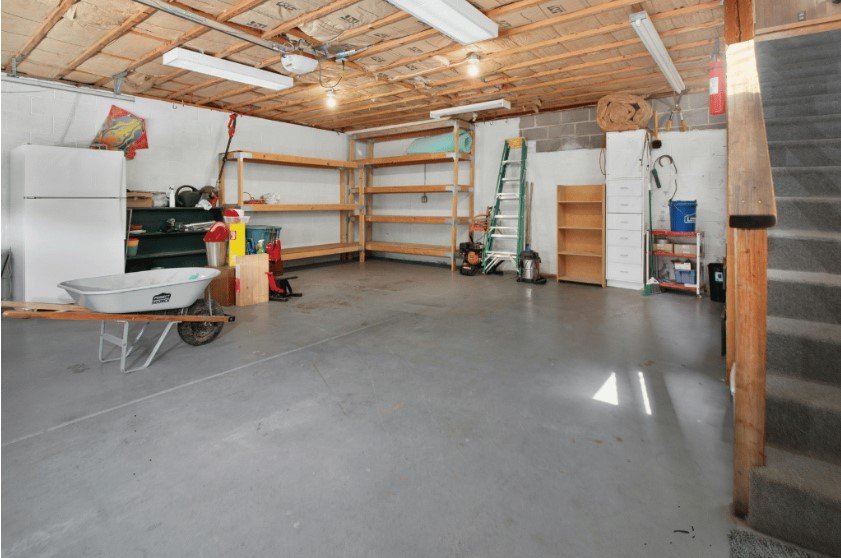
For many homeowners, garages are underutilized spaces that primarily serve as storage for cars, tools, or seasonal items. But what if your garage could serve a more meaningful purpose? Converting your garage into a functional living space can transform your home, increase property value, and provide extra room for your family’s needs. Whether you’re planning a home office, guest suite, or entertainment area, professional planning and execution are essential for a successful garage conversion.
Benefits of a Garage Conversion
A garage conversion offers multiple advantages:
- Maximizes Existing Space: Instead of investing in a costly home addition, you can repurpose an existing structure to create a new, livable area.
- Increases Property Value: A well-designed garage conversion can significantly boost your home’s resale value, especially if it’s done to code and with professional guidance.
- Versatile Living Options: Converted garages can serve as bedrooms, offices, home gyms, playrooms, or even rental units.
- Energy Efficiency: Modern conversions often include insulation, proper ventilation, and energy-efficient windows, improving your home’s overall comfort.
By transforming a garage into a functional living space, you not only make your home more practical but also more appealing to potential buyers.
Planning Your Garage Conversion
Proper planning is the foundation of any successful garage conversion. Here’s what to consider before you begin:
- Define Your Goals: Determine how you want to use the space. A guest room may require a bathroom addition, while a home office might need more electrical outlets and internet connectivity.
- Check Local Regulations: Many cities and homeowner associations have rules regarding garage conversions, including permits, zoning laws, and parking requirements. Consulting a licensed contractor ensures your project meets all regulations.
- Budget Considerations: Costs can vary depending on the scope of work, insulation, electrical upgrades, plumbing, and finishes. Having a realistic budget will help you make informed decisions.
Professional garage conversion contractors can guide you through every step, from design and permitting to final construction, ensuring a seamless and legal transformation.
Preparing the Garage
Once your plan is in place, preparing the garage is the next critical step:
- Structural Assessment: A licensed contractor will inspect the foundation, walls, and roof to ensure they can support a living space. This is especially important if you plan to add plumbing or additional insulation.
- Insulation and Ventilation: Garages are often poorly insulated, making them uncomfortable for living purposes. Adding proper insulation, ventilation, and sometimes even HVAC access is essential for year-round comfort.
- Flooring: Concrete floors are common in garages but can be cold and uninviting. Options such as hardwood, laminate, tile, or even carpet with proper underlayment can create a warm and functional environment.
- Windows and Doors: Replacing or adding windows can bring natural light into the space, making it feel like a true part of your home. Converting the garage door into a wall or installing a new entry door enhances security and usability.
Electrical, Plumbing, and Lighting
Depending on the function of your converted garage, you may need to upgrade electrical wiring, add outlets, or install plumbing.
- Electrical Upgrades: Living spaces require more outlets and lighting than garages typically provide. Hiring a licensed electrician ensures your wiring is safe and up to code.
- Plumbing Considerations: If you plan to add a bathroom, wet bar, or laundry area, a professional plumber can install necessary lines while preventing leaks and water damage.
- Lighting: A combination of overhead lighting, task lighting, and natural light sources can make the garage feel warm and inviting.
Design and Aesthetic Considerations
Transforming a garage into a functional living space isn’t just about structural changes—it’s also about creating a space that feels like home:
- Open Layout: Keep the space open and flexible to accommodate multiple functions. Movable furniture and built-in storage can help maximize space.
- Color and Finishes: Choose paint colors, flooring, and wall textures that align with the rest of your home. Cohesive design enhances the feeling that the garage is part of the main living area.
- Storage Solutions: Incorporate built-in shelves, cabinets, or closets to maintain organization and reduce clutter.
Professional remodeling contractors often offer design guidance, helping you balance functionality, style, and budget.
Final Steps and Inspection
Before using your converted garage as a living space, ensure all work meets local building codes and passes inspection. Final touches such as trim, baseboards, and decor complete the transformation, making the space ready for everyday use.
Conclusion
Converting a garage into a functional living space is a smart and practical home improvement that offers increased property value, added comfort, and versatile living options. From planning and structural upgrades to insulation, electrical work, and design, every step requires careful attention to detail. Hiring experienced contractors ensures a seamless conversion that is safe, stylish, and long-lasting.
Whether you’re creating a new guest room, a home office, or a family entertainment area, a garage conversion can breathe new life into your home, transforming an underutilized space into a valuable and functional part of your everyday living.
If you own an older property, arranging a professional asbestos survey can help identify hazardous materials and ensure the building remains safe and compliant.