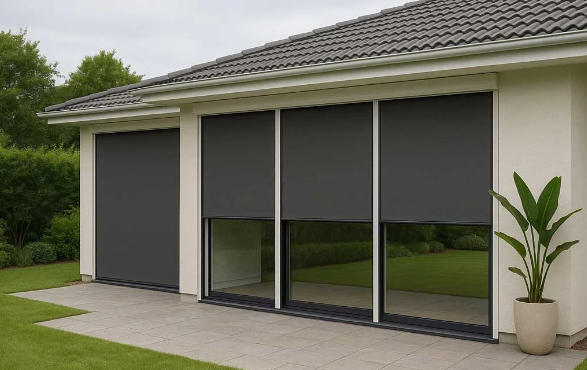
Outdoor living areas hold a special place in many homes. A patio, balcony, or veranda can become a peaceful corner for relaxation. A well-designed space can also become a lively area for family gatherings. However, design choices affect how this space feels and functions. One important feature is window and outdoor shading. This is where Outdoor Roller Blinds make a strong impact.
Many homeowners think about shade first. Shade matters a lot during hot afternoons. Yet style matters just as much. Blinds should not look like random additions. They should blend with the structure of the house. So, choosing the right blinds requires attention and planning.
This guide explains how to match outdoor blinds with your home’s architecture.
Understand Your Home’s Architectural Style
Every house follows a certain design style. Some homes follow modern architecture, while others reflect classic or traditional design. Many houses also show coastal or rustic features. Each style carries its own personality. Therefore, the blinds should respect that personality.
- A modern house often shows clean lines and simple shapes. The walls usually appear smooth and minimal. Neutral colors often dominate the exterior. In such cases, blinds should follow the same simplicity. Dark grey or black blinds often match well. These colours create a sharp and elegant look.
- Traditional homes show more decorative details. You may notice trims, frames, and decorative posts. These houses look warm and timeless. So, blinds with softer tones work better here. Beige or cream shades often fit nicely.
- Coastal homes bring a relaxed feeling. Light colours dominate the design. The structure often feels airy and open. Therefore, light grey or sandy colors often suit this style.
Recognising your home’s style becomes the first step. Once you understand the architecture, design choices become much easier.
Pay Attention to Colour Harmony
Colour plays a powerful role in exterior design. A good color match creates visual balance. A poor match creates confusion and distraction. So homeowners should consider the main colors of their homes.
Start by looking at the wall color. Also examine window frames and roofing materials. These elements create the base palette of the house. Blinds should complement this palette rather than compete with it.
For example, a house with white walls can support many blind colors. Charcoal or slate shades create a bold contrast. On the other hand, beige blinds create a soft appearance.
Homes with darker walls require lighter blinds for balance. This contrast prevents the structure from looking too heavy.
Moreover, homeowners should avoid extremely bright colors. Strong tones may overpower the architectural design. Neutral tones often remain the safest choice. Outdoor Roller Blinds that match the color palette create a smooth visual transition.
Consider the Structure of Outdoor Spaces
Outdoor areas come in different shapes and sizes. Some houses have wide patios. Others feature narrow balconies. Some homes include pergolas or covered decks.
Each structure requires a slightly different blind approach. Large patios often benefit from wide blind panels. These panels provide better coverage and symmetry.
Narrow balconies require slimmer installations. Smaller blinds maintain proportion and balance.
Pergolas present another interesting opportunity. The wooden beams already provide a strong design element. Therefore, blinds should not hide these features. Instead, the blinds should complement the beams.
For example, neutral shades work beautifully with wooden structures. The natural tones feel warm and inviting.
Matching blinds with the outdoor structure helps preserve architectural character. The design feels intentional and cohesive.
Choose the Right Fabric Texture
Texture often receives less attention than color. Yet texture can influence visual harmony. Some homes carry smooth surfaces. Other homes show rough textures like stone or brick.
Modern houses often display sleek finishes. Therefore, smooth blind fabrics usually work best. These materials support the clean aesthetic of modern design.
Rustic or farmhouse homes feature natural materials. Wood, brick, and stone appear frequently. In this case, slightly textured fabrics can enhance the natural vibe.
Fabric choice also affects light filtering. Some materials allow soft daylight to pass through, while others block light more strongly. Homeowners should consider how much sunlight enters the outdoor area.
Think About Frame and Hardware Design
Blinds include more than just fabric panels. Frames, brackets, and mechanisms also affect the appearance. These components remain visible after installation. So their design should match the architecture as well.
Minimal hardware works best for modern homes. Slim frames maintain a sleek appearance. Bulky parts may disrupt the clean lines.
Traditional houses can support slightly decorative hardware. Small design details may enhance the classic style.
Moreover, color matching also matters here. Frames should blend with the blinds or nearby structures. Black frames often look elegant with darker blinds.
When hardware matches the overall design, the entire installation feels more refined.
Balance Function with Style
Outdoor shading solutions must serve practical purposes. Protection from sun, wind, and glare remains important. However, function should not destroy visual harmony.
Homeowners should evaluate how they use their outdoor space. Some families host weekend gatherings. Others enjoy quiet evening relaxation.
For example, dining areas require good shade coverage. This helps guests stay comfortable during sunny afternoons. Lounge areas may require softer light filtering instead.
Outdoor Roller Blinds provide flexible solutions for many situations. They can roll up during pleasant weather and close during harsh sunlight.
Coordinate With Landscaping and Outdoor Furniture
Architecture extends beyond walls and roofs. Gardens, patios, and furniture also shape the exterior experience. Therefore, blinds should harmonize with these surrounding elements.
Look at the color of outdoor furniture. Examine the cushions and tables. Plants and garden features also influence the atmosphere.
For example, wooden furniture pairs nicely with neutral blind colors. The natural tones feel warm and inviting.
Modern metal furniture pairs well with darker shades. This creates a contemporary and stylish mood.
Moreover, greenery adds freshness to outdoor spaces. Blinds with earthy tones often complement plants beautifully.
When blinds connect with landscaping and furniture, the entire outdoor area feels unified.
Maintain Proportion and Visual Balance
Large houses require larger design elements. Small homes benefit from subtle features. The same rule applies to blinds.
Oversized blinds on small balconies may look overwhelming. Extremely small blinds may disappear on wide patios.
Therefore, proportional design becomes important. The width and height of the blinds should match the scale of the space.
Balanced proportions create a comfortable visual rhythm. The house appears organized and thoughtfully designed.
Final Thoughts
Matching blinds with architecture requires attention and creativity. Every home carries a unique design identity. The goal is to enhance that identity rather than hide it.
Homeowners should observe colors, materials, and shapes carefully. Moreover, they should think about outdoor structures and furniture. These elements together form a complete visual story.
If you need any further help, feel free to consult with Elite Roller Shutters.