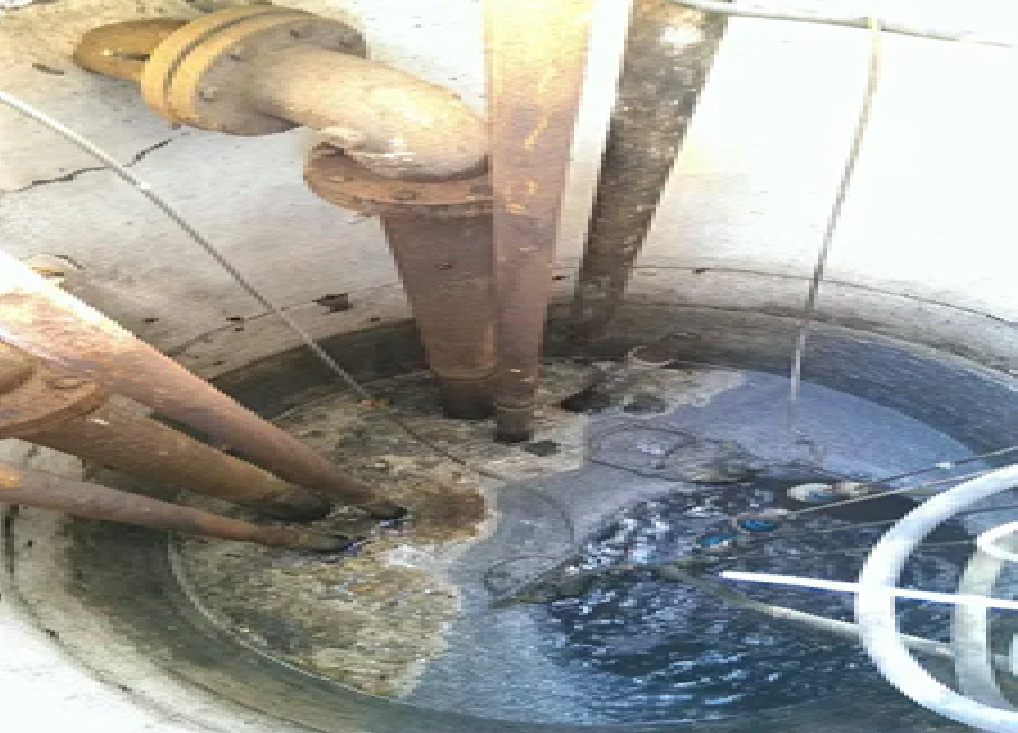
For generations, rural homeowners have quietly passed down a seemingly magical piece of plumbing advice: Once a month, flush a packet of active dry baker’s yeast down the toilet, and you will never have to pump your septic tank again.
The logic feels incredibly intuitive. Yeast is a living organism known for “eating” sugars and breaking things down. If you drop it into a tank full of organic waste, it should act as a microscopic cleaning crew, right?
Unfortunately, modern wastewater engineers and sanitation professionals are actively sounding the alarm against this deeply ingrained myth. While flushing a packet of yeast feels like a harmless, natural life hack, it is actually a biological wrecking ball that can catastrophically destroy your drain field. Here is a look at the hidden microbiology of your backyard, and why the yeast trick is a recipe for disaster.
The Biological Engine: Bacteria vs. Fungus
To understand why yeast fails, we have to look at how a subterranean wastewater system is engineered to function.
A septic tank is not just a concrete holding pen; it is an active, anaerobic bacterial bioreactor. When human waste, toilet paper, and greywater enter the tank, naturally occurring bacteria immediately go to work. These specific bacteria produce highly specialized enzymes:
- Proteases to break down proteins (meat and dairy).
- Lipases to break down fats, oils, and greases.
- Cellulases to break down toilet paper.
Yeast, however, is not a bacterium. It is a fungus. It does not produce the enzymes required to digest human waste, fats, or cellulose. Yeast only consumes simple sugars and starches. When you flush yeast into the tank, it completely ignores the heavy sludge and greasy scum layers that actually cause system failures.
The “Yeast Bloom” Disaster
If yeast does not eat the sludge, what does it do? It ferments.
When you introduce active yeast into a dark, warm tank filled with organic matter and water, it behaves exactly as it does in a bakery or a brewery: it aggressively consumes the available sugars and off-gasses massive amounts of carbon dioxide (CO2) and alcohol.
This rapid fermentation creates a “yeast bloom.” The millions of microscopic CO2 bubbles generated by the yeast act like tiny elevators inside the water. Normally, heavy solid waste sinks safely to the bottom of the tank to form the sludge layer. However, the rising gas bubbles catch these heavy solids and violently push them upward to the surface, completely destroying the delicate separation of layers.
The Drain Field Death Sentence
When the sludge is artificially lifted by the yeast bubbles, the system enters a critical failure mode.
The suspended raw solids are pushed out of the tank’s exit baffle and pumped directly into the perforated PVC pipes of your drain field (or leach field). The soil in your yard acts as the final biological filter for the wastewater. When raw, undigested sludge hits this soil, it instantly plugs the microscopic pores—forming a concrete-like barrier known as a biomat failure.
Once the soil is plugged, the wastewater has nowhere to go. It will either pool as a toxic swamp in your backyard or back up directly into your ground-floor bathtubs. Recovering a drain field that has been suffocated by sludge often requires total excavation and replacement, a project that can easily cost tens of thousands of dollars.
The Reality of System Maintenance
The desire to avoid the cost of a professional pump-out is exactly what drives the yeast myth. But the truth is, there is no magic powder, pill, or fungus that makes solid human waste disappear into thin air.
If you want to know how to treat your septic system effectively, the answer is surprisingly boring:
- Do not flush toxins: Avoid pouring harsh bleach, liquid fabric softeners, or heavy antibacterial soaps down the drain, as these kill the natural, beneficial bacteria your tank relies on.
- Protect the pipes: Only flush human waste and septic-safe toilet paper.
- Schedule physical removal: Have a professional vacuum truck physically pump out the indigestible sludge layer every 3 to 5 years.
By trusting the natural bacteria already present in your system and retiring the baker’s yeast, you can protect your plumbing, your yard, and your wallet from a very messy disaster.