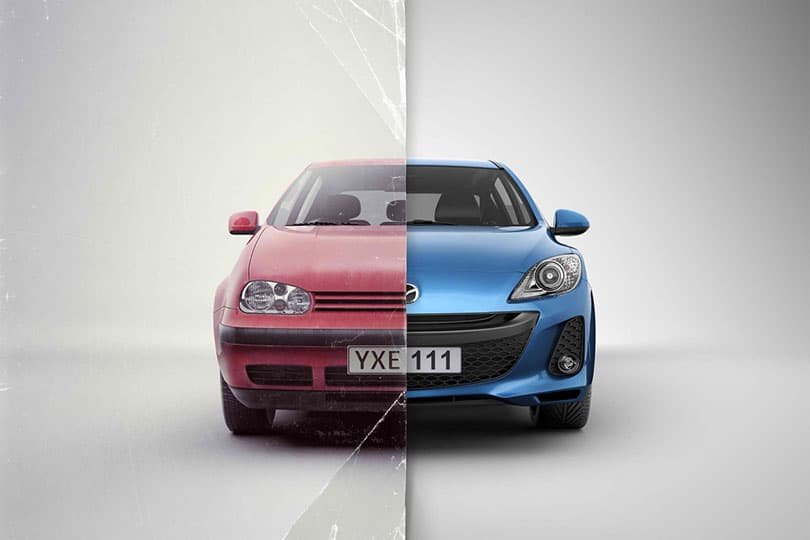
Deciding between purchasing a new or used car is one of the most important choices a buyer can make. Each option has its advantages and drawbacks, and understanding them can help drivers make a well-informed decision. Factors such as cost, reliability, depreciation, financing, and available features all play a role in determining the best choice for individual needs. For those in Lafayette, exploring the inventory of used cars Lafayette LA can provide insight into the variety, quality, and value of pre-owned vehicles available in the area.
Cost Considerations
New Cars
The most obvious difference between new and used cars is the price. New vehicles generally carry a higher upfront cost because they are purchased directly from a dealership with no prior owners. Buyers may benefit from promotions, incentives, or low-interest financing options, but the initial investment is usually significant. Beyond the purchase price, insurance premiums for new cars are often higher due to replacement costs and coverage requirements.
Used Cars
Used cars, on the other hand, come with a lower price tag. Because they have already experienced depreciation, buyers can often acquire higher-end models for the same budget as a lower-tier new car. Additionally, insurance costs are typically lower for used cars, making overall ownership more affordable. This makes pre-owned vehicles an attractive option for budget-conscious buyers or those seeking to maximize value for money.
Depreciation and Resale Value
New Cars
One of the most significant drawbacks of a new car is depreciation. Vehicles lose value rapidly within the first few years of ownership, sometimes as much as 20-30% in the first year alone. This depreciation impacts resale value, meaning a new car’s worth declines quickly even if it is well-maintained. Buyers planning to keep their vehicles long-term may still find value in new cars, but those seeking strong resale potential may need to consider alternatives.
Used Cars
Used cars have already undergone the steepest depreciation, which means their value stabilizes over time. Buyers of pre-owned vehicles are less affected by immediate loss in value, which can make them a better investment in terms of resale. Moreover, careful selection of a well-maintained used car can provide reliable performance without the rapid depreciation that comes with new vehicles.
Reliability and Warranty
New Cars
New vehicles offer peace of mind regarding reliability. Modern cars come with full manufacturer warranties, covering most repairs and replacements for several years. They also feature the latest technology, safety enhancements, and quality standards. For buyers prioritizing dependability and minimal maintenance concerns, a new car is often the preferred choice.
Used Cars
Used cars can vary in reliability depending on age, mileage, and prior care. Certified Pre-Owned (CPO) programs offer additional assurances by including inspections, extended warranties, and service history verification. Even without certification, a thorough inspection and maintenance history review can help ensure a used car remains dependable. For buyers willing to perform some due diligence, used cars can provide many years of trouble-free operation.
Financing and Insurance
New Cars
Financing options for new cars are often more favorable, with lower interest rates and longer loan terms available through dealerships and manufacturers. Buyers may also qualify for cash-back incentives or special promotions. However, monthly payments are generally higher due to the vehicle’s higher cost. Insurance rates for new cars are also typically elevated, reflecting their replacement value.
Used Cars
Used cars can also be financed, though interest rates may be slightly higher. Monthly payments are usually lower because the vehicle’s price is reduced, which can help buyers manage budgets more easily. Insurance costs are often more affordable as well, making overall ownership less expensive. This affordability makes used cars a practical option for first-time buyers or those seeking to minimize financial strain.
Features and Technology
New Cars
One of the advantages of new vehicles is the inclusion of the latest technology and features. From advanced driver-assistance systems like lane-keeping assist and adaptive cruise control to infotainment upgrades and fuel-efficient engines, new cars offer modern convenience and safety enhancements. Buyers who value cutting-edge technology and comfort often prefer new vehicles for these benefits.
Used Cars
While older models may not include the newest features, many used cars still offer impressive technology and comfort options. Mid-range to high-end pre-owned vehicles often have features comparable to new cars, but at a significantly lower price. Buyers should carefully review the features and technology of any used car to ensure it meets their needs, balancing cost savings with desired amenities.
Long-Term Maintenance Costs
New Cars
New cars generally require minimal maintenance in the first few years, thanks to warranties and the fresh condition of components. However, parts and labor for repairs after the warranty expires can be more expensive due to specialized technology and dealer pricing. Routine upkeep, such as oil changes, tire rotations, and brake servicing, is typically straightforward and predictable.
Used Cars
Used cars may require more frequent maintenance depending on their age and mileage. While some pre-owned vehicles are virtually like new, others may need attention to components that have naturally worn over time. Investing in inspections, CPO programs, and routine maintenance can help reduce unexpected repair costs, making used cars a reliable option with proper care.
Variety and Availability
New Cars
New car buyers can select from the latest models, trims, and color options, giving them the freedom to customize features and specifications. Dealerships often maintain inventories of current-year models, providing immediate availability and the ability to select exactly what suits personal preferences.
Used Cars
Used cars offer a wide range of makes, models, and years, which may include discontinued or rare vehicles no longer available new. Buyers can often find higher-end trims or vehicles with premium features at a lower cost. Inventory may vary based on location, but platforms like used cars Lafayette LA provide a convenient way to explore available options and compare pricing.
Environmental Impact
New Cars
New vehicles, particularly hybrids and electric models, are designed with fuel efficiency and reduced emissions in mind. Buyers can select eco-friendly options that help lower carbon footprints while benefiting from modern technology. Fuel-efficient engines, aerodynamic designs, and hybrid systems contribute to environmental sustainability.
Used Cars
Purchasing a used car can also be environmentally responsible. By choosing a pre-owned vehicle, buyers extend its life cycle, reducing the demand for new manufacturing and the associated resource consumption. Combining a used vehicle with fuel-efficient or hybrid technology can offer an eco-conscious option without paying the premium for a new car.
Making the Right Choice
Ultimately, the decision between new and used cars depends on individual priorities. Buyers should consider their budget, lifestyle, and long-term plans when evaluating options. New cars provide modern features, reliability, and warranties but come with higher costs and rapid depreciation. Used cars offer affordability, value retention, and a wide variety of choices but require careful selection and consideration of maintenance. Research, inspections, and consultations with reputable dealerships can help buyers find the best match.
Conclusion
Choosing between new and used cars involves weighing multiple factors, including price, depreciation, reliability, technology, and environmental impact. For Lafayette drivers, exploring options from trusted sources, such as used cars Lafayette LA, allows for a better understanding of the variety, quality, and affordability of pre-owned vehicles. Both new and used cars have unique advantages, and the right choice depends on individual needs, priorities, and budget. By carefully evaluating these factors, buyers can make a confident decision that provides satisfaction, reliability, and value for years to come.