Live entertainment has moved far beyond TV sets and reality formats. Casino-style live shows turned interaction into craft work. They mix streaming, quick reactions and smart analytics to keep thousands of players tuned in. Other industries study this model, trying to hold attention when the next distraction is one tap away.
The Mechanics of Engagement
Casino game-shows succeed because they operate at the perfect tempo. There’s no long pause between rounds, no time for the player’s focus to drift. Every spin, every card reveal happens with precise rhythm. The average round lasts under 30 seconds, but within that half-minute, dozens of micro-interactions take place – bets, chat reactions, bonus triggers.
This structure creates a cycle of anticipation and reward. In digital marketing or live commerce, similar pacing can double engagement. When users know what happens next and when, they’re less likely to leave. The takeaway: tempo equals retention.
Immersion Through Authentic Hosts
Hosts in game-shows aren’t just presenters – they are the emotional anchors. They maintain a light tone, inject humor, and respond instantly to chat. This turns a digital process into a shared event. Unlike scripted video content, live hosts bridge the gap between algorithm and audience.
Companies experimenting with live shopping or digital learning are using this formula. A charismatic host or instructor who adapts in real time can increase session duration by up to 40%. It’s not about perfect delivery but about spontaneity and connection.
Insight and Experience from Lightning Storm
A good example of how technology and human interaction combine is Lightning Storm live by Evolution. The project focuses on teaching safe and legal gaming through an educational format. It explores how live casino mechanics, such as fast-paced rounds and bonus multipliers up to 50x, influence user attention and satisfaction.
Visitors can find information about certified software, dealer training, and the developer’s mission for responsible gaming. What makes the experience notable is how easily users can access game stats, strategy breakdowns, and visual demos. The interface feels intuitive, while the explanations stay clear even for those new to the format. Lightning Storm shows that educational value and entertainment can coexist without losing credibility.
Pacing and Attention Management
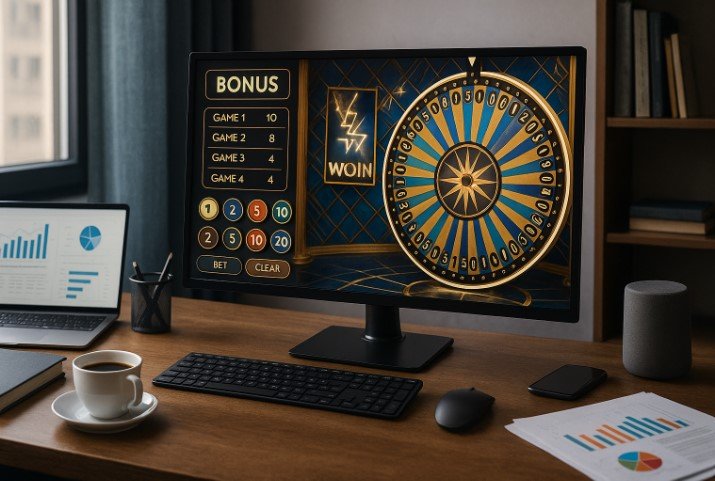
Live interaction relies on rhythm and feedback loops. When players click, hosts react. When the wheel stops, visual effects and sounds sync perfectly. This precision isn’t random – studios use real-time data to adjust timing and visual pacing. Delays longer than two seconds often lead to player drop-offs.
Other sectors apply similar timing strategies:
- E-commerce: dynamic countdowns and stock indicators during flash sales to create urgency, plus live visitor counters that enhance trust.
- Education: gamified progress bars showing immediate feedback, level systems that reward consistency, and brief recap animations between tasks.
- Streaming: adaptive notifications when chat activity slows down, instant reaction polls, and subtle on-screen prompts that re-engage passive viewers.
Attention is a measurable metric. Even a one-second lag can cost hundreds of viewers during a live session.
Micro-Interactions and Retention
Casinos mastered micro-engagements long before social media adopted them. Clicking chips, voting on side outcomes, predicting next moves – each tap creates commitment. When transferred to other fields, the same logic works for polls, product previews, or learning quizzes.
Three things make micro-interactions effective:
- Instant feedback. Every action should trigger a visual or emotional response.
- Low effort. Users engage more when no extra step is needed.
- Variable reward. Small surprises (bonus multipliers, random offers) keep engagement high.
A study by Playtech noted that short interaction cycles increased active playtime by up to 25%. The model is now used in fintech onboarding and fitness apps.
Adapting Live-Show Dynamics Beyond Gaming
Many industries can borrow principles from casino live-shows without touching gambling elements. Key transferable practices include:
| Element | Casino Use | Business Adaptation |
| Real-time feedback | Chat and visual effects | Customer Q&A, live metrics |
| Dynamic tempo | Rapid rounds | Short product demos |
| Human anchoring | Host reactions | Real presenters or instructors |
| Micro-engagements | Bets, votes | Polls, likes, quick forms |
| Data-driven pacing | Adjusting delay and visuals | Adaptive learning or dynamic pricing |
When applied thoughtfully, these methods increase dwell time and reduce bounce rates.
Why It Works
Live interaction activates both visual and emotional channels. Users stay not because of the potential gain but because of the sense of presence. It’s the digital equivalent of sitting in a crowd, reacting together. Casinos simply perfected what others are just beginning to understand: attention is not bought, it’s sustained.
By combining pace, feedback, and authenticity, live game-shows have built a formula that works across industries. Whether you run an online classroom, a sales stream, or a conference, the principles remain the same – fast rhythm, visible reactions, and genuine connection.