Typically, homeowners do not tie a leaking pipe to a potential termite problem. A leaking faucet is a plumbing issue, not a pest issue. Nevertheless, that slow and consistent level of moisture is just what termites are looking for. Concealed leaks will create damp, dark conditions they love, turning quiet corners of a home into their perfect feeding ground.
Knowing this link can save thousands in repairs—and prevent months of unseen damage behind your walls or under your floorboards.
Why Termites Chase Moisture
Termites need moisture to exist; in nature, they exist in wet decayed wood and soils that is close to water. Inside a home, they seek the same environment.
A small leak—under a sink, inside of a wall, or near a water heater—keeps the wood soft enough to chew easily. Finding that damp area, they build mud tubes to travel in and begin expanding the colony.
That’s why the experts from Treebark Termite and Pest Control always say: fix the leaks, that’s the very first step in termite prevention. Not even the best termite treatment is able to hold up forever if water keeps creating new breeding spots.
The Hidden Places Leaks Hide
Most leaks aren’t dramatic bursts. They drip slowly where nobody looks:
- Inside kitchen or bathroom cabinetry
- Underneath laundry sinks or dishwashers
- Around AC units and condensation drains
- Behind water heaters or ice-maker lines
By the time stains, mildew, or warped wood appear, termites may already have found the damp wood and settled in. A quick search for termite control near me usually results in a professional using things like moisture meters and thermal scanners, tools which find humidity long before visible damage can appear.
Moisture + Wood = an Open Invitation
Termites will not chew dry wood, as it is too hard. Once that piece of wood receives moisture, it will chew like bread in the rain. Termites eat through the wood, and while the exterior will remain intact, if you knock on the wood, it should crumble.
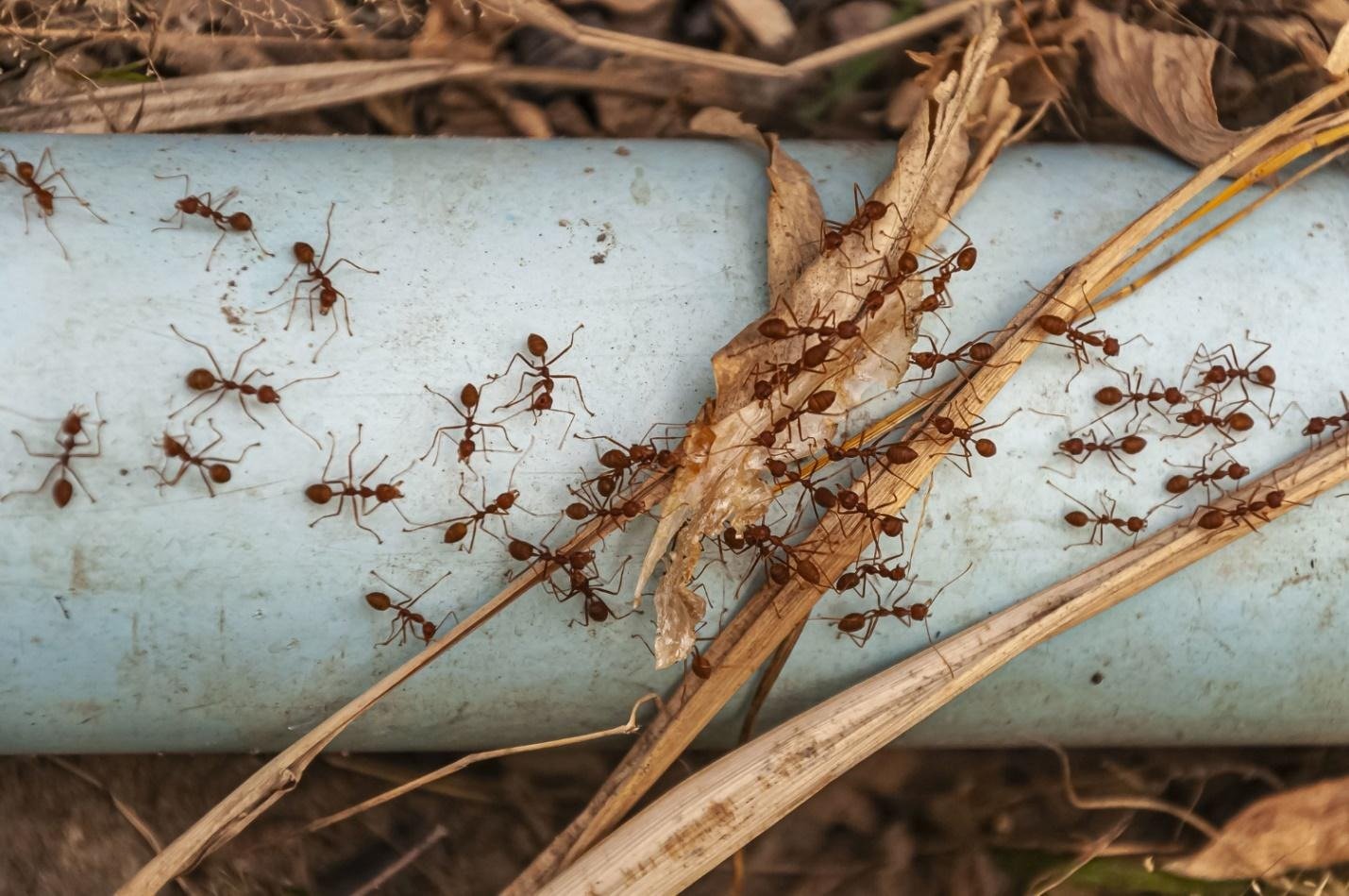
In addition to chewing and eating the wood in your belly, termites will build mud tunnels in order to hold the environment and humidity (so they do not dry out). The mud tunnels also protect them from light and predators. In fact, these mud tubes will allow the colony to stay quiet and unnoticed from more than a few months to several years.
Moist, protected conditions created by leaks also make it easier for a termite egg to survive and hatch, allowing the colony to expand rapidly without detection.
Leaking pipes provide a consistent water supply for the termites. That is all that is needed to cause excessive long-term structural damage to your home.
Simple Steps to Cut Their Water Source
Basic maintenance can keep termites out.
- Look under sinks and appliances every few months to check for leaks.
- Fix leaks quickly – do not wait until it is a pool.
- Crawlspaces should have some sort of venting to prevent condensation.
- Make sure to direct downspouts away from the foundation so that outside wall does not get damp.
- And any space that tends to be humid, like a laundry room or basement, should have a dehumidifier.
These tiny habits don’t only help protect wood, but they also undermine the comfort zone for which the termites survive. Add to that regular pest inspections and you will have dramatically cut their survival chances.’
When to Call a Professional
If you have peeling paint, tiny mud lines, or the wood sounds hollow don’t guess. Bring in a licensed professional for a careful inspection. A search for termite control near me will introduce you to trained inspectors who know exactly where moisture and termite activity interlink.
Professionals such as Treebark Termite and Pest Control would not merely treat what was visible but trace the source of the moisture, seal all entry points, and administer the best termite treatment plan fitting your home’s structure. That includes eco-friendly options: safe for families, pets, and the environment, yet tough on pests.
Prevention Beats Repairs
Absolutely, it is a lot cheaper to attend to a small leak today compared to having to reconstruct a wall six months from now. Water is the primary attraction for termites. Moisture attracts silverfish, ants, and mold, all of which consume wet wood. If you address plumbing issues sooner than later, secondary problems may be avoided that could double your costs and stress.
Think of termite prevention the same as routine maintenance on a vehicle: a quick inspection is not really very much, but takes care of the engine, but if you opted out, you’re surely gonna experience a breakdown. Just like that, regular termite inspections do precisely the same thing-catching the hidden leaks, weak spots, and early colony activities before damage has spread.
Long-Term Protection the Right Way
A truly protected home depends on teamwork between good plumbing habits and smart pest control. Treebark’s approach focuses on both sides: identify the sources of moisture, correct them, then apply environmentally safe treatments that last.
The technicians understand local climate patterns and how humidity affects termite movement. Whether you live near the coast or inland, they design solutions that match your environment, not just a generic spray.
That combination of precision and prevention makes Treebark’s system one of the best termite treatment options for families who value both safety and effectiveness.
Final Thoughts
A tiny leak is not so bad until you think about what could be hidden underneath. Moisture causes more than just discoloration of the walls; it attracts that one pest that will eat your home from the inside out and without you noticing.
Homeowners can avoid that feeding cycle of these termites by monitoring their plumbing, improving ventilation, and setting up professional inspections.
Treebark Termite & Pest Control has a range of treatments available that are effective, family friendly, and will keep the termites away. However, protecting a home is not just about taking out the pests but also about getting rid of the conditions that help them thrive.