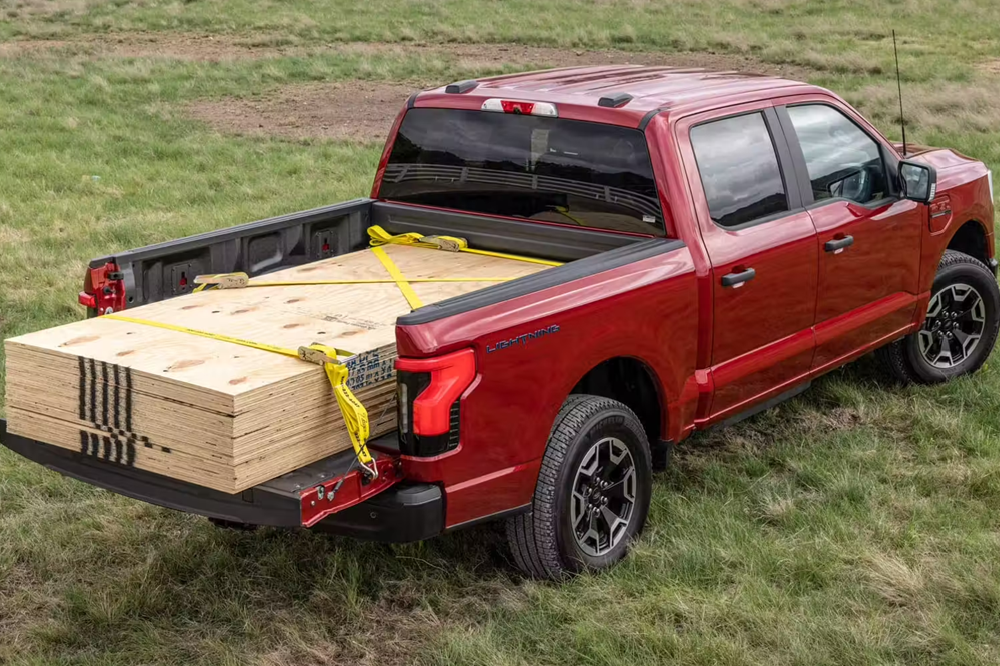
When searching for a reliable vehicle that can handle heavy-duty tasks in Albuquerque, understanding payload capacity is key. Whether you’re hauling equipment for work, carrying recreational gear, or planning a weekend adventure, knowing how much weight your truck can safely carry is essential. For those exploring options,trucks for sale ABQ offer a variety of models designed to suit different payload needs. In this guide, we’ll explain what payload capacity means, why it matters, how to evaluate trucks based on their payload ratings, and tips for selecting the best truck for your lifestyle and work requirements.
What Is Payload Capacity?
Payload capacity refers to the maximum weight a truck can carry safely, including passengers, cargo, and any aftermarket accessories. This is different from towing capacity, which measures how much weight a vehicle can pull behind it, such as trailers or boats. Payload is focused strictly on what the truck itself can support in its bed and cabin without compromising safety or performance.
Manufacturers calculate payload capacity based on factors like gross vehicle weight rating (GVWR), the truck’s curb weight, suspension, axles, and chassis strength. Knowing the payload capacity ensures that you do not overload your truck, which could lead to mechanical issues, decreased fuel efficiency, or even accidents.
Why Payload Capacity Matters
Payload capacity affects several aspects of truck ownership:
Safety: Exceeding payload limits can strain brakes, suspension, and tires, increasing the risk of accidents. Maintaining weight within limits ensures predictable handling and braking performance.
Performance: Overloading reduces acceleration, increases stopping distances, and can negatively impact fuel economy. Payload ratings help you choose a truck that performs reliably under real-world conditions.
Longevity: Trucks that regularly carry weight within their payload capacity tend to experience fewer mechanical problems and longer service life. Choosing a truck with the right rating protects your investment over time.
Versatility: Understanding payload allows you to pick a vehicle that meets your specific needs, whether that’s hauling construction tools, landscaping equipment, or outdoor recreational gear.
How Manufacturers Determine Payload
Truck manufacturers use precise engineering methods to establish payload capacity. This process starts with determining the GVWR, which represents the total weight a fully loaded vehicle can safely handle, including the vehicle itself, passengers, and cargo.
Next, the truck’s curb weight—the weight of the truck without passengers or cargo—is subtracted from the GVWR. The remaining figure is the payload capacity. Additional factors such as suspension type, axle ratings, tire specifications, and frame strength are also considered, as they influence how much weight the truck can carry without damage.
Knowing the payload rating from the manufacturer provides a reliable baseline, but truck owners should always account for optional equipment or modifications that may affect actual capacity.
Common Payload Ratings for Trucks
Payload capacities vary widely depending on truck size and model. Here’s a general overview:
Compact Trucks: Vehicles like the Toyota Tacoma or Ford Ranger often have payload capacities ranging from 1,200 to 1,500 pounds. These trucks are ideal for light-duty hauling and smaller work projects.
Full-Size Light-Duty Trucks: Trucks such as the Ford F-150, Chevrolet Silverado 1500, and Ram 1500 typically carry between 1,500 and 3,000 pounds, depending on configuration and trim level. These trucks strike a balance between everyday usability and moderate payload capacity.
Heavy-Duty Trucks: Models like the Ford F-250/F-350 or Chevrolet Silverado 2500/3500 are designed for serious work. Payloads can exceed 4,000 pounds on some configurations, making them suitable for professional contractors, landscapers, and others who routinely haul heavy loads.
By understanding typical payload ranges, buyers can match their truck choice to their specific hauling needs.
Factors That Influence Payload Capacity
Several elements affect a truck’s payload rating, including:
Cab and Bed Configuration: Trucks with extended or crew cabs often have slightly lower payloads because additional seating increases curb weight. Bed length can also impact how weight is distributed.
Engine and Drivetrain: Trucks with larger engines or four-wheel-drive systems may carry slightly less payload due to added weight from driveline components.
Suspension and Axle Strength: Heavy-duty suspensions and reinforced axles increase payload capacity. Upgraded suspension packages are common in trucks designed for commercial use.
Optional Equipment: Adding aftermarket accessories like toolboxes, bed liners, or camper shells increases the truck’s curb weight, effectively reducing payload capacity. Always account for these additions when calculating usable payload.
How to Calculate Your Real-World Payload
To determine your truck’s real-world payload, follow these steps:
- Find the GVWR: Check the manufacturer’s label inside the driver-side door or the owner’s manual.
- Determine curb weight: This information is also in the manual or available online for your specific model.
- Subtract curb weight from GVWR: The difference equals your payload capacity.
- Adjust for passengers and accessories: Subtract the weight of passengers and any permanent equipment to determine remaining payload.
By doing this calculation, you can avoid overloading and ensure your truck remains safe and efficient.
Payload vs Towing: Understanding the Difference
While payload is the weight your truck can carry, towing capacity measures how much your vehicle can pull behind it. Towing involves different stresses on the engine, transmission, and chassis. Overloading a truck with too much payload can reduce towing performance, so it’s important to consider both ratings when planning a heavy-duty trip.
For example, if you plan to tow a trailer while carrying a full load of tools or recreational equipment in your truck bed, make sure your truck’s payload plus the trailer’s tongue weight does not exceed the GVWR.
Choosing the Right Truck Based on Payload Needs
When shopping for trucks for sale in Albuquerque, evaluate how you plan to use the vehicle:
- Light-duty hauling: Compact or mid-size trucks are often sufficient. They offer easier maneuverability and better fuel economy.
- Moderate work: Full-size light-duty trucks handle residential construction, landscaping, or small business tasks without issue.
- Heavy-duty applications: Large trucks like the F-350 or Silverado 3500 are suitable for frequent heavy loads, towing, and commercial use.
By matching the truck to your intended workload, you maximize safety, efficiency, and satisfaction with your purchase.
Tips for Maintaining Payload Performance
Even the best truck can face issues if overloaded or poorly maintained. Follow these tips to ensure your truck performs safely at its rated payload:
- Check tire pressure regularly: Overloaded tires can wear unevenly or fail.
- Inspect suspension components: Leaf springs, shocks, and struts should remain in good condition.
- Avoid exceeding limits: Stick to the manufacturer’s payload rating, accounting for passengers and accessories.
- Distribute weight evenly: Keep cargo centered in the bed to avoid handling issues.
- Regular maintenance: Oil changes, brake inspections, and transmission checks keep your truck running reliably under load.
Proper care ensures that your truck continues to deliver the payload performance you expect.
Conclusion
Understanding payload capacity is essential when shopping for trucks in Albuquerque. It affects safety, performance, and longevity, while helping you select the right truck for your lifestyle or business needs. By knowing how to calculate payload, differentiating it from towing, and matching your truck to your real-world hauling requirements, you can make a smart, confident decision. With proper preparation and awareness, your next truck will be ready to handle every job or adventure with safety and efficiency.