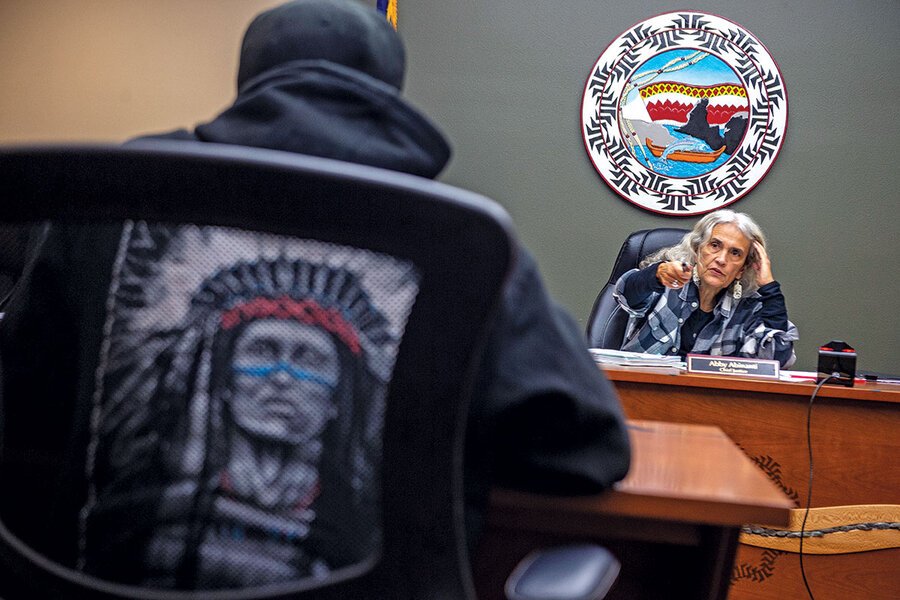
The U.S. has a very complex legal system, which includes federal, state, and tribal courts. Although many people are aware of the federal and state court systems, many are not as familiar with tribal courts. But they play a very important role in the justice that is provided in Native American communities. Among them, the Creek Nation Court is a case study of how tribal courts function within the scope of tribal sovereignty at the same time they interface with the larger legal systems.
Tribal Courts and Their Authority
Tribal courts, which are judicial in nature, are created by Native American tribes to deal with issues within their jurisdiction. These courts get their authority from the tribes’ inherent sovereignty. Sovereignty is the right of tribes to run their own affairs, to determine how they are to be managed, and to put in place their own legal systems. This right pre-dates the founding of the United States and has been recognized through treaties, federal laws and court decisions.
Unique Jurisdiction of Tribal Courts
Each tribal court has its own character, which is a product of the tribe’s particular heritage, culture and form of government. Some tribal courts put forth 20th-century documents on which they base their decisions, while others mix in modern legal practices with traditional laws. They handle mostly civil issues, family law and probate and contract disputes and also see to certain criminal cases that affect tribal members.
In the case of tribal courts, one very important element is that they have authority over issues that take place within reservation borders. That which determines jurisdiction may include whether the parties in question are tribal members, non-members or businesses that operate on tribal land. In civil cases, tribal courts usually have that which is known as subject matter jurisdiction over disputes between tribal members and issues that play out within tribal territory. In criminal cases, jurisdiction issues are more complex, which in large part is due to federal laws like the Major Crimes Act and the Violence Against Women Act, which put out how criminal authority is divided between tribal, federal and state governments.
Creek Nation Court: A Case Example
The Muscogee (Creek) Nation Government has a judicial branch, which is seen in the Creek Nation Court. Also, like other tribal courts, this one provides a forum that is structured and in which individuals may present issues related to dispute resolution, seek out protection orders, address child custody issues and also take care of other civil and criminal proceedings. Also, it is seen with tribal courts that there is a focus on restorative justice, which is aimed at repairing the harm done and at restoring relationships within the community instead of just doling out punishment.
Tribal court structures are also seen as multi-tiered. In these, trial courts present evidence, assess witness credibility and issue rulings. Appellate courts review decisions of the lower courts to check that the laws were applied as they should have been and that the due process of law was in fact followed. This two-stage structure in many ways mirrors the U.S. court system but at the same time is very much based in tribal authority and law.
Protecting Rights Within Tribal Courts
Another key role of tribal courts is that of protecting tribal members’ rights. As do state and federal courts, which protect what is laid out in the Constitution, tribal courts see to the enforcement of what is presented in tribal constitutions and the Indian Civil Rights Act. This includes issues like due process, equal protection and freedom from unreasonable searches and seizures. By running their own judicial branches, out of which these courts operate, tribes also put forth their autonomy and see to it that legal issues are addressed within a cultural context.
Tribal courts play a role in working with state and federal courts through the principles of comity and cooperation. Comity is the practice of one court’s recognition of the judgment of another. For example, a state court may recognize a tribal court’s decision in some cases and that is reciprocated. This cooperation, which in turn supports stability and predictability, plays a large role in family law issues like child custody and adoption. The Indian Child Welfare Act is very much a player in how state and tribal courts work together in cases of Native American children.
Economic and Commercial Role of Tribal Courts
Economic development has brought about a greater role for tribal courts. As tribes grow their business enterprises, enter into contracts and form partnerships, the need for a reliable judicial system grows. Tribal courts are a forum for the resolution of commercial disputes and the enforcement of agreements. Transparent legal processes support investment and foster growth within tribal communities.
Technology also has a role in how tribal courts function. Many tribal courts are using electronic filing systems, remote hearings and putting case info online. These changes increase access for people who may live far from the court or have limited transport options. At the same time, courts are also very much into preserving traditional values and community-based approaches to justice.
Importance of Education and Public Awareness
Education and public information is the base for building knowledge of tribal courts. It is true that these courts function in a separate sovereign setting, which at times may cause misconceptions about what they do and how they do it. In fact, tribal courts are recognized by federal law as legitimate judicial entities. They run on written codes by established procedural rules, which are made public and also have processes for appeal and review.
In the case of the Creek Nation Court presence, tribal governance is seen as very much an active thing. Tribal courts do not play a symbolic role only; instead, they are very much involved in the day-to-day issues of rights enforcement, dispute resolution and upholding of community standards. They are living proof that Native nations do in fact have the authority to run their own justice systems within their own territories.
Tribal Courts and Their Role in the Legal Landscape
In large part, tribal courts add to the diversity that characterizes the American legal spectrum. They are an element of the coexistence of many sovereign systems in one nation. Through the study of tribal courts, individuals see into the complex structure of U.S. law and the persistent relevance of tribal sovereignty.
As awareness of the issue grows, these courts are valued more for the role they play in the betterment of communities, in the preservation of cultural values and in the administration of justice. Tribal courts are a key element of the country’s legal structure, which also presents justice systems that honor tradition as much as modern legal principles.