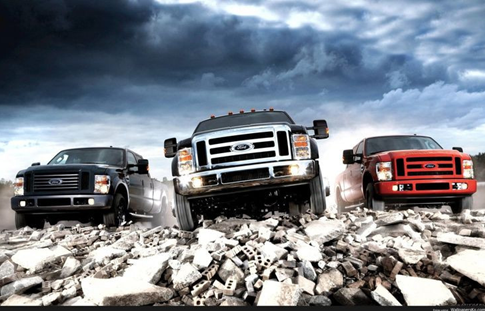
When you’re exploring the wide world of vehicles in the Lone Star State — from city streets in Austin to rural highways outside Lubbock — understanding what makes a vehicle truly capable and comfortable is key. Whether you’re buying a truck for work, an SUV for family adventures, or a sedan for daily driving, each vehicle comes with a unique set of features that enhance performance, safety, comfort, and convenience. For Texans who want to find the ideal ride with the features that matter most, a great place to start is by checking out options at Dodge Ram Texas. In this guide, we’ll walk through the most important vehicle features explained — from powertrain technology to advanced safety systems — so you know exactly what to look for when choosing your next car, truck, or SUV.
What Defines a Vehicle’s Core Features
Every vehicle has a set of foundational features that determine how it performs, how safe it is, how comfortable it feels, and how efficiently it operates. These features are grouped into broad categories — performance, safety, technology, comfort, and utility — and each influences your overall driving experience. Understanding them helps you compare models more effectively and choose a vehicle that matches your lifestyle and priorities.
Performance Features: Powertrain, Drivetrain, and Towing
Performance features are at the heart of what a vehicle can do. The powertrain — which includes the engine and transmission — determines how much power and torque your vehicle produces. In Texas, where long distances and heavy towing are common, performance features like strong engines, capable drivetrains, and advanced transmissions are crucial.
Most modern vehicles offer a range of engine options, from fuel‑efficient four‑cylinders to powerful V6s and V8s. Trucks and performance cars may also offer turbocharging or supercharging for extra power. The drivetrain — either two‑wheel drive (2WD), all‑wheel drive (AWD), or four‑wheel drive (4WD) — dictates how power is delivered to the wheels. AWD suits varied road conditions and light off‑road use, while 4WD is ideal for heavy off‑road driving or rugged terrain, which many Texas drivers encounter when hauling equipment or exploring rural areas.
Towing capacity is another key performance metric, especially for pickup owners. Vehicles equipped with stronger engines, reinforced frames, and integrated trailer brake controllers make towing safer and easier. Payload ratings — how much weight a truck bed can carry — are also important. Heavy‑duty trucks often have higher ratings, giving you the confidence to haul tools, trailers, and gear for work or recreation.
Safety Features: Keeping You Protected on the Road
Safety features protect you and your passengers by preventing accidents and minimizing injury if a collision occurs. Modern vehicles come with a suite of standard and optional safety technologies designed to assist drivers in real‑time.
One of the most talked‑about safety advancements is advanced driver‑assistance systems (ADAS). These include features such as automatic emergency braking (AEB), lane departure warning (LDW), lane keeping assist (LKA), adaptive cruise control (ACC), and blind spot monitoring (BSM). AEB can detect pedestrians and other vehicles ahead and apply the brakes if you fail to react in time. LDW and LKA help keep your vehicle centered in its lane, reducing the risk of unintended drifting. ACC maintains a set following distance from the car ahead, reducing fatigue during highway cruising.
Blind spot monitoring and rear cross‑traffic alert systems help you change lanes and back out of parking spots more safely by alerting you to unseen vehicles. Some vehicles also feature 360‑degree camera systems that provide a bird’s‑eye view, making tight maneuvers easier and safer.
Crash‑sensing features like multiple airbags, reinforced safety cages, and active head restraints are standard in most new vehicles and work behind the scenes to protect occupants during impacts. Safety ratings from organizations like the IIHS and NHTSA provide additional insight into how a vehicle performs in crash tests, helping buyers compare safety across models.
Technology Features: Connectivity, Infotainment, and Convenience
Technology features improve your daily experience by keeping you connected, informed, and entertained. The centerpiece of many modern dashboards is the infotainment system, which typically includes a touchscreen display with access to navigation, media, smartphone integration (like Apple CarPlay and Android Auto), and vehicle settings.
Voice‑activated controls allow you to make calls, send messages, or change music without taking your eyes off the road. Bluetooth connectivity pairs your phone for hands‑free communication, while USB ports and wireless charging pads keep devices powered up.
Navigation systems with real‑time traffic updates help you avoid delays, and built‑in Wi‑Fi hotspots allow passengers to stay connected on the go. Some vehicles offer premium audio systems with multiple speakers and advanced tuning for immersive sound — a nice touch for long drives through Texas terrain.
Convenience technology also extends to keyless entry, push‑button start, remote start (great for heating or cooling the cabin before you drive), and digital instrument clusters that display vital information clearly and responsively.
Comfort and Interior Features: Making Every Drive Enjoyable
Comfort features influence how you feel behind the wheel and during long journeys. Seat quality, material choices, climate control, and cabin layout all contribute to a vehicle’s overall comfort level.
Leather seating, heated and ventilated seats, and power‑adjustable seats with memory settings are common in higher trims. Multi‑zone climate control allows different temperature settings for the driver and passengers, which is especially helpful during hot Texas summers. Rear seats with reclining features, sunshades, and additional legroom make longer rides more pleasant for passengers.
Interior lighting, noise‑insulating materials, and panoramic sunroofs also add to cabin comfort. Storage solutions — such as center console bins, door pockets, and under‑seat compartments — help keep the interior organized and clutter‑free.
Utility Features: Cargo, Storage, and Practical Design
Utility features determine how well a vehicle can meet your practical needs. Cargo space — both in the trunk and behind rear seats — matters for groceries, luggage, sports gear, and more. SUVs and crossovers typically offer flexible cargo areas with fold‑flat rear seats, allowing you to carry larger items when needed.
Pickup trucks enhance utility with features like spray‑in bed liners, adjustable tie‑down hooks, cargo ramps, and multifunction tailgates. Some truck beds even include built‑in storage compartments and power outlets to support work tools or outdoor equipment.
Roof racks and tow hitch packages add versatility for adventurers carrying bikes, kayaks, or trailers. In everyday driving, features like rear seat folding mechanisms and under‑floor storage help maximize usable space without sacrificing passenger comfort.
Fuel Economy and Efficiency Features
Fuel economy is an important part of vehicle features because it affects ongoing costs and environmental impact. Many modern vehicles offer engine technologies and systems designed to optimize fuel efficiency without sacrificing performance.
Features like turbocharging allow smaller engines to produce strong power while using less fuel. Cylinder deactivation lets a V8 engine run on fewer cylinders during light‑load driving, improving efficiency on highways. Stop‑start systems automatically shut off the engine when the vehicle is idle — such as at a traffic light — and restart when you press the accelerator, reducing wasted fuel.
Hybrid and electric powertrains take efficiency a step further. Hybrid vehicles combine gasoline engines with electric motors, offering excellent city fuel economy. Fully electric vehicles (EVs) eliminate gasoline use altogether and provide smooth, quiet driving with instant torque. In Texas, where distances are long but charging infrastructure is growing, EVs and hybrids are increasingly practical choices.
Advanced Off‑Road and Trail Features
For drivers who spend time off‑road or exploring rugged terrain — whether in West Texas canyons or Hill Country trails — specific performance features can make a big difference. These include:
- Off‑road suspension packages with reinforced components and increased wheel travel
- Skid plates that protect the underbody
- All‐terrain tires for better grip on dirt, rock, or mud
- Locking differentials that improve traction on uneven surfaces
- Terrain management systems that adjust engine, transmission, and traction settings for specific conditions
Vehicles equipped with these features give drivers confidence when navigating challenging terrain and expand the possibilities for adventure.
Conclusion
Understanding vehicle features — from performance and safety to technology, comfort, and utility — helps you make smarter decisions when choosing your next ride in Texas. Whether you’re hauling equipment for work, navigating busy city streets, planning family road trips, or tackling off‑road trails, knowing how each feature contributes to your driving experience empowers you to find the perfect vehicle. With the wide range of options available today, there’s truly something for every driver and every need. By familiarizing yourself with these core features, you’ll be well equipped to compare models and choose a vehicle that enhances your lifestyle and delivers satisfaction mile after mile.