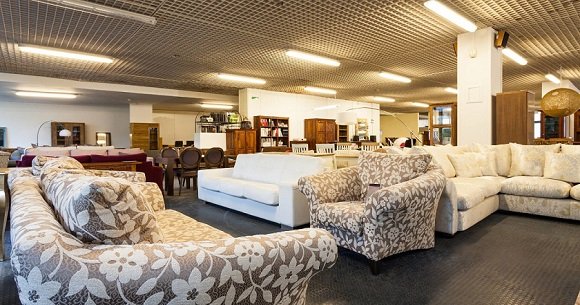
Walk into any massive showroom in Northern Nevada on a Tuesday morning, and you’ll likely find a quiet, cavernous space filled with thousands of sofas, dining sets, and bedroom suites. It looks permanent, almost like a museum of home decor. But the reality is that the furniture industry is a high-speed game of musical chairs. Floor space is the most expensive asset a retailer has, and every day a sectional sits unsold, it’s costing the business money.
So, what actually happens when a piece doesn’t find a home? In a market like Reno, where tastes shift between “mountain modern” and “high-desert traditional,” the journey of an unsold dresser is more complex than just getting tossed in a dumpster. It involves a strategic descent through a series of markdowns, secondary markets, and occasionally, a generous tax write-off.
The First Line of Defense: The Clearance Tag
Before a piece of furniture is ever moved out of the main showroom, it undergoes the “red pen” treatment. Retailers track “days on floor” with clinical precision. If a sofa hasn’t moved in 60 to 90 days, it’s officially an underperformer.
The Psychology of the Floor Sample
Retailers would much rather sell a piece at a 20% loss than pay to ship it back to a warehouse. This is where the “Floor Sample” sale comes in. You’ve probably seen these tagged with bright stickers. These pieces are often in perfect condition, minus a few people sitting on them or a tiny scuff from a vacuum cleaner. For the store, it’s about liquidating the physical item to make room for the new spring or fall collection that’s already sitting on a shipping container in a port somewhere.
Moving to the “Back Room”
If a markdown on the main floor doesn’t do the trick, the item is physically moved. Many larger outlets have a designated clearance corner or a “scratch and dent” section. This is a psychological tactic as much as a logistical one. By moving the item away from the polished, perfectly lit vignettes, the store signals to the customer that they are now in “bargain hunting” territory.
The Role of Regional Liquidation Hubs
Reno is unique because we aren’t just a small mountain town; we are a major logistics hub. This means we have access to massive regional players like RC Willey, who have the warehouse capacity to move unsold inventory around like a giant chess set.
If a mid-century modern bed frame isn’t selling in a furniture store in Reno, the inventory system might show it’s a hot seller in Salt Lake City or Boise. Instead of slashing the price to zero, the company might simply truck it to a market where the local aesthetic is a better match. This “inventory balancing” is the secret reason why you’ll see certain styles disappear overnight, even if they weren’t marked down.
The “As-Is” Warehouse Strategy
When a piece is truly stubborn—maybe it has a minor structural flaw or a discontinued fabric—it gets sent to a centralized clearance center. These are usually high-volume, low-frills warehouses where the goal is 100% turnover. Everything is sold “as-is,” and once it’s gone, it’s gone. For the retailer, this is the last chance to recoup the wholesale cost of the item before it becomes a total loss.
The Relatable “Almost” Purchase
We’ve all been there. You spot a gorgeous, overstuffed leather armchair. It’s a bit pricey, so you decide to “think about it” for a week. You go back the following Saturday, and not only is the chair gone, but the entire display has been replaced by a minimalist dining set.
You ask the salesperson where it went, and they give you a vague answer about “warehouse rotation.” In reality, that chair likely hit its 91st day on the floor and was whisked away at 6:00 AM to a liquidation auction or a different regional showroom. In the furniture world, if you aren’t moving, you’re losing.
Where the “Unsellable” Items Go
Sometimes, furniture just won’t sell. Maybe the color was a disaster, or the scale was so awkward that it wouldn’t fit through a standard Nevada doorway. When an item fails to sell even at a deep discount in a clearance center, retailers have three main paths:
1. The Secondary Market and Jobbers
There is an entire industry of “jobbers”—companies that buy unsold inventory by the truckload for pennies on the dollar. These items eventually end up at deep-discount liquidators or online “overstock” sites. You might find that same Reno showroom sofa on a national website six months later, rebranded and sold at a “70% off” flash sale.
2. Charity and Community Staging
Many local Reno retailers have partnerships with non-profits or housing programs. It’s often better for a company’s brand (and their taxes) to donate a set of slightly scuffed mattresses or desks to a local shelter or a “furniture bank” than to pay for disposal.
3. Staging Companies
Ever wonder where real estate stagers get those perfectly coordinated living room sets for $2 million South Reno mansions? They often buy “retired” floor samples from major retailers. Since the furniture only needs to look good in photos and during a 20-minute open house, minor imperfections don’t matter.
Why You Should Care About the Cycle
Understanding this cycle turns you into a much more powerful shopper. If you know that most stores rotate their inventory every 90 days, you can time your visits to catch the “transition” periods.
- Shop the “Shoulder” Seasons: Late winter (February) and late summer (August) are prime times for inventory shifts.
- Inspect the Back Corners: Always ask if there is an “as-is” section that isn’t prominently advertised.
- Negotiate on Floor Samples: If you see a piece that’s been there for a while, don’t be afraid to ask for a “floor sample discount.” The manager might be desperate to clear that square footage.
A Quick Guide to Buying Clearance
- Bring a Flashlight: Showroom lighting is designed to hide flaws. Use your phone light to check for fabric pills or wood scratches.
- Test the Mechanics: If it’s a recliner or a sleeper sofa, open it five times. Unsold items are sometimes unsold because the mechanism is “fussy.”
- Check the Build Date: Look for the manufacturer’s sticker under the dust cover. If it was made more than a year ago, you have serious leverage for a discount.
The Reality of Retail Space
At the end of the day, a furniture showroom is a stage. Every “character” on that stage has a limited contract. Whether it’s moving to a liquidation warehouse, being donated to a family in need, or ending up in a “jobber” truck headed for another state, the furniture is always on the move.
The next time you’re walking through a local gallery, remember that you’re looking at a snapshot in time. Those pieces are essentially “renting” that floor space, and if they don’t pay their rent by getting sold, they’ll be evicted to make room for the next big trend.
If you’re currently hunting for a deal, why not try visiting your favorite local spot on a weekday morning and asking the manager which pieces are reaching their “90-day limit”? You might just walk away with a high-end piece for a fraction of the sticker price.
Would you like me to help you create a checklist of specific things to inspect when buying a “floor sample” or clearance item?