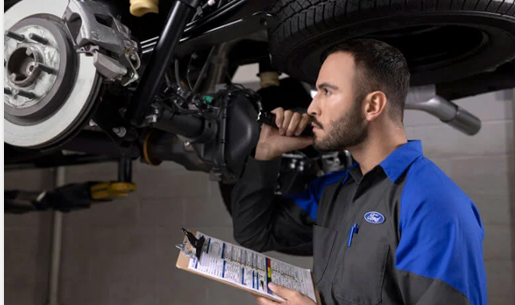
Owning a fleet of Ford commercial trucks can be a major asset for any business, whether you’re transporting goods, providing services, or supporting construction projects. These vehicles are built for durability and performance, but like any hardworking truck, they require proper care to stay reliable and efficient on the road. For businesses looking to expand or upgrade their fleet, exploring Ford commercial trucks for sale can be a great first step toward long-term success. To protect your investment and avoid costly downtime, proactive maintenance and a structured service schedule are essential.
Understand Your Manufacturer’s Service Schedule
Every Ford commercial truck comes with a manufacturer-recommended maintenance schedule. This is not a suggestion but a roadmap designed by Ford engineers to maximize your truck’s lifespan and performance. The service schedule typically outlines when to perform fluid changes, filter replacements, inspections, and major system checks based on mileage and time intervals.
Consult the owner’s manual or digital service guide for your specific model, and create reminders for key checkpoints like oil changes, transmission service, cooling system checks, and brake inspections. Staying on schedule means fewer surprises and a more dependable vehicle overall.
Regular Oil and Filter Changes
One of the most basic yet vital maintenance tasks for any engine is frequent oil and filter changes. Engine oil lubricates moving parts, reduces friction, and helps regulate temperature. Over time, oil breaks down and becomes contaminated, reducing its effectiveness.
For commercial trucks that frequently operate under heavy loads or long hours, sticking to the recommended oil change interval is crucial. Always use the type and grade of oil specified by Ford, and replace the oil filter with each service to ensure peak engine performance and extended engine life.
Monitor and Maintain Fluid Levels
Fluids are the lifeblood of any heavy-duty truck. Beyond engine oil, your Ford commercial truck relies on several other fluids to operate smoothly:
• Transmission fluid: Keeps gears cool and shifting smooth.
• Coolant/antifreeze: Regulates engine temperature and prevents overheating.
• Brake fluid: Ensures proper brake pressure and response.
• Power steering fluid: Supports responsive and easy steering control.
• Differential and axle fluids: Lubricate drivetrain components.
Check these regularly and top them off as needed. Contaminated or under-filled fluids can lead to overheating, premature wear, and expensive repairs.
Inspect Brakes Frequently
Brakes are one of the most critical safety systems on any commercial vehicle. Ford trucks often carry heavy loads, which means brakes must work harder than on passenger cars. Regular brake inspections help detect worn pads, warped rotors, leaking brake lines, or low brake fluid before they become serious issues.
Listen for unusual noises like squealing or grinding, and test brake responsiveness. If you notice increased stopping distances or a soft brake pedal, have the system evaluated immediately. Replacing worn brake components early keeps your fleet safe and reduces the risk of roadside emergencies.
Tire Care and Alignment
Tires are not only essential for road contact but also have a direct impact on fuel economy, handling, and safety. For commercial trucks, tire maintenance includes:
• Checking tread depth: Worn tires lose traction and increase the risk of blowouts.
• Monitoring tire pressure: Underinflated tires increase rolling resistance and can lead to overheating.
• Inspecting for uneven wear: This may signal alignment or suspension issues.
• Rotating tires regularly: Helps ensure even wear and prolong tire life.
Properly aligned wheels help reduce tire wear and improve fuel efficiency. If your truck pulls to one side or you notice vibrations at highway speeds, have an alignment check performed.
Keep the Cooling System in Top Shape
Commercial trucks generate a significant amount of heat, especially under load or in hot climates. The cooling system—including the radiator, thermostat, water pump, hoses, and coolant—is critical to preventing overheating.
Check coolant levels often, inspect hoses for cracks or leaks, and replace any worn components before they fail. It’s also a good idea to flush the cooling system according to the manufacturer’s schedule to keep it free of debris and contaminants.
Electrical System Checks
Modern commercial trucks have complex electrical systems that power everything from starter motors to lighting and infotainment systems. A weak battery or corroded connection can lead to troublesome breakdowns—especially when reliability matters most.
Test your battery’s charge, inspect terminals for corrosion, and verify that all lights and wiring harnesses are secure. Address any flickering lights, slow starts, or electrical anomalies promptly to avoid inconvenient interruptions in service.
Inspect Suspension and Steering Components
The suspension and steering systems play a major role in ride quality, safety, and load handling. Commercial trucks often carry uneven or heavy loads that can wear suspension parts faster than expected. Regular inspections should include:
• Shock absorbers and struts: Look for leaks or diminished damping.
• Ball joints and tie rods: Ensure there’s no excessive play.
• Leaf springs or air springs: Check for cracks, sagging, or wear.
A well-maintained suspension keeps the truck stable, reduces driver fatigue, and ensures predictable handling—even under load.
Clean and Maintain the Exhaust System
The exhaust system helps control emissions and engine efficiency. Over time, components such as catalytic converters, mufflers, and exhaust pipes can corrode or develop leaks. A damaged exhaust system can increase noise, reduce performance, and even allow harmful gases to enter the cab.
Inspect for rust, holes, loose hangers, or unusual noise. A clean, functioning exhaust system not only improves fuel economy but also helps your truck stay compliant with emissions regulations.
Prioritize Regular Professional Inspections
While routine checks can be performed by fleet owners or drivers, professional inspections bring technical expertise and specialized tools to the table. Certified technicians can detect issues that might not be obvious during casual checks. They can perform:
• Comprehensive diagnostic scans
• Drivetrain evaluations
• Emissions system tests
• Detailed brake and suspension assessments
Scheduling regular service appointments with trained professionals helps uncover hidden problems early, saving you time and money.
Document Everything
Keeping detailed maintenance records is one of the most effective ways to manage a fleet. Good documentation helps you track what’s been serviced, what needs future attention, and when replacements are due. Records also boost resale value when you decide to sell or trade in trucks, proving that the vehicles were maintained responsibly.
Use digital logs or fleet management software to record dates, mileage, parts replaced, costs, and technician notes. Organized records lead to better planning and fewer surprises.
Train Drivers on Basic Checks
Your drivers are on the road every day, which makes them invaluable partners in keeping trucks in good working order. Encourage drivers to perform quick daily checks such as:
• Tire pressure
• Fluid levels
• Lights and signals
• Windshield wipers
• Unusual engine sounds
Training drivers to spot potential issues early helps prevent minor problems from escalating, keeping your fleet safer and more efficient.
Stay Ahead with Preventive Maintenance
Preventive maintenance is proactive rather than reactive. Don’t wait for warning lights or engine problems to appear before acting. Replace belts, filters, hoses, and other wear-items on a schedule rather than only when they fail. This mindset reduces downtime, extends vehicle life, and optimizes performance.
Conclusion
Ford commercial trucks are engineered for durability and heavy use, but even the toughest vehicles need proper maintenance and care. By following a structured service plan that includes regular oil changes, fluid checks, brake inspections, tire care, and professional diagnostics, you can keep your trucks running reliably and efficiently. Training drivers to perform quick daily assessments, documenting all maintenance work, and using preventive service strategies will save time and money while boosting performance. Whether you operate a single truck or manage an entire fleet, smart maintenance practices help protect your investment, extend vehicle life, and ensure you stay productive on the road.