Energy is closely tied to almost every part of the U.S. economy, from household spending and transportation to manufacturing and technology. As oil, natural gas, electricity, and renewable energy markets evolve, the effects are being felt well beyond the energy industry itself.
Energy Prices Still Reach Almost Every Corner of the Economy
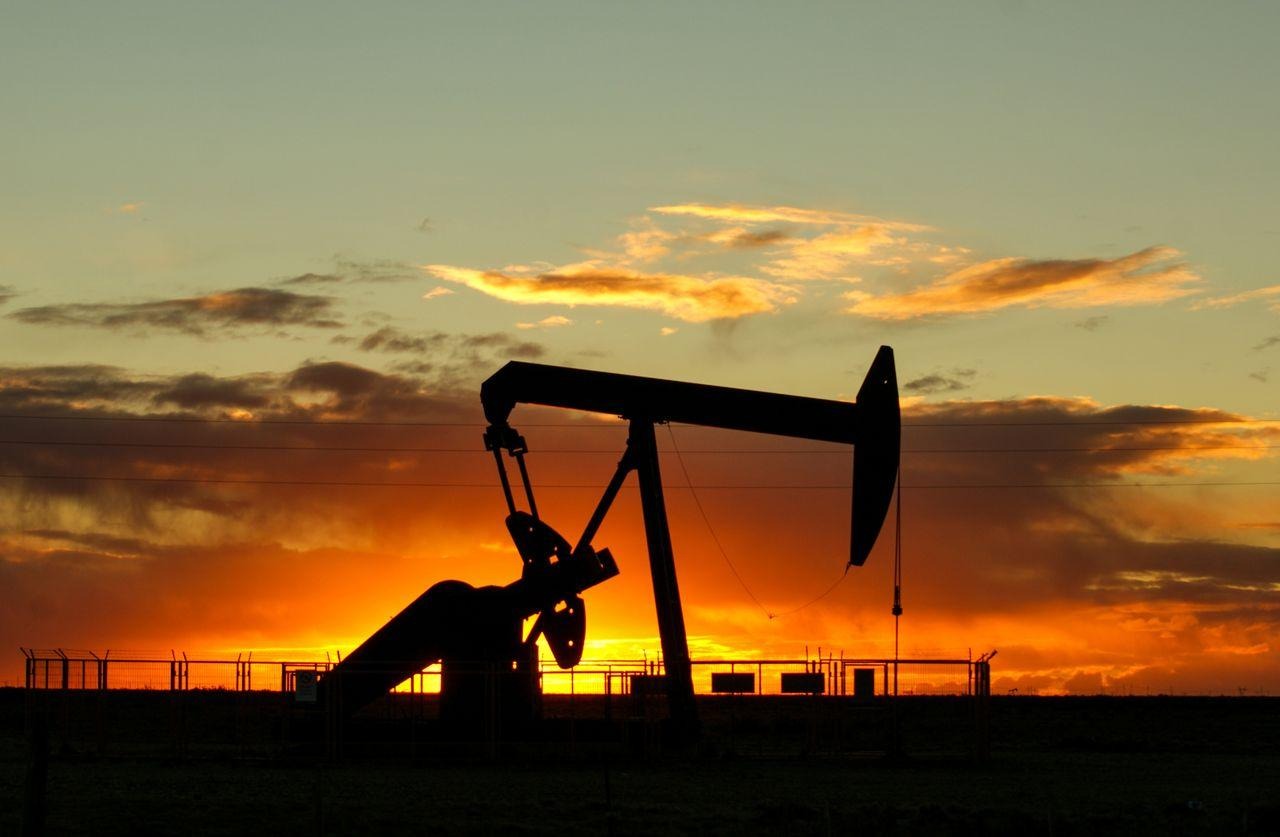
The United States has a much broader mix of energy sources than it did a generation ago, but oil remains economically important. Changes in crude prices quickly influence gasoline, transportation, shipping, and the cost of producing many everyday goods.
That is one reason businesses and investors continue to pay attention to an oil price forecast when thinking about the direction of the economy. The price of oil does not simply determine what drivers pay at the pump. A sustained increase can make it more expensive to move food across the country, operate construction equipment, fly passengers, manufacture plastics, and deliver online orders.
For households, the effect can be surprisingly direct. If a family suddenly spends an additional $50 or $100 each month on gasoline, that money may come out of its restaurant, entertainment, or shopping budget. Multiplied across millions of households, changes in energy costs can influence consumer spending.
Companies face a similar calculation. A trucking company or airline cannot easily avoid fuel expenses. When those costs rise sharply, businesses must decide whether to absorb them, reduce spending elsewhere, or pass part of the increase to customers.
America Is Also an Energy Producer
There is another side to the story. Higher energy prices do not affect the modern U.S. economy in quite the same way they once did because the country is also a major producer of oil and natural gas.
Energy-producing regions can benefit when prices support greater production and investment. Producers may spend more on drilling, equipment, transportation, and workers. That activity supports other businesses, including engineering firms, manufacturers, construction companies, and local service providers.
The U.S. also has a growing role in international energy markets. Oil, refined petroleum products, and liquefied natural gas can be exported to customers overseas. This means developments in Europe, Asia, and the Middle East can create opportunities as well as risks for American energy companies.
The result is a complicated economic relationship. Expensive oil may hurt drivers and transportation-dependent businesses while simultaneously improving conditions for some domestic producers.
Electricity Demand Is Becoming a Bigger Economic Issue
Oil tends to attract the most attention, but electricity is becoming increasingly important to discussions about U.S. economic growth.
For years, American electricity demand changed relatively slowly. That picture is beginning to shift. Data centers, artificial intelligence, advanced manufacturing, and the continued electrification of parts of the economy are creating new sources of demand. The U.S. Energy Information Administration expects data centers to be an important driver of longer-term electricity consumption.
This creates both opportunities and challenges. Utilities need to invest in generation capacity, transmission networks, and other infrastructure. Those projects can support jobs and investment, but they also require enormous amounts of capital.
Electricity availability may increasingly influence where businesses choose to expand. A region with reliable power, available grid capacity, and competitive electricity costs could have an advantage when competing for a new factory or data center.
Natural Gas and Renewables Are Growing Together
The changing energy economy is not simply a competition between fossil fuels and renewable power. In practice, several energy sources are developing alongside one another.
Natural gas remains central to U.S. electricity generation, particularly when demand is high. At the same time, solar and wind are supplying a growing share of electricity. EIA projections show renewable generation, especially solar, contributing significantly to growth in U.S. electricity supply.
This changing mix has economic consequences of its own. Solar farms, battery projects, transmission lines, pipelines, and natural gas facilities all require investment. They also create demand for land, construction services, specialized equipment, engineers, technicians, and raw materials.
Energy infrastructure is therefore becoming an increasingly important part of the broader investment landscape rather than a separate corner of the economy.
Energy Can Complicate the Inflation Picture
Energy markets also matter to the Federal Reserve because sudden price increases can contribute to inflation. Higher gasoline and electricity bills directly affect household expenses, while increased transportation and production costs can gradually appear in the prices of other goods and services.
The Federal Reserve highlighted this connection in 2026 as higher energy prices contributed to increased inflation.
This can create a difficult situation for policymakers. Higher energy costs can put pressure on household budgets and slow spending while simultaneously pushing inflation upward. That combination makes decisions about interest rates more complicated.
A More Diverse but More Complicated Energy Economy
The U.S. energy system is becoming more diverse. Oil and natural gas remain economically significant, while solar, wind, batteries, and expanding electricity infrastructure are taking on larger roles.
That diversity can make the economy more flexible, but it does not eliminate exposure to global energy shocks. Oil prices, international conflicts, electricity demand, natural gas production, and investment in new generation capacity can all influence economic conditions.
For American households and businesses, energy is no longer just about the price of gasoline. It is increasingly connected to inflation, technology investment, manufacturing, trade, infrastructure, and where future economic growth takes place.