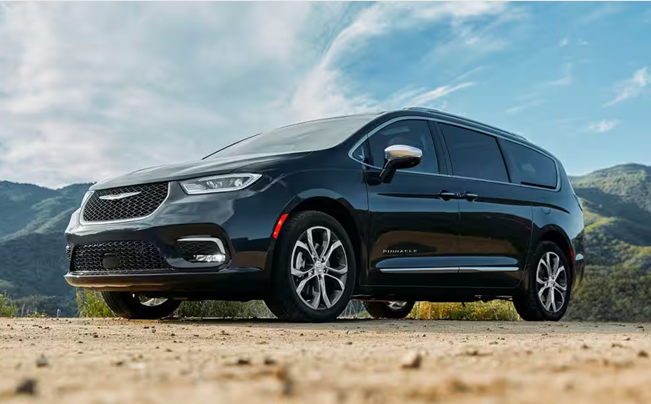
Leasing a car can be an appealing option for many drivers in Michigan. It allows you to drive a new vehicle every few years, often with lower monthly payments compared to buying, and gives you access to the latest technology and safety features. However, leasing is not the right choice for everyone, and understanding the details before signing a contract is essential. If you are considering a lease, exploring options through Ford dealer Utica, MI can help you make an informed decision and find the best vehicle for your needs.
Understanding How Leasing Works
Leasing is essentially a long-term rental agreement. When you lease a car, you are paying for the vehicle’s depreciation over the lease term, plus interest and fees, rather than paying for the full purchase price. Lease agreements typically last two to four years and come with mileage limits.
It’s important to know that at the end of the lease, you will either return the car or have the option to buy it for a predetermined price, known as the residual value. Understanding these key elements ensures that you are prepared for all potential outcomes.
Pros of Leasing a Car
There are several benefits to leasing, especially for drivers who like to change vehicles frequently or want access to the latest models:
- Lower Monthly Payments: Since you’re only paying for depreciation, monthly lease payments are usually lower than finance payments for a purchase.
- Drive Newer Vehicles: Leasing allows you to drive a new car with updated technology, safety features, and styling every few years.
- Reduced Maintenance Costs: Many lease terms coincide with the manufacturer’s warranty, so repairs are often covered, reducing out-of-pocket expenses.
- Flexible Upgrade Options: At the end of your lease, you can choose a new model, which keeps your driving experience fresh and modern.
These benefits make leasing attractive for many Michigan drivers, but it’s important to weigh them against the potential drawbacks.
Cons of Leasing a Car
Leasing isn’t without its downsides. Drivers should consider the following before committing:
- Mileage Restrictions: Most leases come with annual mileage limits, often ranging from 10,000 to 15,000 miles. Exceeding these limits can result in costly per-mile penalties.
- No Ownership: You do not own the car during the lease term, meaning you don’t build equity, and your payments contribute only to use, not ownership.
- Potential Fees: Returning a leased car with excessive wear and tear or at the wrong mileage can incur additional charges. Some leases also include disposition fees at the end of the contract.
- Early Termination Costs: Ending a lease early can be expensive, sometimes costing thousands of dollars, so it’s important to commit only if you plan to keep the car for the full term.
Understanding these limitations helps ensure that a lease aligns with your lifestyle and driving habits.
Important Lease Terms to Review
Before signing a lease agreement, it’s critical to carefully review the contract. Key terms to focus on include:
- Monthly Payment: Confirm that the monthly payment fits within your budget, and be aware of any additional fees or taxes.
- Residual Value: The residual value is the vehicle’s expected worth at the end of the lease. A higher residual value often results in lower monthly payments.
- Money Factor: This is similar to the interest rate on a loan. Understanding the money factor helps you determine the true cost of the lease.
- Mileage Limit: Make sure the mileage allowance meets your driving needs to avoid extra charges.
- Wear and Tear Policies: Review what constitutes excessive wear and tear, as definitions can vary between dealerships and leasing companies.
Being informed about these factors helps prevent surprises and ensures a smooth leasing experience.
Financial Considerations for Leasing
Leasing a car requires careful financial planning. While monthly payments may be lower than buying, there are other costs to consider:
- Down Payment: Some leases require a capitalized cost reduction, which is similar to a down payment. This can reduce monthly payments but is an upfront expense.
- Insurance: Lease agreements may require higher insurance coverage levels, including gap insurance, which covers the difference between what the car is worth and what you owe if it’s totaled.
- Taxes and Fees: Be aware of any state or local taxes, acquisition fees, and registration fees that may apply to the lease.
Understanding these financial aspects ensures you can comfortably manage your lease payments over the term.
How to Choose the Right Vehicle to Lease
Selecting the right car is essential for a positive lease experience. Consider the following factors:
- Daily Commute Needs: Choose a vehicle that suits your driving habits, whether it’s city commuting, long highway trips, or mixed use.
- Fuel Efficiency: Efficient models can save money on fuel and reduce your overall commuting costs.
- Comfort and Technology: Since you’ll be driving the car daily, prioritize comfort, convenience, and the latest safety and infotainment features.
- Resale Value: Vehicles with higher resale value often have higher residual values, which can lower monthly payments on your lease.
By matching your lifestyle with the right vehicle, you’ll get the most value out of your lease.
Common Mistakes to Avoid
Leasing a car can be straightforward if you avoid common pitfalls. Watch out for these mistakes:
- Ignoring Mileage Needs: Failing to account for how much you drive can lead to expensive penalties.
- Overlooking Fees: Carefully review the lease agreement to understand all potential fees and costs.
- Neglecting Insurance Requirements: Ensure your policy meets lease requirements to avoid issues with coverage.
Avoiding these mistakes helps ensure a smooth and cost-effective leasing experience.
End-of-Lease Options
At the end of a lease, you have several choices:
- Return the Car: Simply bring the car back and walk away after paying any final fees.
- Purchase the Car: If you love the vehicle, you can buy it for the residual value stated in the lease.
- Lease a New Vehicle: Many drivers choose to start a new lease, upgrading to a newer model.
Understanding your options ahead of time ensures you are prepared and can make the choice that fits your needs.
Working With a Trusted Dealer
A reputable dealership can make a huge difference in the leasing process. They can explain terms clearly, help with negotiating fees, and provide guidance on selecting a vehicle that suits your lifestyle.
Exploring lease options through a trusted local dealership, such as Ford dealer Utica, MI, allows you to access a wide range of models, understand current incentives, and receive support throughout the lease term. A knowledgeable dealer can answer questions, clarify terms, and ensure you feel confident in your leasing decision.
Conclusion
Leasing a car in Michigan can be a practical and convenient option for drivers seeking lower monthly payments, access to new technology, and the flexibility to upgrade vehicles every few years. However, it’s essential to understand the terms, fees, and limitations associated with leasing to avoid surprises.