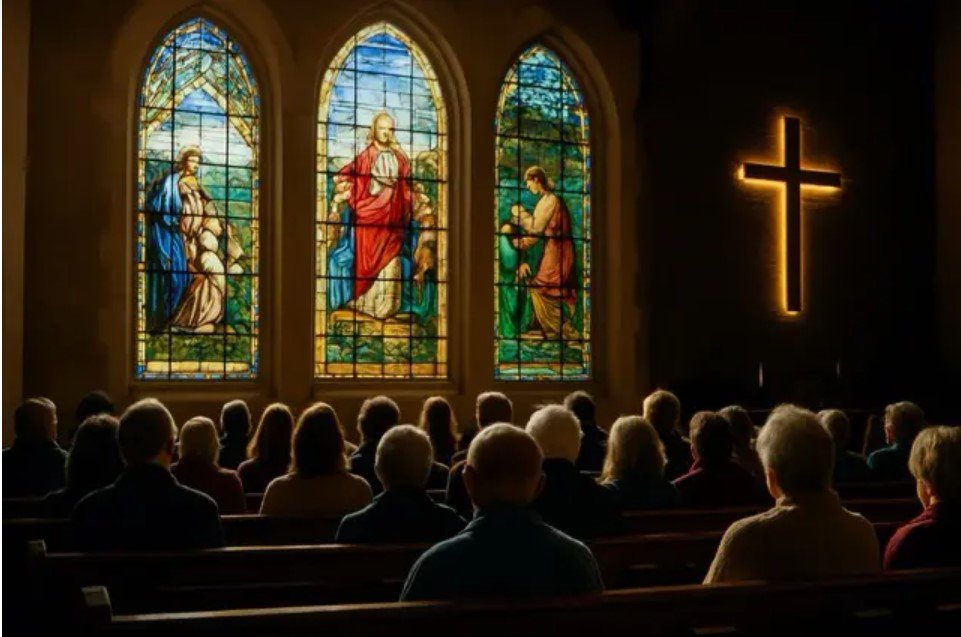
In the realm of systematic theology, we often categorize our study of the Church—ecclesiology—into its spiritual and mystical dimensions. We discuss the invisible church, the communion of saints, and the eschatological hope of the New Jerusalem. Yet, as the doctrine of the Incarnation reminds us, the spiritual is inextricably linked to the material. God uses “means” to accomplish His ends: water, bread, wine, and the physical gathering of believers.
If the local congregation is the physical outpost of the Kingdom of God, then the management of that outpost is a theological act. This brings us to a topic often ignored in seminary but vital in the parish: the stewardship of risk. In the following sections, we will explore why Church Insurance in Ohio and beyond is not merely a business necessity, but a fulfillment of our calling to be wise managers of God’s house.
Part I: The Incarnational Value of Church Property
Throughout church history, the “sacred space” has served as a silent witness to the Gospel. From the domus ecclesiae(house churches) of the first century to the soaring cathedrals of the Middle Ages, the physical structure tells a story of God’s presence among His people. When we protect a church building, we are not protecting “real estate”; we are protecting a vessel of grace.
Consider the historic churches of the Midwest. These structures represent generations of tithing, prayer, and community. If a sanctuary is destroyed by a windstorm or fire, the loss is not just financial; it is a disruption of the local witness. By ensuring a church has the correct Church Insurance, we are ensuring that the story of the Gospel in that specific location can continue, even when tragedy strikes.
Part II: Nehemiah and the Theology of the Guard
A common objection in some pietistic circles is that insurance reflects a lack of faith in God’s sovereignty. However, a biblical theology of protection suggests otherwise. In Nehemiah 4:9, as the walls of Jerusalem were being rebuilt, the text notes: “We prayed to our God and posted a guard day and night to meet this threat.”
Nehemiah did not see prayer and the “posting of a guard” as mutually exclusive. In fact, the guard was the instrumentthrough which God protected His people. In the 21st century, insurance is the modern “guard on the wall.” It is the mechanism that prevents the work of the Kingdom from being derailed by secular accidents, lawsuits, or natural disasters.
Part III: Ethics and the Protection of the Vulnerable
The New Testament is replete with commands regarding the care of the “least of these.” In a modern legal context, this mandate takes on a specific form. A church that lacks proper liability coverage is a church that is ill-equipped to care for those injured on its premises. Whether it is a slip-and-fall in the fellowship hall or a complex pastoral counseling claim, insurance provides the financial resources to make things right—a core tenet of restorative justice.
1. Pastoral Professional Liability: Guarding the Counseling Room
The Reformation emphasized the “priesthood of all believers,” but it also recognized the specific office of the pastor. Today, that office involves significant counseling. If a pastor’s biblical advice is misconstrued as professional negligence, the resulting legal battle could bankrupt a small congregation. Specialized professional liability is a shield for the office of the pastor, allowing the Word to be ministered without the looming fear of litigious ruin.
2. Sexual Misconduct: Protecting the Children of God
We must speak plainly about the fallibility of man (the doctrine of Total Depravity). A church that ignores the risk of misconduct is a church that ignores the reality of sin. Biblical stewardship requires us to implement the highest standards of safety, and insurance companies are often our partners in this, providing the training and screening tools necessary to protect the most vulnerable members of our flock.
Part IV: Coinsurance, Ordinance, and the “Hidden” Risks
To reach a depth of understanding, we must look at the technical “language” of stewardship. Many churches in Ohio are “grandfathered” into old building codes. However, if a historic church suffers more than 50% damage, local laws often require it to be rebuilt to modern standards—including fire sprinklers and ADA accessibility. This is where Ordinance or Law coverage becomes a theological necessity. Without it, the church may find itself with a payout that is insufficient to legally rebuild, effectively ending that congregation’s physical presence in the community.
Part V: The Diaconate and Financial Diligence
In the early church, deacons were appointed to handle the material needs of the community so that the elders could focus on the Word and prayer (Acts 6). Modern insurance management is a diaconal ministry. When a board or vestry meticulously reviews their policy, they are practicing a form of “servant leadership.” They are ensuring that the widow’s mite is not wasted on avoidable legal expenses or underinsured losses.
Part VI: Stewardship as a Witness to the World
Finally, how a church handles its affairs is a witness to the watching world. A church that fails to pay its debts or cannot recover from a disaster because of poor planning brings disrepute to the name of Christ. Conversely, a church that is well-managed, protected, and financially resilient demonstrates the wisdom of the Creator. We worship a God of order, not of confusion (1 Corinthians 14:33), and our administrative diligence should reflect that character.
Conclusion: A Call to Wise Management
As we navigate the complexities of 2026 and beyond, let us not see insurance as a “necessary evil” of the secular world. Instead, let us see it as a tool of Christian prudence. By protecting our sanctuaries, our staff, and our congregations, we are honoring the God who entrusted these resources to us in the first place.
At Ingram Insurance Group, we are committed to walking alongside ministries in this sacred task. We believe that when the “business” of the church is handled with excellence, the “ministry” of the church is free to flourish.