Understanding the Importance of a Well-Maintained Swimming Environment
A swimming area requires more than regular cleaning to remain safe, attractive, and enjoyable. Proper care involves maintaining water quality, protecting equipment, and ensuring that every component of the system works efficiently. Without consistent attention, pools can develop problems such as cloudy water, unwanted buildup, damaged surfaces, and equipment failures. A balanced approach helps prevent these issues while improving the overall experience for swimmers. Good management practices focus on cleanliness, safety, and long-term performance. By understanding the essential steps involved in caring for a swimming environment, owners can create a healthier space that remains functional and inviting throughout the year.
The Role of Regular Water Care and Maintenance
Water quality is one of the most important factors in maintaining a comfortable swimming environment. Changes in chemical levels, environmental conditions, and regular use can affect the condition of the water over time. Routine testing and adjustments help maintain the correct balance and prevent common issues. Effective pool maintenance includes monitoring water chemistry, removing debris, checking equipment, and maintaining proper circulation. These tasks work together to keep the water clear and reduce the chances of larger problems developing. A consistent care routine makes it easier to manage the pool and ensures that it remains ready for use whenever needed.
Maintaining Proper Water Balance
Balanced water chemistry plays a major role in protecting both swimmers and pool equipment. If chemical levels become too high or too low, they can cause discomfort, damage surfaces, or reduce the effectiveness of filtration systems. Regular testing helps identify changes and allows adjustments to be made before problems occur. Factors such as pH levels, sanitiser levels, and water hardness should be monitored carefully. Proper balance improves water clarity and supports a healthier swimming environment. Maintaining the correct chemical conditions is one of the most important responsibilities for anyone managing a pool.
The Importance of Effective Cleaning Practices
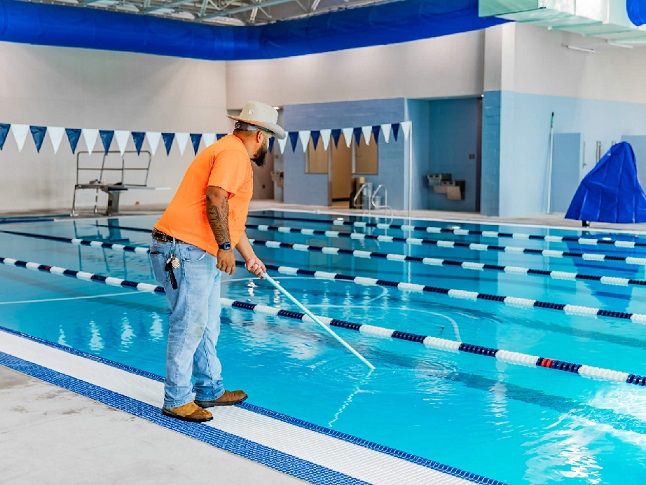
Regular cleaning helps prevent the buildup of dirt, leaves, and other unwanted materials that can affect water quality. Surface debris, particles at the bottom, and buildup around pool walls can reduce the overall appearance and performance of the system. Skimming, brushing, and vacuuming are important tasks that help keep the swimming area clean. A regular cleaning schedule reduces the effort required for major cleanups and supports better filtration performance. Consistent care also helps protect pool surfaces and prevents unnecessary damage. Clean surroundings create a more enjoyable and comfortable experience for everyone.
Caring for Pool Equipment and Systems
Pool equipment is responsible for maintaining circulation, filtration, and overall performance. Pumps, filters, heaters, and other components need regular attention to continue operating effectively. Neglecting equipment can lead to reduced efficiency, higher operating costs, and unexpected repairs. Regular inspections help identify wear, damage, or performance changes before they become serious issues. Proper equipment care is an essential part of successful pool management because it supports cleaner water and smoother operation. Maintaining these systems properly also helps extend their lifespan and protects the investment made in pool equipment.
Improving Circulation and Filtration Performance
Effective circulation ensures that water moves properly through filtration and treatment systems. When circulation is weak, debris may collect in certain areas and chemicals may not spread evenly throughout the pool. A properly functioning filtration system removes unwanted materials and helps maintain clearer water. Regular checks of pumps, filters, and circulation components improve reliability and efficiency. Good circulation reduces maintenance challenges and supports better water quality. Understanding how these systems work together allows owners to make better decisions about care and improvement.
Preventing Common Water Quality Problems
Many pool issues can be avoided through regular attention and early action. Problems such as algae growth, cloudy water, unpleasant odours, and surface stains often develop because of poor balance or inconsistent care. Addressing small concerns quickly prevents them from becoming larger and more expensive problems. Proper pool maintenance focuses on prevention rather than waiting until issues become difficult to manage. Regular testing, cleaning, and equipment checks help maintain stable conditions. A proactive approach creates a healthier environment and reduces the amount of time spent dealing with repairs.
Seasonal Changes and Their Impact on Pool Care
Different seasons can create different challenges for swimming area management. Temperature changes, increased debris, and changing usage patterns can affect water quality and equipment performance. Warmer conditions may require more frequent cleaning and chemical monitoring, while colder periods may require protective steps. Preparing the pool for seasonal changes helps prevent damage and keeps maintenance requirements manageable. Adjusting care routines based on environmental conditions improves efficiency and protects the system. Understanding seasonal needs allows owners to provide better protection throughout the year.
Creating an Effective Maintenance Schedule
A reliable schedule makes pool care easier and more organised. Different tasks require different levels of attention, with some activities needed more frequently than others. Regular water testing, cleaning, equipment inspections, and surface care should be included in a structured routine. A planned approach prevents important tasks from being overlooked and reduces the chance of unexpected problems. Many owners find that consistent scheduling makes maintenance less stressful and more manageable. An effective routine supports better results and helps maintain a cleaner swimming environment.
Benefits of Professional Pool Care Services
Although many maintenance tasks can be completed personally, professional services provide additional knowledge and experience. Experts understand different pool systems and can identify issues that may not be immediately visible. They can provide inspections, specialised cleaning, equipment checks, and recommendations for improvement. Professional support is especially useful when dealing with complex systems or ongoing performance concerns. Combining expert assistance with regular personal care creates a stronger maintenance strategy. This approach helps improve reliability and supports long-term pool performance.
Protecting Pool Surfaces and Structural Components
The condition of pool surfaces depends greatly on proper care and maintenance practices. Unbalanced water, debris buildup, and chemical issues can damage tiles, liners, finishes, and surrounding structures. Regular cleaning and water monitoring help prevent these problems and preserve the appearance of the pool. Protecting surfaces also reduces repair costs and extends the lifespan of important components. Proper maintenance ensures that the pool remains attractive while maintaining its structural integrity. Taking care of these areas is an important part of responsible ownership.
Improving Efficiency Through Modern Pool Technology
Modern pool systems often include advanced features designed to improve performance and reduce unnecessary energy use. Automated controls, efficient filtration systems, and smart monitoring tools can make maintenance easier and more effective. These technologies allow owners to manage important functions with greater accuracy. Proper care ensures that modern equipment continues working efficiently and provides maximum benefits. Investing in improved systems can support better water quality while reducing maintenance efforts. Technology continues to make swimming area management more convenient and reliable.
Common Mistakes That Affect Pool Performance
Many maintenance problems occur because of simple mistakes or inconsistent care. Ignoring water testing, delaying cleaning, or failing to inspect equipment can create larger issues over time. Incorrect chemical use can also affect water quality and damage pool components. Understanding proper care methods helps avoid unnecessary complications. Regular attention and informed decisions make it easier to maintain a healthy swimming environment. Avoiding common mistakes improves efficiency and reduces the likelihood of expensive repairs.
Reducing Costs Through Preventive Care
Preventive maintenance is one of the best ways to reduce long-term expenses. Small tasks completed regularly can prevent major repairs and extend the life of equipment. Maintaining proper water balance, cleaning consistently, and checking systems regularly all contribute to better performance. Effective pool maintenance helps identify potential issues early and allows solutions to be applied before serious damage occurs. Investing time in preventive care provides better value and protects the overall pool investment. A proactive approach is usually more affordable than responding to major problems later.
Preparing Your Pool for Long-Term Use
Long-term pool performance depends on consistent care, proper equipment management, and regular inspections. Creating good maintenance habits ensures that the swimming environment remains safe and enjoyable for years. Owners should focus on protecting equipment, maintaining water quality, and addressing concerns quickly. A well-managed pool requires less emergency attention and provides greater satisfaction. Planning ahead allows owners to enjoy their swimming area without unnecessary interruptions. Long-term care is essential for preserving both functionality and appearance.
Final Thoughts on Effective Swimming Area Management
Maintaining a clean and efficient swimming environment requires regular attention, proper planning, and responsible care practices. From water balance and cleaning routines to equipment protection and preventive strategies, every step contributes to better results. Pool maintenance helps improve water quality, extend equipment life, and create a safer experience for swimmers. By following consistent routines and using professional assistance when needed, owners can reduce challenges and protect their investment. A well-managed swimming area provides lasting enjoyment, improved performance, and a more comfortable environment for everyone.