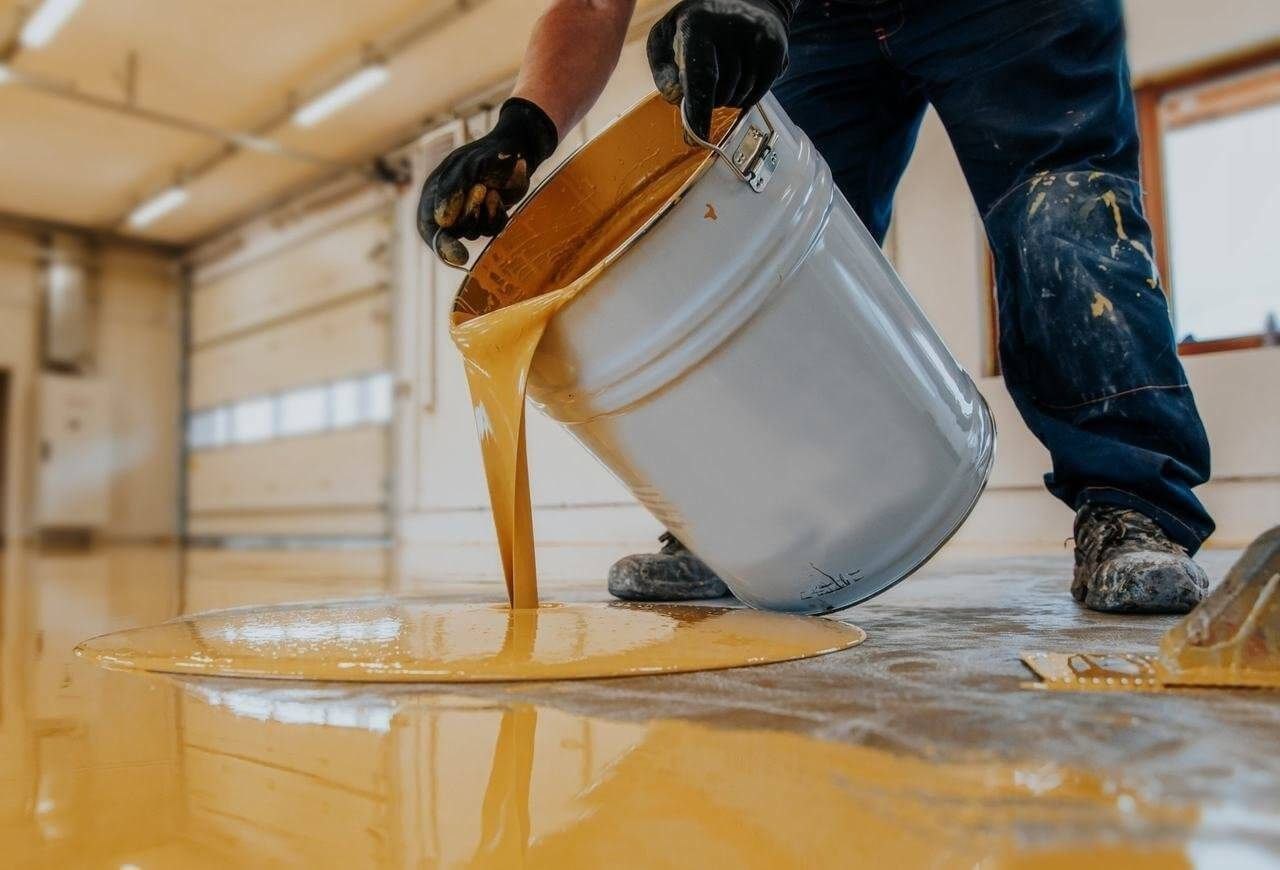
Flooring plays a vital role in the functionality, safety, and appearance of any residential, commercial, or industrial property. A well-installed floor not only enhances the visual appeal of a space but also provides long-lasting durability and protection against daily wear and tear. Among the many flooring options available today, epoxy flooring has become one of the most popular choices because of its strength, versatility, and low-maintenance qualities. Whether used in garages, warehouses, manufacturing facilities, retail stores, offices, or residential spaces, epoxy flooring offers a reliable solution that combines performance with modern aesthetics.
Many property owners are looking for flooring systems that can withstand heavy traffic, resist stains, and maintain their appearance for years without requiring extensive maintenance. Epoxy flooring meets these expectations by creating a seamless, durable surface that is resistant to moisture, chemicals, impacts, and abrasions. However, achieving these benefits depends largely on proper preparation and professional installation. An incorrectly installed epoxy floor can develop peeling, bubbling, or cracking, reducing its lifespan and overall performance.
Professional epoxy floor installation ensures that every stage of the process is completed correctly, from surface preparation to the final protective coating. Skilled installers understand the importance of using quality materials, following proper curing procedures, and creating a smooth, even finish that delivers long-term value. Investing in expert installation helps property owners enjoy flooring that is both functional and visually impressive.
Understanding What Epoxy Flooring Is
Epoxy flooring is a surface coating system created by combining resin and hardener to form a strong, durable material that bonds securely with concrete. Once applied and cured, the mixture forms a seamless surface capable of handling demanding conditions while maintaining an attractive appearance.
Unlike ordinary floor paint, epoxy creates a thick protective layer that becomes part of the concrete surface. This strong bond improves resistance to impacts, scratches, chemicals, moisture, and daily use. Because of its durability, epoxy flooring is commonly used in environments where reliability and cleanliness are important.
Modern epoxy flooring is available in numerous colors, textures, and decorative finishes. Property owners can select designs that complement their interior style while benefiting from a floor that performs exceptionally well under heavy use.
Why Epoxy Flooring Has Become So Popular
The growing popularity of epoxy flooring can be attributed to its combination of durability, appearance, and ease of maintenance. Businesses appreciate its ability to withstand continuous foot traffic and equipment movement, while homeowners value its clean, polished look and resistance to stains.
Unlike traditional flooring materials that may require frequent replacement or extensive upkeep, epoxy provides a long-lasting solution when installed correctly. Its seamless surface prevents dirt and moisture from penetrating the floor, making routine cleaning much easier.
Another reason for its popularity is its versatility. Epoxy flooring can be customized with various colors, decorative flakes, metallic finishes, and textured coatings to suit different environments. Whether the goal is creating a professional commercial space or enhancing a residential garage, epoxy offers flexible design possibilities.
The Importance of Proper Surface Preparation
One of the most critical steps in epoxy floor installation is preparing the existing concrete surface. Even the highest-quality epoxy products cannot perform well if they are applied to an improperly prepared floor.
Professionals begin by inspecting the concrete for cracks, oil stains, moisture problems, and surface damage. Any imperfections must be repaired before installation begins. Cleaning the surface thoroughly removes contaminants that could interfere with proper adhesion.
Mechanical grinding or shot blasting is often used to create the ideal surface profile for epoxy bonding. This process ensures that the coating adheres securely and provides maximum durability.
Proper preparation also includes testing moisture levels within the concrete. Excessive moisture can prevent successful bonding and lead to coating failure. Addressing these issues before installation significantly improves long-term performance.
The Step-by-Step Installation Process
A professional epoxy flooring project follows a carefully planned sequence to achieve optimal results. After preparing the surface, installers apply a primer that improves adhesion and creates a stable foundation for the epoxy system.
The main epoxy coating is then mixed according to manufacturer specifications and applied evenly across the prepared surface. Depending on the project requirements, multiple coats may be used to increase durability and achieve the desired appearance.
Decorative elements such as colored flakes or metallic pigments can be incorporated during this stage to create unique visual effects. These options allow property owners to customize the flooring according to their design preferences.After the epoxy layer has been applied, a protective topcoat is often added. This final layer enhances resistance to scratches, chemicals, ultraviolet exposure, and daily wear while providing the preferred level of gloss or texture.
The floor must then be allowed to cure completely before it is exposed to foot traffic or heavy equipment. Proper curing is essential for achieving maximum strength and longevity.
Benefits of Professional Epoxy Flooring
Choosing professional installation provides numerous advantages beyond achieving an attractive appearance. One of the most important benefits is exceptional durability. Properly installed epoxy flooring can withstand years of heavy use without significant deterioration.
Its resistance to chemicals makes it particularly valuable in industrial facilities, workshops, and garages where oils, cleaning products, and other substances are commonly present. Spills can usually be cleaned easily without damaging the surface.
Moisture resistance is another significant benefit. The seamless nature of epoxy flooring reduces the likelihood of water penetration, helping protect the underlying concrete and simplifying maintenance.Professional installation also improves safety. Slip-resistant additives can be incorporated into the topcoat to provide better traction in areas where moisture may be present.
Applications Across Different Industries
Epoxy flooring is suitable for a wide variety of environments because of its strength and versatility. Industrial facilities often rely on epoxy flooring to support machinery, equipment, and heavy vehicle traffic while maintaining a clean working environment.
Commercial buildings such as retail stores, offices, restaurants, and healthcare facilities also benefit from epoxy flooring. Its attractive appearance and low maintenance requirements help create professional environments that remain visually appealing over time.Residential applications continue to grow in popularity. Garages, basements, workshops, and utility rooms frequently use epoxy flooring because it offers durability, stain resistance, and an upgraded appearance compared to bare concrete.Educational institutions, warehouses, manufacturing facilities, and sports complexes also utilize epoxy flooring because it can handle demanding conditions while remaining easy to maintain.
Maintenance Tips for Long-Term Performance
One reason many property owners choose epoxy flooring is its relatively simple maintenance routine. Regular sweeping removes dirt and debris that could cause surface abrasion, while occasional mopping helps preserve its clean appearance.
Although epoxy flooring is highly durable, avoiding unnecessary impact from extremely heavy or sharp objects helps maintain its finish. Promptly cleaning chemical spills further protects the surface and preserves its appearance.
Routine inspections allow property owners to identify small areas requiring maintenance before they develop into larger issues. When properly maintained, epoxy flooring can continue performing effectively for many years.Periodic professional evaluations may also help determine whether a protective topcoat should be refreshed to extend the flooring’s lifespan even further.
Common Mistakes to Avoid During Installation
Successful epoxy flooring depends on careful attention to detail throughout the installation process. One common mistake is skipping adequate surface preparation. Dirt, oil, moisture, or damaged concrete can prevent proper bonding and lead to premature failure.Another mistake involves incorrect mixing ratios. Epoxy components must be combined precisely according to manufacturer instructions to achieve proper curing and strength.
Applying epoxy under unsuitable environmental conditions can also create problems. Temperature and humidity affect curing times and overall performance, making professional experience particularly valuable.Attempting to accelerate the curing process by using the floor too soon may also reduce durability. Allowing sufficient curing time ensures that the flooring reaches its full strength before being subjected to regular use.
Choosing the Right Epoxy Flooring Professional
Selecting an experienced contractor is one of the most important decisions in any flooring project. Qualified professionals understand proper installation techniques, use quality materials, and follow industry standards throughout every stage of the project.
Property owners should look for contractors with experience in projects similar to their own. Reviewing previous work, discussing installation methods, and understanding the products being used can provide confidence in the contractor’s capabilities.
Good communication is also essential. Professional installers should explain the installation process, expected timeline, maintenance recommendations, and any preparation required before work begins.Working with knowledgeable specialists helps ensure that the finished floor meets both functional and aesthetic expectations.
Future Trends in Epoxy Flooring
Advancements in flooring technology continue to improve epoxy systems. Modern products offer enhanced durability, faster curing times, improved environmental performance, and expanded decorative possibilities.
Metallic finishes, decorative flakes, custom color combinations, and textured surfaces are becoming increasingly popular among property owners seeking unique flooring designs. Sustainable materials and low-emission products are also gaining attention as environmental awareness continues to grow.Smart flooring technologies and advanced protective coatings may further improve epoxy flooring performance in the coming years, making it an even more attractive option for a wide range of applications.
As innovation continues, epoxy flooring is expected to remain one of the leading choices for durable, attractive, and low-maintenance surfaces.
Final Thoughts on Epoxy Floor Installation
Choosing the right flooring system is an important investment in the appearance, safety, and functionality of any property. Epoxy flooring provides an excellent combination of durability, versatility, and visual appeal, making it suitable for residential, commercial, and industrial environments alike.
Professional epoxy floor installation ensures that every stage of the project is completed with precision, from thorough surface preparation to proper curing and finishing. Expert installation maximizes the flooring’s lifespan, improves performance, and helps property owners avoid costly repairs caused by improper application.
With its resistance to wear, moisture, chemicals, and heavy traffic, epoxy flooring continues to be one of the most dependable flooring solutions available. By investing in quality materials and experienced professionals, property owners can enjoy beautiful, long-lasting floors that provide reliable performance and enhance the value of their spaces for many years to come.