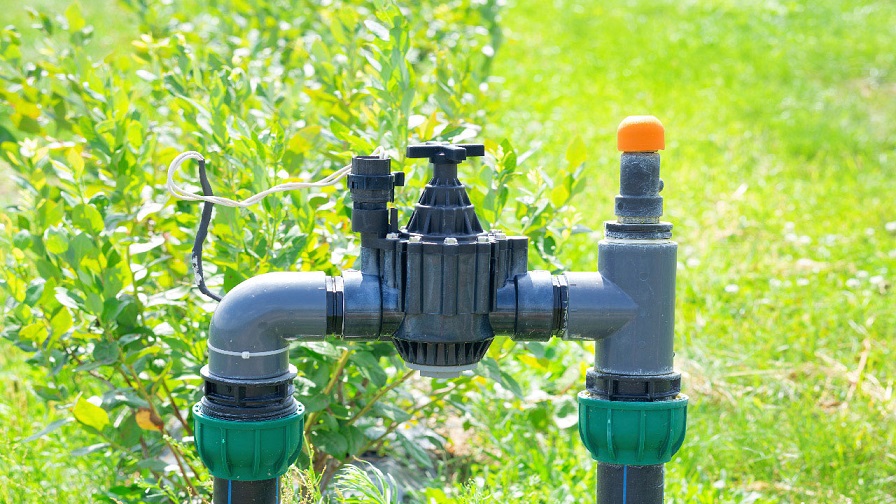
Understanding the Role of Sprinkler Valves in an Irrigation System
A properly functioning irrigation system plays an important role in maintaining healthy landscapes, gardens, lawns, and outdoor spaces. Every component of a sprinkler system contributes to its overall performance, but sprinkler valves are among the most important parts because they control the flow of water to different irrigation zones. These valves regulate when and how much water reaches specific areas, helping maintain consistent watering schedules and preventing unnecessary water waste.
Over time, sprinkler valves can wear out due to age, mineral buildup, pressure problems, weather exposure, or regular use. When a valve begins to fail, it can affect the entire irrigation system and lead to issues such as uneven watering, water leaks, dry areas, or excessive water consumption. Addressing valve problems quickly helps protect the landscape and keeps the irrigation system operating efficiently.
Why Sprinkler Valves Are Important for Irrigation Performance
Sprinkler valves act as control points within an irrigation system. Each valve is connected to a specific watering zone and opens or closes according to signals from the irrigation controller. This allows different areas of a property to receive the appropriate amount of water based on plant requirements, sunlight exposure, and soil conditions.
A damaged or malfunctioning valve can interrupt this process. A valve that fails to open may prevent water from reaching certain areas, while a valve that remains open can cause continuous watering and unnecessary water loss. Maintaining properly functioning valves is essential for achieving balanced irrigation and protecting outdoor spaces.
Common Reasons Sprinkler Valves Fail
Several factors can contribute to sprinkler valve problems. One of the most common causes is natural wear and tear. Since valves operate repeatedly throughout the year, internal components can eventually become damaged or weakened. Seals, diaphragms, and other small parts may lose their effectiveness over time.
Debris and mineral deposits can also interfere with valve performance. Dirt, sand, and other particles may enter the irrigation system and prevent the valve from closing properly. In areas with hard water, mineral buildup can restrict movement and reduce efficiency.
Weather conditions can also impact sprinkler valves. Freezing temperatures may cause cracking or internal damage, while excessive heat and sunlight exposure can contribute to material deterioration. Proper maintenance and seasonal preparation can help reduce these risks.
Signs That a Sprinkler Valve Needs Replacement
Recognizing the warning signs of valve failure allows property owners to address problems before they become more serious. One common indication is water continuing to flow even when the irrigation system is turned off. This usually suggests that the valve is no longer closing properly.
Another sign is a sprinkler zone that does not activate when scheduled. If other zones work correctly but one area remains dry, the problem may be related to a faulty valve. Low water pressure, inconsistent spray patterns, and leaking around the valve area can also indicate that replacement may be necessary.
Unusual sounds, such as humming or clicking from the valve area, may also suggest electrical or mechanical issues. Regular inspections can help identify these problems early and prevent damage to the surrounding landscape.
The Importance of Professional Sprinkler Valve Replacement
Replacing a sprinkler valve may appear like a simple task, but it requires knowledge of irrigation systems, plumbing connections, and electrical controls. A properly completed replacement ensures that the new valve works correctly with the existing system and provides reliable water distribution.
Professional technicians understand how to identify the correct valve type, shut off water supplies safely, remove damaged components, and install new equipment without causing additional problems. They also inspect surrounding connections to ensure there are no hidden issues affecting performance.A poorly installed valve can lead to leaks, pressure problems, and repeated failures. Professional service helps ensure that the irrigation system operates efficiently after replacement.The replacement process begins with a detailed inspection of the irrigation system. Professionals determine whether the valve itself is the problem or whether other components, such as wiring, controllers, or pipes, are contributing to the issue.
Once the faulty valve is identified, the water supply is turned off to prevent leaks during the repair. The damaged valve is carefully removed, and the surrounding area is inspected for signs of damage or deterioration.
The new valve is then installed and connected properly to the irrigation lines and control system. After installation, the system is tested to confirm that water flows correctly and each zone operates as expected. Adjustments may be made to improve pressure, coverage, and efficiency.
Choosing the Right Replacement Valve
Selecting the correct replacement valve is important for achieving reliable performance. Different irrigation systems require different valve sizes, designs, and operating features. Choosing an incompatible valve may result in poor water flow or system problems.
Factors such as water pressure, irrigation layout, controller compatibility, and system age should be considered before selecting a replacement. High-quality valves designed for the specific irrigation system can provide better durability and reduce future maintenance needs.
A professional evaluation helps ensure that the replacement valve matches the requirements of the existing system.A properly functioning valve improves the overall efficiency of an irrigation system. When water is distributed correctly, plants receive the appropriate amount of moisture without unnecessary waste. This helps maintain healthier landscapes while reducing water expenses.
Replacing a faulty valve can also prevent property damage. Continuous leaks may create muddy areas, soil erosion, or water accumulation near foundations and walkways. Addressing valve issues quickly helps protect both the landscape and surrounding structures.A new valve can also improve system reliability by reducing unexpected failures and ensuring that irrigation schedules operate correctly.
Improving Water Efficiency With Proper Valve Maintenance
Water conservation is becoming increasingly important for homeowners and property managers. A well-maintained irrigation system uses water more efficiently by delivering the right amount of moisture exactly where it is needed.Sprinkler valves play a major role in controlling water usage. Faulty valves can waste large amounts of water without providing any benefit to the landscape. Regular inspections and timely replacements help improve efficiency and support responsible water management.
Combining properly functioning valves with smart irrigation controllers, appropriate watering schedules, and regular maintenance creates a more effective irrigation system.Regular maintenance can extend the life of sprinkler valves and reduce the need for unexpected repairs. Inspecting the system at the beginning and end of each watering season helps identify potential issues early.
Cleaning valve areas, checking for leaks, and monitoring sprinkler performance are simple steps that can prevent larger problems. Property owners should also protect irrigation components from freezing temperatures when necessary.Professional inspections can provide additional protection by identifying hidden problems and ensuring that all components work together properly.
Common Mistakes to Avoid During Valve Replacement
One common mistake is replacing a valve without first identifying the actual cause of the problem. Sometimes issues that appear to be valve failures may be caused by electrical problems, controller malfunctions, or damaged wiring.
Another mistake is choosing a replacement valve without considering system compatibility. Installing the wrong type of valve can create performance issues and may require additional repairs.
Incorrect installation techniques can also lead to leaks and reduced efficiency. Proper connections, testing, and adjustments are essential for achieving reliable results.A well-maintained sprinkler system improves the appearance and health of outdoor spaces. Consistent watering supports stronger grass, healthier plants, and more attractive landscapes. Efficient irrigation also helps protect property value by maintaining a well-cared-for exterior environment.
Reliable sprinkler valves contribute to this performance by ensuring that each irrigation zone receives proper water distribution. Small improvements in system efficiency can create noticeable benefits over time.
Conclusion: Maintaining Irrigation Efficiency Through Quality Valve Replacement
In some cases, multiple valves may begin failing around the same time, especially in older irrigation systems. If several valves show signs of wear, replacing them together may be more practical than addressing repeated individual failures.An aging system may also benefit from a complete inspection to identify outdated components and improve overall performance. Upgrading multiple parts at once can increase reliability and reduce future maintenance requirements.
Sprinkler valves are essential components that help control water distribution and maintain an effective irrigation system. When valves become damaged or worn out, they can reduce efficiency, waste water, and negatively affect landscapes.Timely sprinkler valve replacement helps restore proper system performance, prevent leaks, and improve water management. With professional installation, quality replacement components, and regular maintenance, property owners can keep their irrigation systems working efficiently for many years.
A reliable sprinkler system is an investment in both landscape health and property protection. By paying attention to valve performance and addressing issues early, homeowners can enjoy healthier outdoor spaces while using water more responsibly.