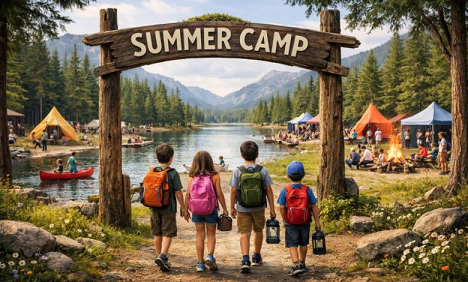
Summer camp gives your child structured time away from screens where they can build real skills, make friends, and test independence in a safe setting. You’ll learn which types of programs match your child’s personality and goals, and which benefits—like confidence, teamwork, or creative growth—are most likely to emerge.
Expect practical guidance on program formats, age-appropriate activities, and what to look for in staff and safety so you can choose a camp that fits your family’s needs. The article summer camps will walk you through program types and the key benefits that help your child grow, making the selection process clearer and less stressful.
Types of Programs
You’ll find programs that vary by daily structure, overnight living, and who they’re designed for. Each option shapes the schedule, supervision level, and the skills your child will practice.
Day Camps and Overnight Camps
Day camps run during daytime hours and return children to their families each evening. They suit younger kids or families who want daily drop-off, shorter sessions, and lower cost. Typical activities include swim lessons, arts and crafts, sports clinics, and themed learning blocks. Transportation, lunch policies, and extended-care hours are key details to confirm.
Overnight (sleepaway) camps keep campers on-site for multiple days. These build independence through cabin life, late-evening programs, and multi-day wilderness trips. Look for staff-to-camper ratios, medical care protocols, and emergency communication policies. Overnight camps often include more immersive skill tracks like canoe tripping, leadership training, or intensive arts intensives.
Specialized Camps
Specialized camps focus on a single interest or population. Examples include STEM camps (robotics, coding), sports academies (soccer, basketball), arts intensives (theater, visual arts), and therapeutic or special-needs programs. These offer deeper instruction, often with instructors who have specific credentials or professional backgrounds.
When choosing a specialized camp, check curriculum scope, daily skill progression, and end-of-session demonstrations or portfolios, such as those offered by Creative Insight Pottery. Also confirm equipment standards and injury-prevention measures for physical programs. Specialized camps may require tryouts, auditions, or prerequisite skills, so review eligibility and preparatory suggestions.
Family Camps
Family camps welcome multiple generations to share a week or weekend of activities. You’ll participate in guided hikes, family canoe trips, evening programs, and mixed-age workshops. Lodging options range from shared cabins to small cottages and RV sites. Families can also choose activities that match their comfort level, from relaxing by the campfire to exploring nearby trails. If you’re wondering What is an RV, it’s a recreational vehicle that provides a convenient option for families who prefer a more flexible camping experience with added comforts.
Family camps emphasize flexible scheduling and combined activities so kids and adults can split time between age-specific and family experiences. Pay attention to meal plans, childcare or kids’ programs during adult-only activities, and accessibility for strollers or older adults. Families who prefer more control over their nutrition choices can also explore the best health meal delivery service options when planning meals around their camp schedule and family activities. Many family camps include optional add-ons like gear rentals, professional instruction, or short excursions you can book in advance.
Key Benefits for Children
Camp gives your child hands-on practice with new tasks, repeated chances to work with peers, and structured settings that let them try and fail safely. Expect measurable gains in practical skills, everyday social habits, and visible boosts in self-reliance.
Skill Development
At camp your child learns specific, transferable skills through repeated, practical activities. They might master canoe strokes, knot-tying, or archery techniques while also learning time management by following daily schedules. Creative skills emerge from arts and theater sessions where they plan, rehearse, and present short performances.
Camps also teach problem-solving with low-risk experiments—repairing equipment, navigating trails, or troubleshooting a group challenge. Those tasks build executive functions: planning, attention, and adapting strategies. You can track progress by noting concrete outputs, such as a completed woodworking project or a map-reading exercise successfully executed.
Social Growth
Camp places your child in diverse peer groups and daily mixed-age interactions that sharpen social competence. You’ll see them practice sharing responsibilities, negotiating rules for games, and giving or receiving constructive feedback during team tasks. These repeated social exchanges improve communication skills and perspective-taking.
Counselor-led reflection and conflict-resolution sessions teach explicit social strategies: using “I” statements, setting boundaries, and seeking adult help when needed. Friendships formed at camp often rest on cooperative achievements—shared challenges that create trust and teach collaboration in ways casual play does not.
Confidence Building
Camp creates frequent, achievable challenges that let your child prove competence to themselves. Completing a ropes-course element, leading a group activity, or tending a garden plot gives concrete evidence of ability. Those small successes compound into greater willingness to try new things.
You’ll notice a shift in how your child talks about obstacles: they move from seeking reassurance to offering solutions. Counselors provide calibrated support—stepping in when necessary but encouraging independence—which helps your child build realistic self-assessment and resilience.