A comfortable and energy-efficient home requires careful planning and attention to several important features, and insulation is one of the most valuable improvements a property owner can consider. Proper insulation helps maintain indoor temperatures by reducing the movement of heat between the interior and exterior areas of a building. Without sufficient insulation, homes may experience temperature changes, increased energy consumption, and unnecessary pressure on heating and cooling systems. A well-insulated property creates a more stable environment while improving overall comfort throughout the year. Many homeowners focus mainly on upgrading their heating and cooling equipment when trying to improve energy performance. However, even the most advanced systems may struggle if a building lacks proper insulation. Heat naturally moves through areas with weak protection, causing energy loss and making indoor temperatures harder to control. Improving insulation levels helps create a stronger thermal barrier, allowing homes to remain comfortable while using energy more efficiently.Modern insulation techniques have introduced practical solutions that provide better coverage and improved performance compared to older methods. One of the most effective approaches is blown in insulation, which uses specialised equipment to distribute loose insulation materials into open spaces, gaps, and hard-to-reach areas. This method allows professionals to create a more complete layer of protection, improving the overall efficiency of the building structure.
Understanding the Role of Insulation in Homes
Insulation serves as a protective layer that slows down heat transfer and helps maintain comfortable indoor conditions. During colder periods, insulation reduces heat loss by preventing warm air from escaping too quickly. During warmer periods, it helps limit the amount of outdoor heat entering the property. This balance allows homeowners to enjoy better comfort without relying excessively on heating or cooling systems.Poor insulation can lead to several common problems, including uneven temperatures, uncomfortable rooms, and higher energy expenses. When a home does not have enough insulation, heating systems must operate longer to replace lost warmth, while cooling systems may struggle to remove unwanted heat. Over time, this increased workload can affect equipment performance and contribute to higher maintenance requirements.A properly insulated home provides more consistent temperatures throughout different areas of the property. It can also reduce drafts, improve indoor comfort, and support better energy management. Choosing the right insulation solution is an important step toward improving the overall performance and efficiency of a building.
Advantages of Advanced Insulation Methods
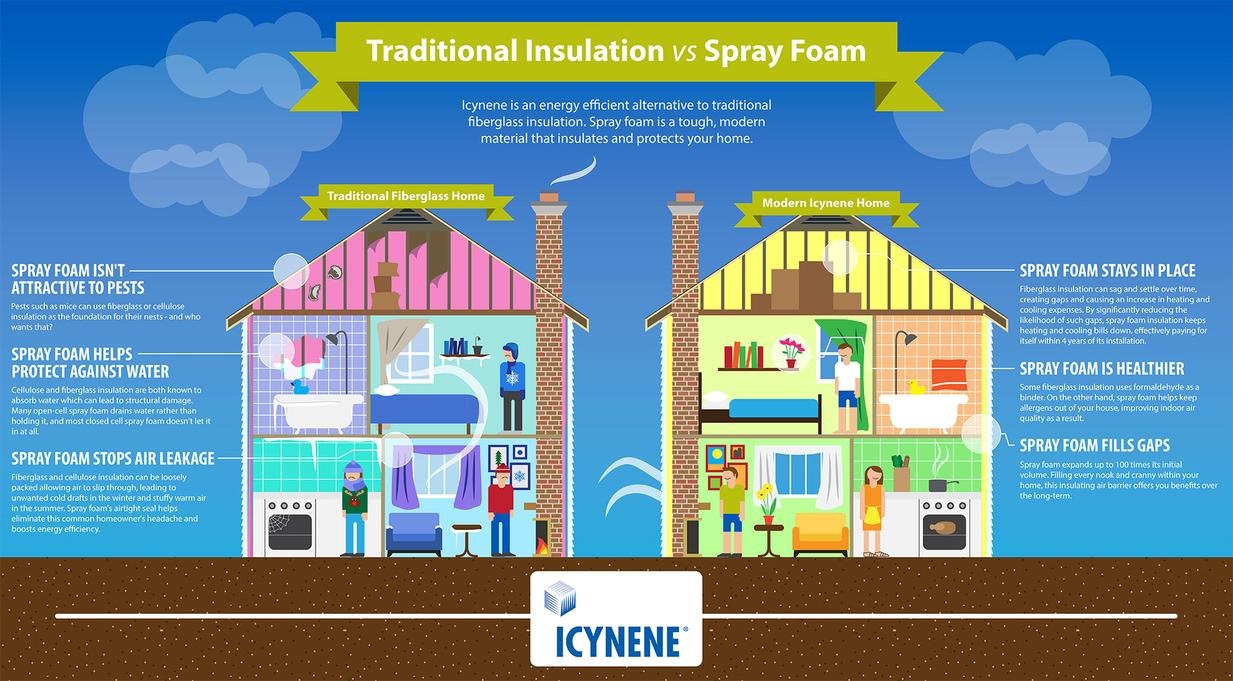
One of the biggest benefits of modern insulation methods is their ability to provide better coverage. Traditional insulation materials may sometimes leave small gaps or spaces where heat transfer can continue. Advanced installation techniques are designed to minimise these issues by creating a more complete protective barrier around living areas.Another advantage is improved energy efficiency. When insulation works effectively, heating and cooling systems do not need to operate as frequently to maintain comfortable temperatures. This can help reduce unnecessary energy usage and create a more efficient household environment. Over time, improved insulation performance can provide valuable benefits for property owners.The flexibility of loose-fill materials makes them suitable for many different applications. They can be installed around obstacles, uneven spaces, and areas where standard insulation products may be difficult to apply. This makes them a practical option for improving insulation coverage in various parts of a building. For homeowners looking for better temperature control and improved efficiency, blown in insulation offers a reliable solution. Its ability to fill small spaces and create consistent coverage makes it a preferred choice for many insulation improvement projects.
Types of Materials Used for Insulation
Different insulation materials are available depending on the requirements of a property. Fiberglass is one of the most commonly used materials because it provides effective thermal protection and can be installed in different forms. It is lightweight, durable, and suitable for many residential applications.Cellulose insulation is another popular option that is often chosen for its thermal performance and environmentally friendly characteristics. Made from recycled materials, cellulose can provide excellent coverage while helping reduce energy loss. Its dense structure allows it to limit air movement and improve comfort.Some insulation materials are designed for specific performance needs, such as improved moisture resistance or enhanced air sealing. Selecting the right material depends on several factors, including building design, existing insulation conditions, and long-term energy goals. Professional advice can help determine the most suitable option for each project.
How Insulation Helps Reduce Energy Consumption
Energy efficiency has become an important goal for many homeowners who want to reduce waste and create more sustainable living spaces. Insulation plays a key role by limiting the amount of energy required to maintain comfortable indoor temperatures. When heat transfer is controlled effectively, heating and cooling systems can operate more efficiently.Homes without proper insulation often lose valuable energy through ceilings, walls, and other areas. This loss forces temperature control systems to work harder, increasing energy demand. By improving insulation performance, homeowners can reduce unnecessary energy use and create a more balanced indoor environment.A well-insulated property can also provide greater comfort during changing weather conditions. Instead of experiencing sudden temperature shifts, occupants can enjoy a more stable indoor atmosphere. This improvement makes insulation a valuable investment for both comfort and long-term efficiency.
Importance of Professional Installation
The quality of installation plays a major role in determining how well insulation performs. Even high-quality materials may not provide expected results if they are installed incorrectly. Poor coverage, gaps, or improper application can reduce effectiveness and allow heat transfer to continue.Professional installers understand how to evaluate a property before beginning work. They inspect existing conditions, identify problem areas, and recommend suitable solutions based on the building’s requirements. This careful approach helps ensure that insulation improvements deliver maximum benefits.Specialised equipment is often required to distribute insulation materials evenly and achieve proper coverage. Experienced professionals know how to use these tools effectively while maintaining safety and quality standards. Proper installation helps extend the lifespan of insulation and improves overall performance.Choosing professional blown insulation installation can help homeowners achieve better results by ensuring materials are applied correctly and efficiently. A skilled approach reduces the risk of performance issues and creates a more effective insulation system.
Signs That Your Home Needs Better Insulation
Many homeowners discover insulation problems only after noticing discomfort or increased energy costs. One common sign is inconsistent temperatures between different rooms. If some areas of a property feel colder or warmer than others, insufficient insulation may be affecting temperature control.Rising utility expenses can also indicate insulation problems. When heating and cooling systems operate frequently but indoor comfort remains poor, the building may be losing energy through areas that need better protection. Improving insulation can help address these issues and create a more efficient home.Drafts, temperature changes near ceilings, and difficulty maintaining comfortable conditions are additional warning signs. These problems suggest that existing insulation may be damaged, outdated, or insufficient for the property’s needs.Regular evaluations can help identify insulation concerns before they become major problems. Early improvements can increase comfort, reduce energy waste, and support better building performance.
Homeowners can further improve their savings by reviewing how their energy plans align with their household consumption patterns. Comparing direct energy plans can help identify options that support efficient energy use while keeping long-term utility costs manageable.
Maybe we can place it after this sentence found in the article: This improvement makes insulation a valuable investment for both comfort and long-term efficiency.
Maintaining Insulation Effectiveness
Although insulation is designed to provide long-term benefits, proper care and monitoring are important. Factors such as moisture, ventilation issues, and structural changes can affect insulation performance over time. Regular inspections help identify problems and maintain efficiency.Moisture management is especially important because damp insulation can lose its effectiveness. Proper ventilation and building maintenance help protect insulation materials and support a healthier indoor environment. Addressing moisture concerns quickly can prevent further complications.Homeowners should also consider insulation conditions when completing renovations or property upgrades. Changes to roofs, ceilings, or ventilation systems may influence insulation performance and should be reviewed carefully.
Environmental Benefits of Improved Insulation
Better insulation supports responsible energy use by reducing unnecessary consumption. When homes require less energy for heating and cooling, fewer resources are used to maintain comfortable conditions. This makes insulation an important part of creating more sustainable properties.Many modern insulation products are designed with environmental considerations in mind. Some materials include recycled content and provide strong performance while reducing waste. Choosing suitable insulation solutions can support both environmental goals and household efficiency.Improving insulation also contributes to the long-term durability of a property. A well-protected building structure can maintain better performance and provide benefits for future occupants.
Choosing the Right Insulation Solution
Selecting the best insulation option requires understanding the specific needs of a property. Factors such as building design, current insulation levels, budget, and desired energy performance should all be considered before starting a project.Professional guidance can help homeowners make informed decisions. Experts can assess the property, explain available choices, and recommend solutions that match performance expectations. This ensures that insulation improvements provide lasting value.A carefully planned insulation upgrade can improve comfort, efficiency, and property performance. Investing in quality materials and proper installation creates a stronger, more reliable living environment.
Conclusion
Insulation is an essential component of a comfortable and energy-efficient home. It helps control indoor temperatures, reduces energy waste, and improves the overall performance of heating and cooling systems. Selecting the right insulation method can provide benefits that continue for many years.With professional installation and quality materials, homeowners can create a more efficient and comfortable property. Better insulation reduces unnecessary energy loss while improving daily living conditions.For those seeking a practical way to enhance home efficiency, blown in insulation provides effective coverage, improved thermal protection, and long-lasting performance. By investing in the right insulation solution, property owners can enjoy greater comfort, better efficiency, and improved value over time.