The roof is one of the most important structural components of any property because it serves as the primary barrier against harsh weather, moisture, temperature fluctuations, and environmental wear. Whether constructing a new home or replacing an aging roofing system, investing in professional roof installation ensures long-term durability, improved energy efficiency, and enhanced property value. A properly installed roof protects every part of the building beneath it while contributing to comfort, safety, and overall structural integrity. Choosing experienced roofing professionals and high-quality materials makes a significant difference in the performance and lifespan of the completed roofing system.
Modern roofing technology has advanced considerably over the years, providing homeowners and commercial property owners with a wide range of durable materials, improved ventilation systems, and weather-resistant installation methods. Every roofing project should begin with careful planning, material selection, and professional craftsmanship. Even the highest-quality roofing materials cannot perform as intended if they are installed incorrectly. Proper installation techniques reduce the likelihood of leaks, premature deterioration, and costly repairs while maximizing the return on investment for years to come.
Understanding the Importance of a Quality Roofing System
A roofing system is much more than the visible shingles or metal panels covering a building. It consists of several interconnected components that work together to provide complete protection. These include the roof deck, underlayment, flashing, ventilation systems, insulation, fasteners, drainage components, and the exterior roofing material itself. Every layer serves a specific purpose, and failure in one area can affect the performance of the entire system.Professional roofing contractors understand how these components interact and ensure each element is installed according to manufacturer specifications and industry standards. Proper alignment, secure fastening, waterproof barriers, and effective ventilation all contribute to the long-term reliability of the roof. Investing in quality installation from the beginning reduces maintenance requirements and extends the service life of the roofing system.
Planning Before Installation Begins
Successful roofing projects require detailed planning before any materials are installed. Contractors begin by evaluating the building’s structure, roof pitch, ventilation requirements, drainage patterns, and existing structural conditions. This assessment helps determine the most suitable roofing material and installation method for the property.
Property owners should also consider long-term goals when selecting a roofing system. Factors such as climate resistance, maintenance expectations, appearance, energy efficiency, and expected lifespan all influence material selection. Careful planning helps ensure the finished roof not only protects the building but also complements its architectural style while meeting future performance expectations.Obtaining the necessary permits and following applicable building regulations are also important parts of the planning process. Professional roofing companies manage these requirements to ensure projects proceed efficiently and comply with construction standards.
Choosing the Right Roofing Material
Selecting appropriate roofing materials is one of the most important decisions during any roofing project. Different materials offer unique advantages depending on the property’s design, budget, and maintenance preferences.Asphalt shingles remain one of the most widely used roofing materials because they provide affordability, attractive appearance, and dependable weather resistance. Architectural shingles offer greater durability and improved visual appeal compared to traditional three-tab products, making them a popular choice for many residential properties.Metal roofing systems have gained popularity because of their exceptional longevity, resistance to severe weather, and energy-efficient reflective properties. Properly installed metal roofs require relatively little maintenance while offering decades of reliable performance.Tile roofing provides outstanding durability and timeless architectural appeal. Although heavier than many other materials, tile roofs can last for generations when supported by an appropriate structural framework. Synthetic roofing products have also become increasingly popular because they replicate the appearance of traditional materials while providing enhanced impact resistance and lower maintenance requirements.Professional contractors help property owners compare material options based on expected lifespan, maintenance needs, aesthetic preferences, and overall project budget.
Preparing the Roof Structure
Before installing new roofing materials, contractors carefully prepare the roof structure to ensure a solid foundation for the new system. Existing roofing materials are removed when necessary, allowing the roof deck to be inspected for signs of deterioration, moisture damage, or structural weakness.Damaged decking is replaced before installation continues. This step is essential because even premium roofing materials cannot compensate for an unstable foundation beneath them. Contractors also examine structural framing to verify that it can adequately support the selected roofing material.After repairs are completed, protective underlayment is installed across the roof deck. This waterproof barrier provides an additional layer of defense against moisture infiltration while helping protect the structure if exterior roofing materials become damaged during severe weather.
The Roof Installation Process
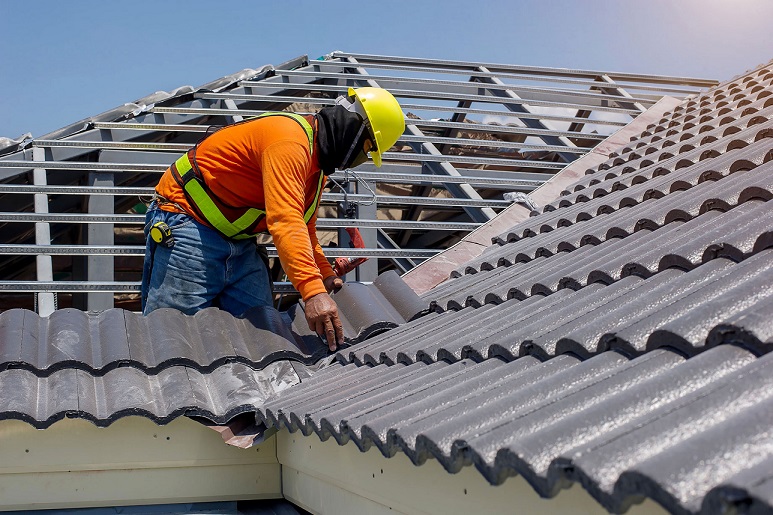
Every professional roofing project follows a systematic installation process designed to maximize performance and durability. Once the roof deck has been prepared and underlayment installed, contractors begin installing flashing around valleys, chimneys, skylights, vents, and other roof penetrations. Flashing plays a critical role in directing water away from vulnerable areas where leaks commonly develop.Roofing materials are then installed using manufacturer-approved fastening methods and carefully aligned to ensure consistent appearance and weather resistance. Attention to detail during installation helps prevent uneven surfaces, loose materials, and premature wear.Proper ridge ventilation is installed near the highest points of the roof to promote continuous airflow throughout the attic space. Balanced ventilation reduces heat buildup during warm weather while minimizing moisture accumulation during cooler seasons. This improves energy efficiency and extends the life of roofing materials by reducing thermal stress.Throughout the installation process, experienced contractors perform ongoing quality inspections to verify that every section of the roof meets professional standards before the project advances to the next phase.
The Role of Ventilation in Roofing Performance
Roof ventilation is often overlooked, yet it is one of the most important elements affecting long-term roofing performance. Without adequate airflow, excessive heat and humidity become trapped inside the attic, creating conditions that accelerate the aging of roofing materials and reduce insulation effectiveness.
A properly ventilated roofing system allows fresh air to enter through intake vents while warm, moist air exits through ridge or exhaust vents. This continuous air circulation helps regulate attic temperatures throughout the year, reducing strain on heating and cooling systems while protecting wooden structural components from moisture-related deterioration.
Good ventilation also contributes to indoor comfort by improving overall energy efficiency. During summer months, effective airflow reduces excessive attic temperatures that would otherwise transfer heat into living spaces. During colder seasons, balanced ventilation minimizes condensation that can damage insulation and structural framing.
Why Professional Installation Matters
Professional roofing contractors bring experience, technical knowledge, and specialized equipment that ensure every aspect of the installation is completed correctly. Roofing systems involve far more than attaching shingles or panels to a building. Every component must work together to provide complete weather protection, structural stability, and long-term reliability.Experienced installers understand manufacturer specifications, proper fastening techniques, waterproofing methods, ventilation requirements, and safety procedures that contribute to successful roofing projects. Their attention to detail reduces the likelihood of future problems while protecting manufacturer warranty coverage.A professionally installed roof not only enhances the appearance of a property but also provides peace of mind knowing the building is protected by quality workmanship designed to perform for decades.
Maintaining a Newly Installed Roof for Maximum Lifespan
Once a new roof has been installed, proper maintenance becomes essential for preserving its appearance, durability, and performance. Although modern roofing materials are designed to withstand years of exposure to changing weather conditions, regular care helps prevent minor issues from developing into costly repairs. Property owners should schedule professional roof inspections at least once a year and after severe storms to identify loose shingles, damaged flashing, blocked gutters, or any signs of moisture intrusion before they become major concerns.Keeping the roof surface free from leaves, branches, and other debris also plays a significant role in extending its lifespan. Organic material can trap moisture against roofing components, increasing the likelihood of deterioration over time. Clean gutters and downspouts allow rainwater to drain efficiently, preventing water from backing up beneath roofing materials or causing damage along the roof edges. Regular maintenance protects the investment made during roof installation while helping the roofing system continue performing as designed for many years.
Improving Energy Efficiency Through Modern Roofing
A professionally installed roof does more than protect a building from the elements. It also contributes significantly to overall energy efficiency by helping regulate indoor temperatures throughout every season. Proper insulation and balanced attic ventilation reduce heat transfer, allowing heating and cooling systems to operate more efficiently while lowering monthly energy costs.Many modern roofing materials are manufactured with reflective technologies that minimize solar heat absorption. These advanced products help maintain a more comfortable indoor environment during warmer months by reducing the amount of heat entering the building. Combined with effective ventilation, quality roofing systems improve comfort while reducing unnecessary strain on HVAC equipment.Energy-efficient roofing solutions also support environmental sustainability by lowering energy consumption and extending the service life of roofing materials. Choosing premium products and professional installation methods provides lasting financial and environmental benefits.
Common Mistakes That Can Affect Roofing Performance
Even high-quality roofing materials may fail prematurely if installation shortcuts are taken. One of the most common mistakes is improper flashing installation around roof penetrations such as chimneys, skylights, and plumbing vents. Flashing directs water away from vulnerable areas, and incorrect installation can quickly lead to leaks and interior damage.Poor attic ventilation is another issue that significantly affects roofing performance. Without proper airflow, excessive heat and humidity accumulate beneath the roof, accelerating material deterioration and reducing insulation effectiveness. Incorrect fastening methods, inadequate underlayment, and poor alignment of roofing materials may also compromise the roof’s ability to resist severe weather.Professional roofing contractors follow manufacturer guidelines and industry best practices throughout every stage of installation, reducing the likelihood of these common problems while ensuring long-term reliability.
Why Routine Roof Inspections Matter
Routine inspections provide an opportunity to identify small concerns before they become expensive structural issues. Experienced roofing professionals evaluate shingles, flashing, sealants, gutters, ventilation systems, and roof penetrations to ensure every component continues functioning properly.
Inspections are particularly important after severe weather events, as wind, hail, and heavy rainfall can cause damage that is difficult to detect from the ground. Identifying hidden problems early allows repairs to be completed before moisture reaches the roof deck or interior spaces.Professional inspection reports also help property owners plan future maintenance, budget for long-term improvements, and maximize the lifespan of their roofing investment. Preventive care remains one of the most cost-effective ways to maintain a dependable roofing system.
Choosing a Roofing Contractor You Can Trust
Selecting the right roofing contractor is one of the most important decisions in any roofing project. Experienced professionals provide accurate assessments, detailed estimates, and clear communication from the initial consultation through project completion. They understand the importance of using quality materials, following proper installation procedures, and maintaining a safe work environment.A reputable contractor will explain available material options, discuss warranty coverage, and answer questions regarding maintenance requirements after installation. They also perform final inspections to verify that every component meets professional standards before considering the project complete.If you are planning a roof installation, partnering with a trusted roofing company ensures exceptional craftsmanship, premium materials, and dependable long-term protection for your property.
Roofing Technology Continues to Evolve
The roofing industry continues to introduce innovative products that improve durability, efficiency, and weather resistance. Advanced synthetic roofing materials replicate the appearance of traditional products while providing enhanced impact resistance and lower maintenance requirements. Improved underlayment systems create stronger moisture barriers that offer additional protection beneath the visible roofing surface.Technology has also transformed the inspection process. Drone photography and thermal imaging allow roofing professionals to evaluate roof conditions more accurately while identifying hidden moisture or insulation issues that might otherwise remain undetected. These innovations improve project planning and allow contractors to recommend more precise repair or maintenance solutions.Many manufacturers are also focusing on environmentally responsible roofing materials that incorporate recycled content, increase energy efficiency, and reduce environmental impact without compromising durability or appearance.
The Long-Term Value of Professional Roofing
A professionally installed roof provides benefits that extend far beyond immediate weather protection. It improves property value, enhances curb appeal, increases structural reliability, and contributes to lower maintenance expenses over time. Prospective buyers often consider the condition of the roof when evaluating a property, making quality installation a worthwhile investment that supports future resale value.Consistent maintenance, routine inspections, and prompt repairs help preserve the roof’s performance while minimizing the risk of unexpected expenses. Property owners who invest in professional roofing services typically experience fewer emergency repairs and greater confidence in the long-term durability of their homes or commercial buildings.Choosing experienced roofing professionals ensures every aspect of the project is completed with precision, from material selection and structural preparation to ventilation design and final quality inspection.
Conclusion
A high-quality roof is one of the most valuable investments any property owner can make. It protects the building from changing weather conditions, improves energy efficiency, enhances curb appeal, and contributes to long-term structural stability. Professional planning, premium materials, and skilled workmanship are essential for achieving a roofing system that performs reliably for decades.Whether replacing an aging roof or completing a new construction project, investing in expert roof installation provides lasting peace of mind and dependable protection. With routine maintenance, regular inspections, and professional care, a properly installed roof will continue safeguarding your property while delivering exceptional performance, efficiency, and value for many years to come.