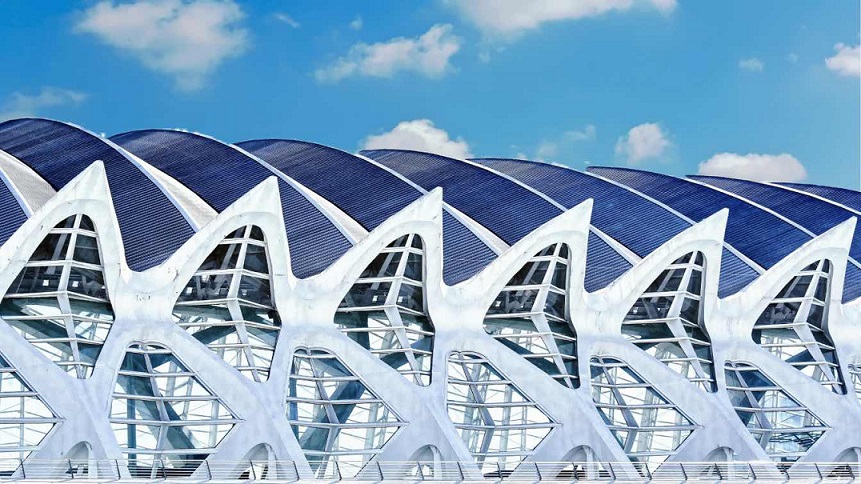
The Importance of a Strong and Reliable Roof Structure
A roof is one of the most essential components of any property because it provides protection against weather conditions, moisture, temperature changes, and everyday environmental exposure. A well-designed roof does much more than cover a building; it supports structural integrity, improves energy efficiency, enhances comfort, and protects valuable interior spaces from potential damage. Because of the important role a roof plays, selecting the right materials and ensuring professional installation are critical steps for long-term performance.
Modern roofing systems are designed to provide improved durability, efficiency, and protection compared to older roofing methods. With advancements in materials and installation techniques, property owners now have access to a wide range of solutions that can meet different structural needs and design preferences. Whether a property requires a new roof, replacement, repairs, or ongoing maintenance, choosing the right system helps ensure dependable performance throughout the years.
A successful roofing project depends on several factors, including material quality, installation expertise, ventilation, drainage, and regular maintenance. Even the most durable materials may fail if they are not installed correctly or maintained properly. Professional roofing contractors evaluate each property carefully to determine the best solution and ensure that every component works together effectively.Investing in a reliable roofing system provides long-term benefits by reducing repair concerns, improving property value, and creating a safer environment. A properly installed roof acts as a protective barrier that helps defend the structure against harsh weather while supporting overall building efficiency.
Understanding Different Types of Roofing Systems
Every property has unique requirements, which is why different roofing options are available to provide specific benefits. The right choice depends on factors such as building design, climate conditions, budget, maintenance preferences, and expected lifespan. Understanding the available options helps property owners make informed decisions when planning roofing improvements.Asphalt shingle systems are among the most common choices because they offer affordability, versatility, and dependable performance. They are available in various colors and styles, allowing homeowners to achieve attractive exterior designs while maintaining reliable protection. With proper installation and maintenance, asphalt shingles can provide many years of service.
Metal roofing systems are another popular option because of their strength and long lifespan. Metal materials are highly resistant to many environmental challenges, including strong winds, fire exposure, and temperature changes. They also offer energy-efficient benefits by reflecting sunlight and helping regulate indoor temperatures.Tile roofing provides a durable and visually appealing option for properties seeking a distinctive appearance. Tile materials are known for their resistance to weather conditions and their ability to maintain performance over long periods. Although they require proper structural support due to their weight, they can provide excellent durability when professionally installed.
If your roof has leaks, missing shingles, or visible damage, professional roof repair in Edmonton can help address problems before they become more extensive. A qualified roofing team can inspect affected areas, determine the likely cause, and complete appropriate repairs. Timely attention can help preserve your roof’s condition and reduce the risk of further property damage.
Flat roofing systems are commonly used for commercial buildings and structures with low-slope designs. These systems use specialized materials designed to create a protective waterproof barrier while supporting efficient drainage. Proper installation and maintenance are essential for preventing issues such as standing water and moisture damage.Synthetic roofing materials have also gained popularity because they combine modern technology with attractive designs. These materials can replicate the appearance of traditional options while providing improved resistance against environmental damage and lower maintenance requirements.
Roofing projects require careful planning, reliable materials, and experienced professionals who understand the needs of local properties. Raindeer Roofing, Calgary roofing contractors, provides professional support for homeowners and businesses seeking dependable roofing solutions. Their services can help address maintenance, improvements, and other roofing concerns while focusing on quality workmanship and lasting protection.
The Benefits of Professional Roofing Installation
The quality of installation plays a major role in determining how well a roof performs over time. Professional installation ensures that every part of the roofing structure is properly prepared, positioned, and secured according to industry standards.One of the biggest benefits of professional workmanship is improved durability. Skilled contractors understand how different materials respond to weather conditions and know the correct techniques needed to maximize their lifespan. Proper installation reduces the risk of common issues such as leaks, loose materials, poor drainage, and premature deterioration.
Professional installation also improves protection against moisture. Water damage is one of the most serious concerns affecting properties, and even small gaps or improperly sealed areas can allow moisture to enter the structure. Experienced contractors use quality underlayment, flashing, and sealing methods to create a stronger protective barrier.Energy efficiency is another advantage of a properly installed roofing system. A well-designed roof helps regulate indoor temperatures by supporting proper insulation and ventilation. This reduces unnecessary strain on heating and cooling equipment while creating a more comfortable interior environment.Another important benefit is improved property value. A strong, attractive roof enhances the overall appearance of a building and provides confidence to potential buyers. A professionally installed roofing system demonstrates that the property has received proper care and maintenance.
Key Components That Make a Roofing System Effective
A roofing structure is made up of multiple components that work together to provide reliable protection. Each part plays an important role in maintaining durability and performance.
The roof deck serves as the foundation of the entire system. It provides support for roofing materials and must remain strong and stable to ensure proper performance. Before installation begins, professionals inspect the decking to identify any damaged or weakened areas that need attention.Underlayment is another essential component because it provides an additional layer of protection against moisture. Installed beneath the outer roofing material, it helps prevent water from reaching the interior structure if the primary surface becomes compromised.
Flashing is used around vulnerable areas such as chimneys, vents, skylights, and roof edges. These locations require special protection because they are more likely to experience water intrusion. Proper flashing installation helps create a secure seal and reduces the risk of leaks.Ventilation systems also contribute significantly to roof performance. Proper airflow helps control moisture levels and temperature within the attic area. Without adequate ventilation, heat and humidity can build up, leading to material deterioration and reduced energy efficiency.Drainage systems, including gutters and downspouts, are equally important. They help move water away from the structure and prevent moisture accumulation around the roof and foundation. Maintaining effective drainage protects the entire property from water-related problems.
Signs That Your Roofing System Needs Attention
Even durable roofing materials require inspections and maintenance over time. Recognizing early warning signs allows property owners to address issues before they become more serious.Visible damage such as cracked, missing, or damaged roofing materials is one of the clearest indicators that professional evaluation may be needed. These problems can create openings that allow water to enter and affect the underlying structure.
Leaks are another common warning sign. Water stains on ceilings, damp insulation, or moisture inside the property may indicate problems with the roofing system. Professional inspections help locate the source of the issue and determine the most effective solution.Aging materials, frequent repairs, increased energy costs, and poor indoor comfort may also indicate that the roof is no longer performing efficiently. Addressing these concerns early helps prevent larger problems and protects the long-term value of the property.
The Importance of Regular Roofing Maintenance
A reliable roof requires ongoing care to maintain its strength, appearance, and performance over time. Even high-quality materials can experience wear due to continuous exposure to sunlight, rain, wind, and temperature changes. Regular maintenance helps identify small concerns early and prevents them from developing into major issues that require expensive repairs or replacement.Professional inspections are an important part of roof maintenance because they allow experts to evaluate the overall condition of the structure. During an inspection, contractors examine roofing materials, flashing, drainage components, ventilation systems, and other critical areas. This detailed evaluation helps identify damaged sections, moisture concerns, and potential weaknesses before they become serious problems.
Cleaning and maintaining drainage systems is another essential step in protecting a roof. Blocked gutters and downspouts can cause water to collect around the roof edges, increasing the risk of leaks and structural damage. Keeping drainage pathways clear allows water to move away from the property efficiently and reduces unnecessary stress on the roofing materials.Property owners should also remove debris from the roof surface and surrounding areas. Leaves, branches, and other materials can trap moisture and contribute to deterioration over time. Maintaining nearby trees and preventing branches from damaging the roof during storms further protects the structure.Regular maintenance not only extends the lifespan of the roof but also helps preserve its appearance and efficiency. A well-maintained roof continues to provide dependable protection while reducing the likelihood of unexpected problems.
Repair and Replacement Considerations
Over time, every roof experiences some level of wear, and determining whether repairs or replacement are needed is an important decision. Minor problems can often be corrected with professional repairs, while extensive damage or aging materials may require a complete replacement.Small issues such as damaged shingles, minor leaks, or worn flashing should be addressed quickly to prevent further deterioration. Professional repairs restore affected areas and help maintain the overall performance of the roofing structure. Ignoring these problems can allow moisture to spread and create more complicated damage.
In some situations, replacement becomes the more practical option. A roof that has reached the end of its expected lifespan, requires frequent repairs, or has experienced significant structural damage may no longer provide adequate protection. Installing a new system allows property owners to upgrade materials, improve efficiency, and enhance long-term reliability.Professional contractors evaluate the condition of the existing roof before recommending solutions. They consider factors such as material age, repair history, structural condition, and future property goals. This detailed assessment helps ensure that property owners choose the most beneficial option.A properly planned replacement project provides an opportunity to improve the entire roofing structure, including insulation, ventilation, and drainage systems. These improvements can increase comfort, reduce maintenance needs, and provide better protection for years.
Improving Energy Efficiency Through Roofing Upgrades
A well-designed roof contributes significantly to the energy efficiency of a property. Poorly performing roofs can allow heat transfer, moisture buildup, and air leakage, causing heating and cooling systems to work harder. Modern roofing solutions help create a more balanced indoor environment while reducing unnecessary energy consumption.Proper insulation and ventilation are key elements of an efficient roofing structure. Insulation helps maintain indoor temperatures, while ventilation controls heat and moisture levels in the attic area. Together, these components improve comfort and reduce strain on HVAC systems.
Reflective roofing materials can also support energy efficiency by reducing heat absorption from sunlight. This is especially beneficial during warmer months when excessive heat can increase indoor temperatures and energy usage.Upgrading outdated materials with modern options allows property owners to benefit from improved technology and better performance. Professional contractors can recommend solutions that align with the specific needs of the property while helping achieve greater efficiency.
Choosing the Right Roofing Professional
The success of any roofing project depends heavily on the experience and quality of the contractor performing the work. Choosing a reliable professional ensures that the roofing system is installed correctly and maintained according to industry standards.Experienced contractors provide detailed evaluations, transparent recommendations, and quality workmanship throughout the entire process. They understand how different materials perform and know the techniques required to achieve durable results.
A dependable roofing professional focuses on long-term solutions rather than temporary fixes. They inspect the complete structure, explain available options, and help property owners make informed decisions based on their needs and budget.Communication is another important factor when selecting a contractor. Reliable professionals keep clients informed, explain project details clearly, and answer questions throughout the process. This creates a smoother experience and ensures expectations are properly managed.Working with qualified experts provides confidence that the roofing project will be completed safely, efficiently, and with lasting quality.
Protecting Your Property with Reliable Roofing Solutions
A strong roof is an investment that protects the entire property from weather exposure, moisture damage, and structural concerns. Choosing dependable materials, professional installation, and regular maintenance helps create a system that performs effectively for many years.Modern roofing systems provide improved durability, efficiency, and design flexibility, allowing property owners to select solutions that meet their specific requirements. Whether the goal is improving appearance, increasing energy efficiency, or protecting against environmental challenges, a professionally designed roof offers long-term value.
Preventive care and timely repairs are essential for preserving roof performance. By addressing problems early and maintaining the system properly, property owners can avoid unnecessary expenses while extending the useful life of their investment.A reliable roofing structure improves safety, comfort, and property value. With expert installation and ongoing care, homeowners and businesses can enjoy dependable protection through changing conditions.
Conclusion
A quality roofing system is a vital part of any property because it provides protection, improves efficiency, and supports long-term structural performance. From selecting the right materials to ensuring professional installation and regular maintenance, every step plays an important role in creating a dependable roof.Investing in professional roofing systems allows property owners to benefit from advanced materials, improved durability, and reliable protection against weather challenges. Proper inspections, timely repairs, and routine maintenance further enhance performance and extend the lifespan of the structure.By choosing experienced roofing professionals and prioritizing quality solutions, property owners can maintain a safer, more efficient, and more valuable property. A well-designed roofing system is not only a protective layer above a building but also a long-term investment in comfort, security, and peace of mind.