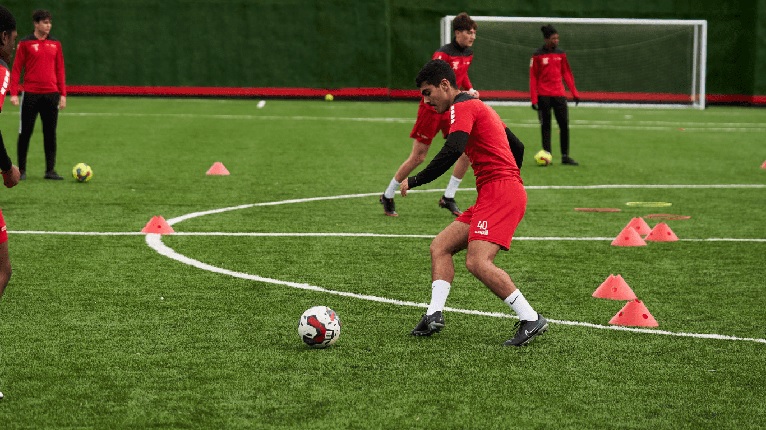
Introduction to Modern Football Development
Football is a sport that requires dedication, skill, teamwork, and continuous improvement. Young players who want to become better athletes need proper guidance, regular practice, and a structured environment where they can develop their abilities. A well-planned training approach helps players improve their technical skills while also building confidence and understanding of the game. The journey of becoming a successful football player is not only about scoring goals or winning matches; it is about learning discipline, teamwork, and decision-making. A professional soccer development program provides players with the opportunity to improve different aspects of their performance through organised coaching sessions, practical exercises, and competitive activities. These programmes focus on creating complete athletes who understand both individual responsibilities and team objectives. With the right support and consistent effort, players can develop the skills and mindset required to progress in football.
The Importance of Structured Football Training
Structured training plays an important role in helping players reach their full potential. Casual practice can improve basic abilities, but organised training provides a clear pathway for long-term development. Coaches create sessions that focus on different areas, including passing, shooting, ball control, movement, and tactical awareness. These activities allow players to understand the technical and strategic elements of football in a more effective way. A strong training structure also helps athletes identify their weaknesses and work on improving them through regular practice. The purpose of a quality training environment is not only to create better players but also to encourage positive habits and a strong work ethic. When players follow a planned development process, they gain confidence and become more comfortable handling different situations during matches. A reliable training system can make a significant difference in a player’s progress and future opportunities.
Developing Technical Skills and Game Awareness
Technical ability is one of the most important parts of football development because players need strong foundations to perform effectively. Skills such as dribbling, passing, shooting, and controlling the ball require regular practice and proper instruction. Coaches help players understand the correct techniques and teach them how to apply these skills during real game situations. A complete soccer development program focuses on improving individual abilities while also teaching players how their actions affect the entire team. Game awareness is another important area because football is not only about physical ability but also about making quick and intelligent decisions. Players learn how to read the game, create opportunities, defend effectively, and communicate with teammates. These skills develop over time through repeated practice, match experiences, and guidance from experienced coaches. By improving technical abilities and football intelligence, players become more adaptable and confident on the field.
Building Physical Strength and Fitness
Football requires players to maintain high levels of energy, speed, and endurance throughout every match. Physical preparation helps athletes perform better and reduces the risk of injuries caused by poor conditioning. Training sessions often include exercises that improve strength, flexibility, balance, and quick movement. However, physical fitness should always be combined with technical and tactical development to create complete footballers. Players need to understand how to use their physical abilities effectively during different moments of the game. A professional training system focuses on developing athletes who can maintain performance levels while making smart decisions under pressure. The best programmes include age-appropriate fitness activities that support healthy growth and long-term progress. Through consistent training, players can improve their stamina and become more prepared for challenging competitions.
The Role of Coaching in Player Growth
Quality coaching is one of the most important factors in successful football development. Experienced coaches provide knowledge, motivation, and guidance that help players improve their performance. They create training plans based on the needs of individual athletes and help them understand how to overcome challenges. Coaches also teach important values such as respect, discipline, teamwork, and commitment. A good coach does not only focus on winning but also on helping players develop skills that will benefit them throughout their football journey. A carefully designed soccer development program gives coaches the opportunity to monitor progress and provide feedback that supports continuous improvement. Players who receive proper guidance are more likely to build confidence and develop a positive attitude toward learning. The relationship between coaches and athletes creates a supportive environment where players can improve while enjoying the process of development.
Encouraging Teamwork and Communication
Football is a team sport, and success depends on how well players work together. Individual talent is important, but effective communication and cooperation often determine the outcome of matches. Training programmes teach players how to support teammates, understand different roles, and contribute to collective goals. Through group exercises and practice matches, athletes learn how to trust each other and solve problems together. These experiences help players develop leadership skills and a better understanding of teamwork. A strong football environment encourages players to respect their teammates and appreciate the efforts of others. Learning how to communicate effectively on and off the field creates stronger teams and more confident individuals. These lessons are valuable not only in football but also in everyday life.
Creating Confidence and Mental Strength
Mental preparation is an essential part of football success because players must handle pressure, mistakes, and difficult situations. Confidence allows athletes to perform their skills without fear and make better decisions during matches. Training programmes often include competitive activities that challenge players and help them develop resilience. Learning how to respond after a mistake or a difficult game is an important part of becoming a stronger athlete. A positive mindset helps players stay motivated and continue improving even when progress takes time. A quality training system focuses on developing both physical and mental abilities so players can become more complete performers. The right environment encourages athletes to believe in their abilities while understanding the importance of continuous learning and effort.
Choosing the Right Development Approach
Selecting the right training option is important because every player has different goals, abilities, and learning needs. Some athletes may want to improve basic skills, while others may aim to prepare for advanced competition. Families and players should consider factors such as coaching quality, training methods, player support, and overall development philosophy. A suitable programme should provide challenges that encourage improvement without creating unnecessary pressure. The goal should be to create an enjoyable and productive experience where players can grow at their own pace. The soccer development program approach focuses on balanced growth by combining technical training, physical preparation, tactical understanding, and personal development. When players participate in the right environment, they are more likely to stay motivated and continue their football journey with confidence.
The Benefits of Long-Term Football Development
Football improvement requires patience because meaningful progress happens through consistent effort over time. Players who commit themselves to regular training can gradually improve their abilities and gain valuable experience. Long-term development allows athletes to build strong foundations instead of focusing only on short-term results. It teaches them the importance of dedication, discipline, and responsibility. A successful football journey involves learning from both achievements and challenges. Training programmes that support long-term growth help players develop skills that remain valuable throughout their sporting careers. The lessons learned through football can also improve personal qualities such as confidence, leadership, and teamwork. These benefits make structured development an important part of becoming a well-rounded athlete.
Modern Techniques in Football Training
Football training continues to improve as coaches introduce new methods and approaches to player development. Modern programmes often include performance analysis, advanced drills, and creative exercises that help athletes understand the game better. While technology and new strategies can support improvement, the basic principles of football development remain the same. Players still need dedication, practice, and a willingness to learn. A balanced training approach combines traditional football values with modern techniques to create effective learning experiences. The purpose of these methods is to help players reach their potential while maintaining enjoyment and passion for the sport. A complete training system provides opportunities for athletes to improve their skills, understand football more deeply, and prepare for future challenges.
Conclusion
Football development is a continuous journey that requires commitment, guidance, and the right learning environment. Players who receive proper training can improve their technical abilities, physical performance, and mental strength while developing important life skills. A successful programme focuses on creating confident athletes who understand the importance of teamwork, discipline, and continuous improvement. The use of a structured soccer development program helps players receive organised coaching and valuable experiences that support their growth. By investing time and effort into training, athletes can build strong foundations and enjoy greater success in football. The lessons gained from football development extend beyond the field and help players become responsible, determined, and confident individuals.