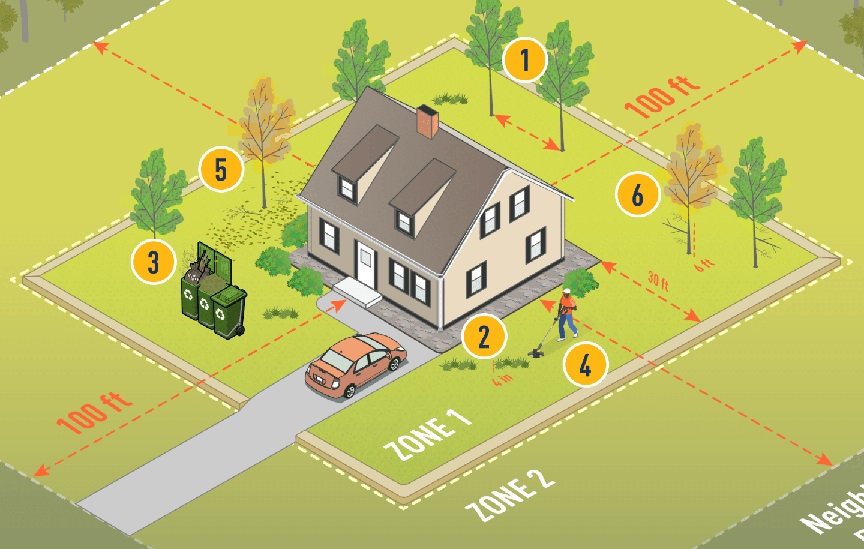
Creating a safe and well-maintained property requires more than regular cleaning and basic landscaping. Outdoor areas contain many elements, including trees, shrubs, grass, and other vegetation, that need proper care and management to maintain a healthy environment. Without regular attention, overgrown plants, dry materials, and unmanaged spaces can create challenges that affect property safety and appearance. A planned approach to landscape maintenance helps property owners improve organization, reduce potential risks, and create a more functional outdoor area.Many people focus on the beauty of their landscapes but may overlook the importance of proper arrangement and maintenance. Plants that grow too close together, branches that become damaged, and debris that collects over time can make outdoor spaces harder to manage. By understanding how vegetation and property features interact, owners can take effective steps to improve safety while preserving the natural benefits of their surroundings.The idea of defensible space focuses on creating a carefully managed area around structures by controlling vegetation, removing unnecessary materials, and maintaining a cleaner landscape. This approach helps reduce risks and improves the ability to manage outdoor areas effectively. With proper planning, property owners can create a balanced environment where plants, structures, and open spaces work together in a safer and more organized way.
Understanding the Purpose of Defensible Space
The main goal of defensible space is to create a protective area around buildings and important structures through thoughtful landscape management. This involves controlling plant growth, maintaining proper spacing, and removing materials that may create unnecessary concerns. A well-planned outdoor area allows property owners to identify possible problems early and address them before they become more difficult to manage.Creating this type of space does not mean removing all vegetation or eliminating natural beauty from a property. Instead, it involves making smart decisions about where plants are placed and how they are maintained. Healthy trees, properly trimmed shrubs, and organized landscapes can continue to provide beauty while supporting better property management.A successful defensible space plan focuses on balance. It combines natural landscape features with practical maintenance strategies to create an outdoor environment that is attractive, accessible, and easier to care for. This approach allows property owners to enjoy their surroundings while taking responsible steps toward improved protection and organization.
Importance of Proper Vegetation Management
Vegetation management is one of the most important parts of maintaining a safer outdoor environment. Plants require regular care to remain healthy and manageable. Without proper trimming and maintenance, vegetation can become crowded, overgrown, and difficult to control. Regular attention helps maintain better spacing and improves the overall condition of the landscape.Trees require special consideration because they can become large and complex over time. Removing dead branches, maintaining healthy growth, and monitoring tree conditions are important parts of responsible property care. Proper tree maintenance improves appearance while reducing problems caused by damaged or neglected growth.Shrubs, grasses, and other plants also require thoughtful management. Keeping vegetation organized and maintained creates a cleaner landscape and makes future care easier. Choosing plants that fit the available space and maintenance requirements helps property owners create a more practical and sustainable outdoor area.
Creating an Effective Landscape Management Plan
A successful landscape plan begins with understanding the current condition of the property. Property owners should evaluate trees, plants, structures, pathways, and outdoor materials to identify areas that require attention. This assessment helps determine which improvements will provide the greatest benefits.One important step is organizing plants and materials in a way that supports easier maintenance. Overcrowded vegetation can create challenges, while properly spaced plants are generally easier to care for. Thoughtful placement improves accessibility and allows property owners to maintain their outdoor spaces more efficiently.A long-term plan should also include regular inspections and seasonal maintenance. Outdoor conditions change over time, and plants continue to grow. By reviewing the landscape regularly, property owners can make adjustments and keep their outdoor areas in better condition throughout the year.
Benefits of Maintaining a Well-Managed Outdoor Area
A properly maintained outdoor space provides many benefits beyond appearance. One major advantage is improved safety because organized landscapes are easier to monitor and maintain. When vegetation is controlled and debris is removed, property owners can identify potential concerns more quickly and take appropriate action.Another benefit is improved property value. A clean, attractive, and well-maintained landscape creates a positive impression and enhances the overall appearance of a property. Good outdoor management shows attention to detail and contributes to a more enjoyable living environment.The use of defensible space practices also encourages better maintenance habits. Instead of waiting until problems become serious, property owners can take preventive steps to maintain healthier landscapes. Regular care often requires less effort and expense compared with addressing major issues after they develop.
Key Areas That Require Regular Attention
Certain areas of a property require more frequent monitoring because they have a greater impact on overall landscape conditions. The space immediately surrounding structures should be kept organized and free from unnecessary materials. This area benefits from regular cleaning, plant maintenance, and careful planning.Trees near buildings should be inspected regularly to ensure they remain healthy and properly maintained. Damaged branches, excessive growth, and other concerns should be addressed as part of routine property care. Proper attention helps maintain both safety and appearance.Open areas around a property should also receive regular maintenance. Grass, shrubs, and natural materials can change quickly depending on weather and seasonal conditions. Keeping these areas managed supports a cleaner landscape and reduces future maintenance challenges.
The Role of Regular Maintenance Practices
Consistent maintenance is essential for keeping outdoor spaces functional and attractive. Simple tasks such as trimming plants, removing fallen materials, and cleaning outdoor areas can have a significant impact over time. Regular care prevents small issues from becoming larger problems.Watering, pruning, and monitoring plant health are also important parts of landscape management. Healthy vegetation is easier to maintain and contributes positively to the overall appearance of the property. Proper care supports stronger plant growth and creates a more balanced environment.Property owners should create a routine that matches their landscape needs. Some properties may require frequent attention, while others may need seasonal maintenance. Developing a consistent schedule helps ensure that outdoor areas remain organized and manageable.
Common Mistakes in Outdoor Property Management
One common mistake is ignoring landscape growth until it becomes difficult to control. Plants can change significantly over time, and delayed maintenance often creates more complicated challenges. Regular care helps prevent excessive growth and keeps outdoor areas easier to manage.Another mistake is placing plants too close together or too close to important structures. Proper spacing allows better airflow, easier maintenance, and improved organization. Planning plant placement carefully creates a healthier and more practical landscape.Failing to remove outdoor debris is another issue that can affect property conditions. Fallen branches, dry materials, and unused items can accumulate over time. Regular cleanup keeps spaces organized and supports better overall property management.
How Professional Services Can Help
Managing a large or complex landscape can require specialized knowledge and equipment. Professional services can assist with tasks such as tree maintenance, vegetation management, landscape evaluation, and improvement planning. Their experience helps property owners address challenges more effectively.Professionals can provide valuable recommendations based on the specific conditions of a property. They can identify areas that require attention and suggest practical solutions for improving landscape organization. This guidance helps create better results while reducing unnecessary effort.Using professional assistance for defensible space planning can make property management easier and more efficient. Experts understand how different landscape elements work together and can help develop strategies that support long-term safety and maintenance goals.
Preparing for Long-Term Landscape Success
Creating a safer outdoor environment requires ongoing commitment rather than a one-time effort. Plants continue to grow, weather conditions change, and property needs may evolve over time. Regular evaluation and maintenance help ensure that outdoor spaces remain effective and manageable.Seasonal planning is also important because different times of the year may require different maintenance activities. Preparing ahead allows property owners to address changes before they create larger challenges. A proactive approach supports better results and reduces unexpected problems.By following the principles of defensible space, property owners can create landscapes that are both beautiful and practical. Thoughtful planning, consistent care, and responsible management contribute to a healthier outdoor environment that remains easier to maintain over time.
Final Thoughts on Better Property Protection and Management
A well-managed landscape improves more than just the appearance of a property. It supports safety, organization, and long-term value while creating a more enjoyable outdoor environment. Understanding the importance of vegetation control, regular maintenance, and thoughtful planning allows property owners to make better decisions.Creating effective defensible space requires attention to detail and consistent effort. By managing plants, removing unnecessary materials, and maintaining organized outdoor areas, property owners can reduce potential challenges and improve overall conditions around their structures.With proper planning and responsible landscape care, any property can become safer, cleaner, and easier to manage. A thoughtful approach to outdoor maintenance provides lasting benefits and helps create a balanced environment where natural beauty and practical protection work together.