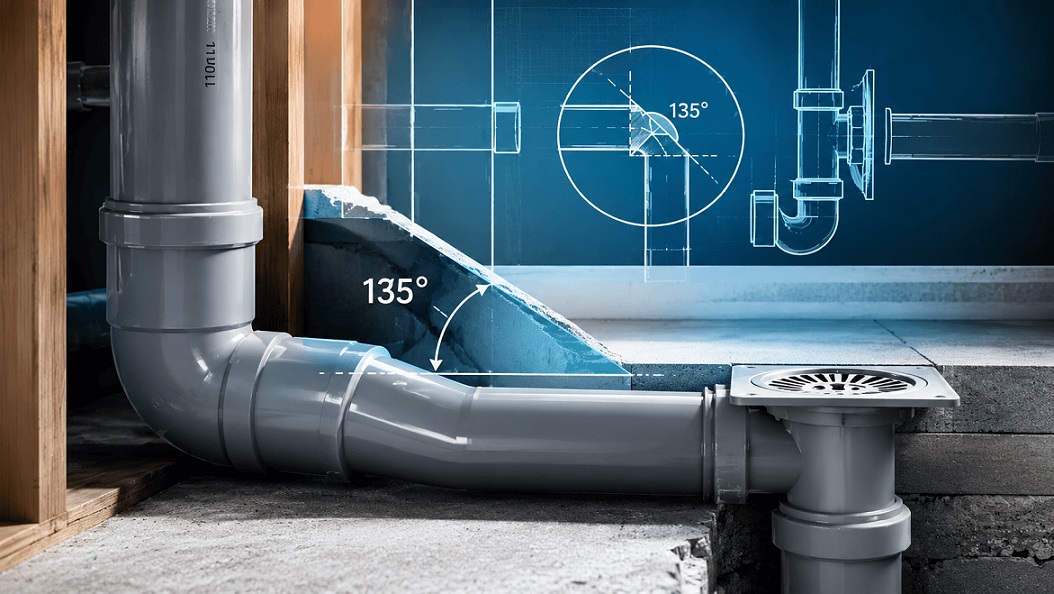
A properly functioning drainage system is essential for maintaining a safe, comfortable, and efficient property. Over time, plumbing layouts can become outdated, damaged, or unsuitable for changing needs. When existing drain lines no longer perform effectively, a drain reroute can provide a practical solution by redirecting plumbing pathways and creating a more reliable drainage system.
Drain reroutes are often required when pipes become damaged, difficult to access, incorrectly installed, or affected by structural changes. Instead of replacing an entire plumbing system, rerouting allows professionals to create a new path for wastewater flow while avoiding problematic areas. This process can improve drainage performance, reduce the risk of recurring plumbing issues, and protect the overall condition of a property.
Understanding what drain reroutes involve, why they are needed, common signs of problems, the installation process, and the benefits they provide can help property owners make informed decisions when facing complex plumbing challenges.
What Is a Drain Reroute?
A drain reroute is a plumbing procedure that involves changing the existing path of drain pipes to create a new route for wastewater movement. Instead of repairing a damaged section of pipe in its current location, plumbers redirect the line through a different pathway that allows the drainage system to function properly.
Drain reroutes are commonly used when existing pipes are located in difficult-to-access areas, have significant damage, or are affected by issues that make traditional repairs impractical. The new drainage route is designed to connect fixtures to the main drainage system while improving reliability and accessibility.
The process requires careful planning because drainage systems rely on proper slope, connections, and pipe sizing to work correctly. Professional plumbers evaluate the existing system, identify the cause of the problem, and design a reroute that meets plumbing standards.
Reasons a Drain Reroute May Be Necessary
There are several situations where a drain reroute may be the most effective solution. One common reason is severe pipe damage. Older drain lines can develop cracks, corrosion, leaks, or breaks that affect their ability to transport wastewater properly.
In some cases, repairing damaged pipes in their original location may require extensive demolition. A reroute can reduce disruption by creating a new pathway that avoids damaged sections and minimizes access challenges.
Another reason for rerouting drains is remodeling or property renovations. Changes to bathrooms, kitchens, laundry areas, or building layouts may require adjustments to existing plumbing routes. A drain reroute allows plumbing systems to accommodate new designs while maintaining proper function.
Poor original plumbing design can also lead to drainage problems. Pipes that were installed incorrectly may have inadequate slope, frequent blockages, or inefficient connections. Redirecting the system can improve overall performance and reduce recurring issues.
Common Signs You May Need a Drain Reroute
Identifying drainage problems early can help prevent extensive damage. One common warning sign is repeated drain backups. If sinks, showers, or toilets frequently experience slow drainage or backups despite regular cleaning, there may be a deeper issue with the drain lines.
Persistent unpleasant odors are another possible indicator. Damaged or improperly functioning drain pipes can allow sewer gases to enter the property, creating uncomfortable smells and potential health concerns.
Water damage signs may also suggest drain line problems. Moisture stains, mold growth, damp areas, or unexplained water accumulation can indicate leaks within the plumbing system.
Unusual sounds from drains, such as gurgling or bubbling noises, may point to airflow problems or blockages within the drainage network. These issues should be inspected before they become more serious.
Frequent plumbing repairs can also signal that the existing drain layout is no longer reliable. If the same problems continue to return, a reroute may provide a more permanent solution.
How Drain Reroutes Work
A professional drain reroute begins with a detailed inspection of the existing plumbing system. Plumbers evaluate the current pipe layout, identify problem areas, and determine whether rerouting is the best option.
Modern diagnostic tools may be used to locate damaged sections and understand the condition of underground or hidden pipes. This allows professionals to create an accurate plan before beginning work.
Once the new route is designed, the old drain pathway is carefully disconnected or abandoned as needed. New pipes are installed along the planned route, ensuring proper connections, slope, and drainage flow.
After installation, the system is tested to confirm that wastewater moves correctly and that there are no leaks or performance issues. Proper testing ensures the new drainage pathway functions safely and efficiently.
The Importance of Professional Drain Rerouting
Drain rerouting is a complex plumbing project that requires technical knowledge and experience. Unlike simple drain cleaning or minor repairs, rerouting involves modifying the structure of the plumbing system.
Professional plumbers understand how drainage systems operate and know the importance of proper pipe placement, ventilation, and connections. Incorrect installation can lead to new problems such as leaks, slow drainage, or repeated blockages.
Experienced professionals also help minimize disruption during the project. They can identify the most efficient route, reduce unnecessary work, and complete the installation according to industry standards.
Hiring qualified professionals provides confidence that the rerouted drainage system will perform reliably for years.
Benefits of Drain Reroutes
One of the biggest advantages of a drain reroute is improved reliability. By replacing problematic sections and creating a better pathway, rerouting can reduce recurring drainage issues and improve overall plumbing performance.
Another benefit is reduced maintenance needs. Old or damaged drain lines often require frequent repairs, while a properly installed rerouted system can provide a more dependable long-term solution.
Drain reroutes can also protect property structures. Leaking or damaged drain pipes can cause moisture damage to walls, floors, foundations, and other areas. Redirecting the system helps prevent these risks.
For renovation projects, drain rerouting provides greater flexibility. It allows homeowners and builders to redesign spaces while ensuring plumbing systems support the new layout.
Drain Reroutes During Remodeling Projects
Home renovations often require changes to plumbing systems. Moving a bathroom fixture, expanding a kitchen, or creating a new living area may require adjustments to existing drain lines.
A drain reroute allows plumbing to adapt to these changes without compromising performance. Professional planning ensures that new fixture locations connect properly to the drainage system.During remodeling, rerouting can also help improve outdated plumbing designs. Older layouts may not meet current needs, and a new drainage pathway can provide better functionality.
Working with a professional plumber during the planning stage helps ensure that plumbing changes integrate smoothly with the overall renovation design.
Factors That Affect Drain Reroute Costs
The cost of a drain reroute depends on several factors, including the complexity of the project, pipe accessibility, materials required, and the length of the new drainage pathway.
Projects involving easily accessible pipes may require less labor than those requiring work behind walls, under floors, or beneath concrete surfaces. The condition of the existing plumbing system can also affect the overall scope of work.
The type of property and the number of fixtures involved may influence the project requirements as well. Larger or more complex drainage systems generally require additional planning and installation time.A professional inspection provides the most accurate understanding of the work needed and helps property owners plan appropriately.
Maintaining a Rerouted Drain System
After completing a drain reroute, proper maintenance helps preserve the performance of the new system. Regular inspections allow homeowners to identify potential concerns before they become major problems.
Avoiding improper items in drains is one of the simplest ways to protect plumbing systems. Grease, harsh chemicals, and non-flushable materials can contribute to blockages and damage.
Professional drain cleaning may also help maintain smooth wastewater flow. Periodic evaluation ensures that pipes remain clear and connections continue functioning properly.
Paying attention to early warning signs, such as slow drainage or unusual odors, allows problems to be addressed quickly.When a drain line develops problems, property owners often need to decide between repairing the existing pipe and rerouting the system. Traditional repairs may be effective for minor damage that is easy to access.
However, when pipes are severely damaged, poorly positioned, or repeatedly failing, rerouting may provide a better long-term solution. It addresses the underlying problem rather than repeatedly repairing the same section.A professional plumber can evaluate the condition of the existing system and recommend the most practical option based on performance, cost, and future reliability.
Final Thoughts on Drain Reroutes
Drain reroutes provide an effective solution for properties experiencing serious drainage issues, outdated plumbing layouts, or renovation-related changes. By creating a new pathway for wastewater flow, rerouting improves reliability, protects structures, and reduces recurring plumbing problems.
Although drain reroutes require careful planning and professional expertise, the long-term benefits often make them a valuable investment. A properly designed and installed drainage system supports better performance and provides peace of mind for property owners.
Understanding the signs of drainage problems and seeking professional assistance when needed can help prevent costly damage. With the right approach, a drain reroute can create a stronger, more efficient plumbing system that continues to function effectively for many years.