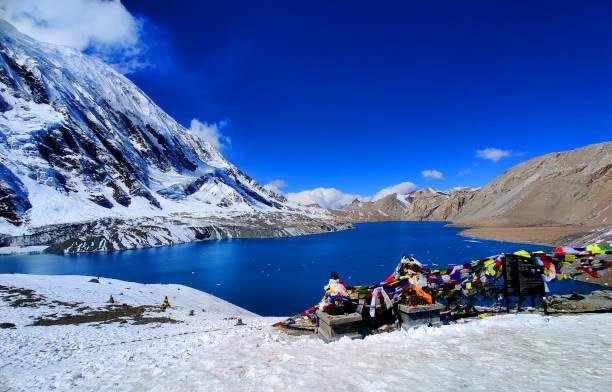
Annapurna Circuit is one of my favourite trekking routes in the world, where you stroll through various landscapes from subtropical wooded areas, high altitude desert to Thorong La Pass 5416m above sea level. Whilst going, selecting the proper time on your trek is fundamental; Himalayan weather dictates the entirety from path conditions and visibility to teahouse vacancy and crowd size. The “nice” time will ultimately rely upon what your priorities are: gold standard weather, blossoming florals, less crowded conditions, or a tough-as-nails winter ride. This one-stop travel guide includes everything you need to know for the entire year so you can book your dream trek with confidence.
Fall: Unbeatable (September-November)
Autumn is the most popular time to hike the Annapurna Circuit, with the fall post-monsoon months providing close to-perfect situations. Following the monsoon storms, between clouds of dirt and haze, clean skies sweep over the returned streets, and we’re rewarded with unmatched presentations of towering mountain giants, Annapurna and Dhaulagiri massifs, showing crisp, clear images. It is a pleasant walk on a day as it is neither too hot/cold, and moderate with 15∘°C to lower elevation will remain fixed. Also, thanks to its region-wide clear, steady weather, you’re not going to have a snowstorm on your hands as you cross over Thorong La Pass (despite near-freezing temperatures at higher elevations. Indrani Datta, a local, said the trials are dry and solid, and there are fewer landslides than in the previous monsoon. It’s peak season right now, when the trails are most congested. You’ll be among plenty of other walkers on the trail, which creates a social buzz but also means you should book accommodation in advance – particularly at popular stops like Manang and Thorong Phedi. October is the most crowded/enjoyable of them all and has the highest demand/quality of weather.
Spring: The Blooming Beauty (MARCH-MAY)
Annapurna Circuit Trek Spring comes in second place with everything bright and green, even more vibrant than a dry, clear autumn day’s vegetation scape. If you’re looking for some good old-fashioned greener, and slightly less chilly weather, that’s no bad thing. The atmosphere is mild and pleasant, getting warmer as the season approaches. Special Highlights Most splendorous are the rhododendron forests that bloom on the lower and mid hill slopes, all red or pink roses (or white – colored) when contrasted against the now. The mornings are easy on the eye in pristine skies, which tend to cloud over a bit in the afternoons and early evening in late spring as the monsoon approaches (April–May It’s crowded, but spring is a little bit less cramped than peak fall, so you can have the quietest part of the woods all to yourself, specifically in March. The teahouses are open for business. This time of year is kind of a sweet spot — the weather’s good, there are fantastic flowers, and enough people around that you feel like it’s an outdoor community you’re part of, but not so many you want to turn back.
Monsoon (June – August):
It’s the sort of hiking called in my part of the world, where we hike in the summer monsoon season, “the worst of the best,” but it comes with some trade-offs that certain spirits of adventurers will find magnetic at a really primal level. Weather: torrential rain; the lower trails become muck and ice with a risk of landslides. The mountains are frequently obscured by cloud and fog. But the upper part of the circuit, especially on the other side past Manang, is a rain shadow that receives much less rainfall than you’d ever imagine, which makes for great trekking. The all-day soaking rain turns the green land right into a deep, lush Eden as the water tumbles down the mountainside, with flora everywhere and by no means seen like this in the dry season. The crowds are nearly non-existent, providing you with an unheard of level of tranquility and near interplay with the neighborhood lifestyle and panorama. Teahouse expenses might be marginally less, and you will obtain greater personal interest from neighborhood hosts. That is the season for knowledgeable, adaptable trekkers who’re prepared to cope with wet weather, leeches at lower altitudes, and the opportunity of changes in itineraries.
Iciness: the cruel Wonderland (December-February)
Winter trekking is for the prepared and experienced trekker who just can never get enough of these stunning snow-covered views and empty trails. This is low snow with potential for many trails and passes to close this season. It’s cold; uncomfortably so, especially at night, where it is going quite a few degrees below zero in the higher reaches like Thorong Phedi and High Camp. Chances are good that you will meet snow, and heavy snows can close the pass for days or weeks, so it may come down to luck when it comes to their passage. The sun is setting earlier, and we have to start work — and finish it — sooner. However, the cold, dry air also often means some of the clearest skies with a better view of snow-covered peaks.
Prioritizing Clear Views versus Solitude
What you are trying to accomplish on the walk is what will dictate your timing. The view is very good at any time of year, but probably the best view into the distance is in Autumn (October), when the sky far ahead is relatively cloudless – this comes from experience a couple of days after monsoon with clouds still covering mountains and dust everywhere as well as memories of previous years when I have seen distant mountains in splendid clear autumn weather. MONSOON (JULY/AUG): Looking for the wild flowers, wrens, and ecology sing in the monsoon as you take adventure trips to explore or just do bird watching. WINTER (JAN/FEB)The quest is for solitude/privacy – it’s either poor viability or cold on quiet trails. Greenery and spring bloom time- April: This is the month with the most picturesque & colorful of the forest (rhododendron) blooming.
Acclimatization and Safety of Thorong La Pass.
The Mustang trek features a pass crossing: the Thorong La Pass, 5,416m/17,769ft, is the most challenging single point of any trek, and certainly its safety depends on the season. The best time for the pass is early fall or late spring when there is little ice/snow. The winter pass is dangerously icy and snow-choke; therefore, it presents a heightened risk and requires an ice axe or crampons. And in summer, when there is no snow at all, the place turns out to be very cool and chilly at around 14000 feet due to cloud cover plus wet, so extra precautions are also needed. And you may need to wait out the weather.
Logistical Considerations and Cultural Immersion
Season: The season of the year is relevant to your trek information. Teahouses can be fully booked in high (autumn/spring) seasons, and flights to and from Kathmandu/Pokhara are often delayed due to backlogged trek congestion. On the other hand, there are also some teahouses closed in the off-season (winter/monsoon), so you will have fewer options for staying, and there might be fewer flights too. Also, if you fancy cultural festivals, the local indigenous groups celebrate their Dashain and Tihar (another excellent time for celebration) in the autumn, so it is a perfect time to trek with some added culture.
Last Word: Your style – It should suit the season
There is no definitive “right” time to do the Annapurna Circuit Trek, only the best time for you. Suitable for a novice as the first trimmer, want to have a simple try? – Go in Autumn (Late September -Mid-November) for less weather fluctuation and THE ideal view! If you love nature, choose Spring (April to early May), and do not miss the enchanting flowering of rhododendrons. If you want isolation, then Monsoon (July to August) — You will tramp through muddy treks which have no other footprints, or Winter (December) — Trade off spacious silence for cold. Take this into consideration with the right gear for you, try to circle a couple of buffer days in your agenda in case you are confronted with bad weather, and be spoiled with an amazing trek any season you go on a walk around the Annapurna Massif.