Introduction
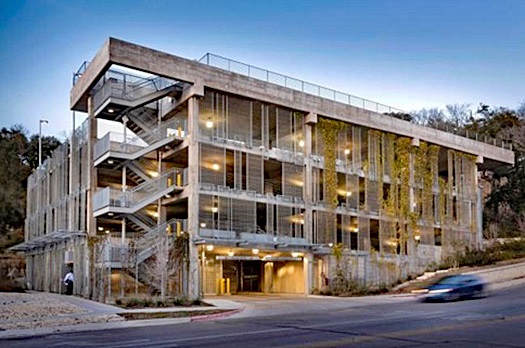
A well-designed vehicle storage area is an essential part of residential, commercial, industrial, and public infrastructure. As the number of vehicles continues to increase, the demand for organized, safe, and efficient spaces has become more important than ever. A properly planned parking area does not simply provide a place for vehicles to stop; it improves traffic flow, enhances property value, increases convenience, and creates a safer environment for drivers and pedestrians.
Modern parking solutions require careful consideration of design, materials, accessibility, safety features, and long-term maintenance. Poorly planned spaces can create unnecessary congestion, increase accident risks, and lead to expensive repairs. On the other hand, professionally designed facilities can maximize available space while providing a smooth experience for everyone who uses them.
A successful parking system should balance functionality with appearance. Clear markings, durable surfaces, proper lighting, drainage solutions, and organized layouts all contribute to a better user experience. Whether serving a small business, residential community, office building, shopping area, or large facility, an effective parking design plays an important role in daily operations.
The importance of a high-quality parking lot extends beyond vehicle storage. It represents the first impression visitors receive when arriving at a property. A clean, organized, and well-maintained area reflects professionalism and attention to detail while creating a welcoming environment for customers, employees, and residents.
Importance of Proper Parking Design
Effective parking design begins with understanding how vehicles will move through the space. A poorly designed layout can cause confusion, reduce available capacity, and create safety concerns. Professional planning ensures that vehicles can enter, park, and exit efficiently without unnecessary delays.
One of the primary goals of parking design is maximizing available space without compromising safety. Designers must consider vehicle dimensions, traffic patterns, pedestrian pathways, and accessibility requirements. A balanced layout allows more vehicles to be accommodated while maintaining comfortable movement.
Traffic flow is another important consideration. Clearly defined entrances, exits, driving lanes, and parking spaces help prevent congestion. Directional signs and pavement markings guide drivers and reduce confusion, especially in busy areas with high vehicle turnover.
Pedestrian safety should also be included in the planning process. Dedicated walkways, crossing areas, and proper visibility help protect people moving between vehicles and nearby buildings. Separating pedestrian areas from vehicle routes reduces the likelihood of accidents.
A thoughtfully designed parking area improves convenience for users while helping property owners make better use of available space. Proper planning during the initial stages can also reduce future maintenance costs and operational challenges.
Choosing the Right Surface Material
The surface material used in a parking area has a major impact on durability, appearance, and maintenance requirements. Since vehicles create constant pressure and movement, the surface must be strong enough to withstand daily use and changing weather conditions.
Asphalt is one of the most common materials because it provides a smooth driving surface, relatively quick installation, and cost-effective maintenance options. It is suitable for many applications and can be repaired efficiently when properly maintained.
Concrete is another popular choice, especially for areas that require exceptional strength and long-term durability. Although the initial investment may be higher, concrete surfaces can perform well under heavy traffic conditions when installed correctly.
The choice of material depends on factors such as expected vehicle volume, climate conditions, budget, and maintenance plans. Professional evaluation helps determine which option provides the best balance between performance and cost.
Surface quality also affects safety. Cracks, potholes, and uneven areas can create hazards for vehicles and pedestrians. Regular inspections and timely repairs help preserve the condition of the surface while preventing larger structural problems.
Key Features of a Functional Parking Area
A successful parking area includes several important features that improve safety, convenience, and efficiency. These elements work together to create a better experience for users.
Proper lighting is essential, especially in areas used during evening or nighttime hours. Well-placed lighting improves visibility, enhances security, and helps drivers navigate safely.
Clear pavement markings organize vehicle placement and maximize available space. Visible lines define individual spaces, traffic lanes, and restricted areas. Over time, markings may fade due to weather and vehicle activity, making periodic repainting necessary.
Drainage systems are another critical component. Rainwater accumulation can damage surfaces, create slippery conditions, and reduce the lifespan of pavement. Proper grading and drainage solutions prevent standing water and protect the structural integrity of the area.
Security features can also improve safety. Surveillance systems, emergency call points, and controlled access options may be beneficial for larger facilities. These measures help protect vehicles and provide reassurance for users.
Accessibility features are equally important. Designated spaces, accessible routes, and appropriate signage ensure that the facility can be used comfortably by all visitors.
Benefits of Professional Parking Construction
Professional construction provides several advantages compared with informal or poorly planned approaches. Experienced contractors understand the technical requirements involved in creating durable and efficient parking facilities.
A professionally built parking lot is designed with proper measurements, quality materials, and suitable construction techniques. This results in improved durability and fewer problems over time.
Expert contractors also understand the importance of proper preparation. Soil conditions, drainage requirements, and surface foundations must be evaluated before construction begins. Neglecting these factors can lead to premature damage and expensive repairs.Professional construction also ensures compliance with applicable standards and accessibility guidelines. Following established requirements helps create safer environments while avoiding potential legal or operational issues.
Additionally, experienced professionals can recommend solutions that improve long-term value. From selecting appropriate materials to designing efficient layouts, expert guidance helps property owners achieve better results.
Maintenance Practices for Long-Term Performance
Regular maintenance is essential for preserving the appearance and functionality of any vehicle storage area. Even high-quality construction requires ongoing care to maintain performance.
Routine inspections help identify small problems before they become major issues. Cracks, surface damage, faded markings, and drainage problems should be addressed promptly to prevent further deterioration.
Cleaning is another important maintenance activity. Removing debris, oil stains, leaves, and other materials helps maintain a cleaner appearance and reduces potential safety hazards.
Sealcoating is commonly used to protect asphalt surfaces from moisture, sunlight, and chemical damage. This protective layer can extend pavement life and improve appearance when applied at appropriate intervals.Line striping should also be refreshed when markings become difficult to see. Clear markings improve organization and help drivers park correctly.Proper maintenance reduces long-term repair costs and protects the original investment. A well-maintained facility remains safer, more attractive, and more functional over time.
Improving Safety and Security
Safety should always be a priority when designing and managing vehicle areas. A secure environment benefits drivers, pedestrians, property owners, and businesses.
Good visibility is one of the most effective safety measures. Adequate lighting, open sightlines, and organized layouts reduce risks and improve confidence among users.Speed control measures can also improve safety. Signs, traffic markings, and carefully designed lanes encourage responsible driving behavior within the area.
Security is equally important. Vehicle theft, vandalism, and unauthorized access are concerns that should be addressed through appropriate planning. Cameras, fencing, and monitoring systems can provide additional protection.
Emergency access should also be considered. Emergency vehicles need sufficient space to move through the area when required. Proper planning ensures that safety personnel can respond effectively.
A secure and well-managed environment creates a better experience for everyone using the facility.
Sustainable Parking Solutions
Environmental considerations have become increasingly important in modern construction. Sustainable parking solutions focus on reducing environmental impact while improving efficiency.
Permeable surfaces can help manage stormwater by allowing water to pass through the surface rather than creating excessive runoff. This approach can support better drainage and reduce pressure on local water systems.
Energy-efficient lighting systems can reduce electricity consumption while maintaining visibility and security. Solar-powered lighting options are also becoming more common in certain applications.
Landscaping elements can improve appearance while providing environmental benefits. Trees, planted areas, and green spaces can reduce heat buildup and create a more pleasant environment.
Sustainable design choices can benefit both property owners and users by creating efficient, attractive, and environmentally responsible spaces.
Managing Parking Areas Effectively
Proper management is just as important as construction and maintenance. Even a well-built facility requires organized management to operate efficiently.
Clear rules and signage help guide users and reduce confusion. Information about designated areas, restrictions, and traffic patterns improves overall organization.Regular monitoring helps identify issues such as unauthorized parking, damaged equipment, or safety concerns. Addressing problems quickly maintains a better environment.
Technology can also improve management efficiency. Digital payment systems, automated access controls, and parking management software can simplify operations and improve user convenience.Effective management ensures that available space is used properly while maintaining safety and organization.
Cost Considerations and Long-Term Value
The cost of developing and maintaining a parking facility depends on several factors, including size, materials, design complexity, and additional features. While reducing initial expenses may seem attractive, lower-quality solutions often result in higher costs over time.
Investing in durable materials and professional construction can reduce future repair requirements. Proper drainage, strong surfaces, and effective maintenance programs contribute to longer service life.
Property owners should consider the overall value rather than focusing only on upfront costs. A high-quality facility improves usability, enhances appearance, and can increase the value of the surrounding property.Long-term planning allows businesses and property managers to create solutions that remain effective for many years.
Future Trends in Parking Design
The future of parking design continues to evolve with advancements in technology and changing user expectations. Smart systems, automated management tools, and sustainable construction methods are becoming increasingly common.
Electric vehicle charging stations are one example of how parking areas are adapting to modern transportation trends. Integrating new technologies helps facilities remain useful as vehicle needs change.
Automated monitoring systems can provide real-time information about available spaces and improve operational efficiency. These technologies help reduce congestion and create smoother experiences for users.
Future designs are also expected to focus more on sustainability, accessibility, and multifunctional spaces. Parking areas may become more integrated with surrounding environments while offering additional benefits beyond vehicle storage.
Conclusion
A properly designed and maintained parking facility is an important part of modern infrastructure. It improves safety, enhances convenience, supports efficient traffic movement, and contributes to the overall appearance of a property.
From selecting durable materials to implementing effective maintenance practices, every detail plays a role in long-term performance. Professional planning ensures that parking spaces meet the needs of drivers while providing reliable value for property owners.
A well-managed parking lot is more than an area where vehicles are left temporarily. It is a carefully planned space that supports daily activities, improves accessibility, and creates a positive experience for users.
By investing in quality design, durable construction, regular maintenance, and modern management solutions, property owners can create parking environments that remain safe, functional, and attractive for years. As transportation needs continue to evolve, efficient parking solutions will remain an essential part of successful property development and management.