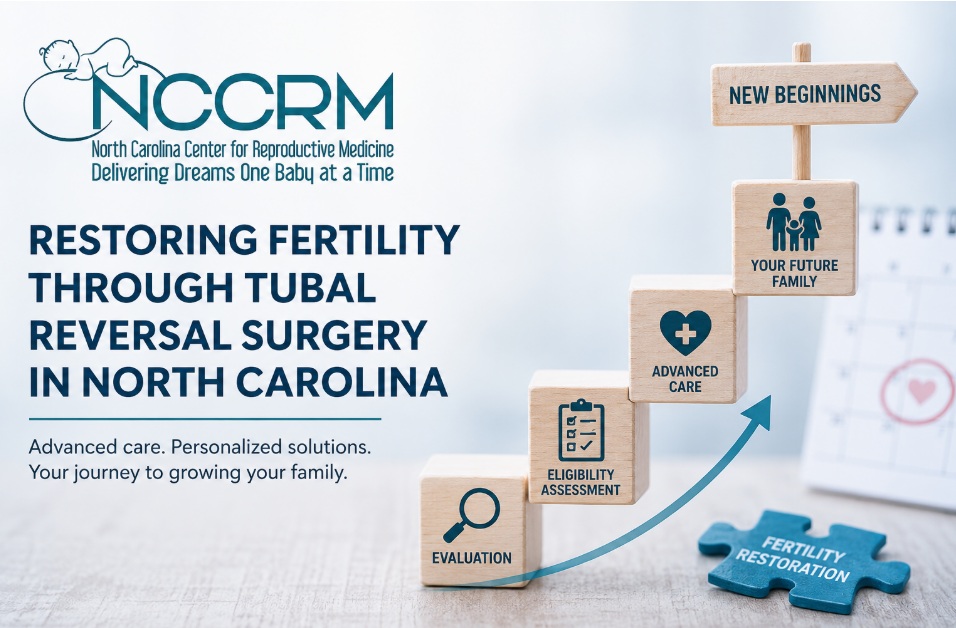
For many women, life circumstances can change after a tubal ligation procedure. A decision that once felt right may no longer reflect current family goals. This is why many patients explore tubal reversal surgery in North Carolina as a way to restore fertility and pursue pregnancy naturally. With advanced surgical techniques and personalized care, women now have more options than ever when considering fertility restoration.
Understanding Tubal Reversal Surgery
Tubal reversal surgery is a procedure designed to reconnect the fallopian tubes after they have been blocked, cut, tied, or sealed during a previous tubal ligation. The goal is to restore the natural pathway between the ovaries and the uterus, allowing fertilization to occur without relying on assisted reproductive treatments.
The success of the procedure depends on several factors, including:
- A woman’s age
- Overall reproductive health
- The type of tubal ligation previously performed
- The remaining length and condition of the fallopian tubes
- Partner fertility factors
Because every case is unique, a detailed evaluation is an important first step before moving forward with treatment.
Why Women Consider Tubal Reversal
There are many reasons why women choose to revisit their fertility options after having their tubes tied.
Some common reasons include:
Changes in Family Plans
Life can change in unexpected ways. Some women may enter a new marriage or relationship and decide they would like to have children with their current partner.
Desire for Natural Pregnancy
Many women prefer the possibility of conceiving naturally each month rather than undergoing repeated fertility treatments.
Long Term Family Building Goals
Unlike some fertility treatments that focus on a single pregnancy attempt, tubal reversal may allow for multiple future pregnancies if the procedure is successful.
Who May Be a Good Candidate?
Not everyone who has undergone tubal ligation will be an ideal candidate for tubal reversal surgery. A fertility specialist will evaluate several factors before recommending treatment.
Potential candidates often include women who:
- Have healthy remaining fallopian tube segments
- Are in good overall health
- Have normal ovarian function
- Do not have significant fertility issues unrelated to tubal ligation
- Wish to pursue natural conception
A personalized consultation helps determine whether tubal reversal surgery in North Carolina is the most appropriate path forward.
The Evaluation Process
Before surgery is recommended, patients typically undergo a thorough fertility assessment.
This evaluation may include:
Medical History Review
Specialists review previous surgical records, including details about the original tubal ligation procedure.
Fertility Testing
Testing may include hormone evaluations, ovarian reserve assessments, and imaging studies to evaluate reproductive health.
Partner Evaluation
In some cases, fertility testing for a partner may also be recommended to identify any factors that could affect conception.
This comprehensive approach helps create a treatment plan tailored to each patient’s situation.
What Happens During the Procedure?
Tubal reversal surgery involves reconnecting healthy sections of the fallopian tubes using microsurgical techniques. The procedure is performed with precision to maximize the chances of restoring normal tube function.
Key goals of the surgery include:
- Removing damaged portions of the tubes
- Reconnecting healthy segments
- Preserving proper blood supply
- Supporting normal egg and sperm movement
Advanced surgical methods are often used to improve outcomes and reduce recovery time.
Recovery After Surgery
Recovery experiences vary from patient to patient, but many women can gradually return to normal activities within a few weeks.
During recovery, patients may receive guidance regarding:
- Activity restrictions
- Follow up appointments
- Incision care
- Timing for attempting pregnancy
Following post operative instructions carefully can support healing and improve overall recovery.
Factors That Influence Success Rates
Several important factors can affect the likelihood of pregnancy after tubal reversal surgery.
Age
Age remains one of the most significant fertility factors. Younger women generally experience higher pregnancy rates after surgery.
Tubal Health
The condition and remaining length of the fallopian tubes play an important role in successful outcomes.
Type of Previous Tubal Ligation
Some tubal ligation methods leave more healthy tube tissue available for reconnection than others.
Overall Fertility Health
Hormonal balance, ovulation patterns, and reproductive health can all influence the chances of conception.
Because every patient is different, success rates should always be discussed during a personalized consultation.
When Tubal Reversal May Not Be Recommended
Although many women are good candidates, tubal reversal is not the best option for everyone.
Alternative fertility approaches may be considered when:
- The fallopian tubes are too damaged for repair
- Very little tube length remains
- Significant fertility issues are present
- Age related fertility decline is a major concern
A fertility specialist can explain all available options and help determine the most suitable path based on individual circumstances.
Benefits of Choosing an Experienced Fertility Center
Selecting a clinic with expertise in fertility restoration can make a meaningful difference throughout the treatment journey.
Patients often benefit from:
- Comprehensive fertility evaluations
- Personalized treatment planning
- Experienced surgical specialists
- Ongoing support throughout the process
- Guidance for both local and out of state patients
Clinics that specialize in tubal reversal surgery in North Carolina can provide detailed assessments and individualized recommendations that align with each patient’s reproductive goals.
For women hoping to restore fertility after a previous tubal ligation, modern surgical techniques continue to create opportunities for natural conception. With careful evaluation, experienced specialists, and a personalized treatment approach, many patients can move forward with renewed confidence as they pursue the next chapter of family building.