Smart Sunseeker Elite robot lawn mower technologies combine navigation, sensing, automation, and software to cut grass with minimal human effort. Instead of following random paths alone, modern models use advanced positioning systems, onboard sensors, and intelligent route planning to mow more accurately and efficiently. Many units can detect obstacles, adjust schedules, return to charging stations automatically, and let users manage settings through mobile apps. These features help maintain consistent lawn coverage while reducing wasted movement, energy use, and manual supervision. Understanding how these systems work makes it easier to see why robotic mowing has become a practical solution for convenient, precise, and low-maintenance lawn care.
How Do Smart Robot Lawn Mower Technologies Work?
GPS, RTK, and Boundary Systems for Precise Navigation
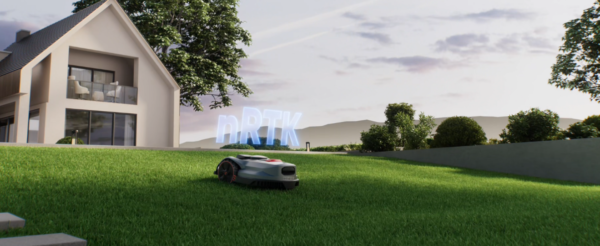
Smart robot lawn mowers rely on several navigation methods to stay within mowing areas and cover the lawn accurately. Basic models often use boundary wires that define the mowing zone and guide the mower back to its charging station. More advanced machines use GPS to track general position across larger properties. RTK, or real-time kinematic positioning, improves that accuracy dramatically by using satellite signals with a reference station, allowing near-centimeter-level guidance. This lets the mower travel in cleaner, more predictable paths instead of relying on random movement. Some systems also support virtual boundaries through app-based setup, reducing installation work while giving users more flexible control over mowing zones, no-go areas, and edge management.
Sensors, Cameras, and Obstacle Detection Technologies
Sensors and cameras help robot lawn mowers operate safely and smoothly around everyday lawn obstacles. Ultrasonic sensors can detect objects ahead before contact, while bump sensors respond when the mower touches a solid item and needs to change direction. Lift and tilt sensors stop the blades immediately if the machine is raised or tipped, adding an important safety layer. Some premium models use cameras and computer vision to recognize objects, navigate tighter spaces, and improve decision-making in complex yards. Wheel sensors monitor traction and movement, helping the mower adjust when terrain changes. Together, these systems reduce collisions, protect pets and garden features, and allow the mower to continue working with fewer interruptions and more reliable coverage.
AI-Powered Mapping and Route Planning Features
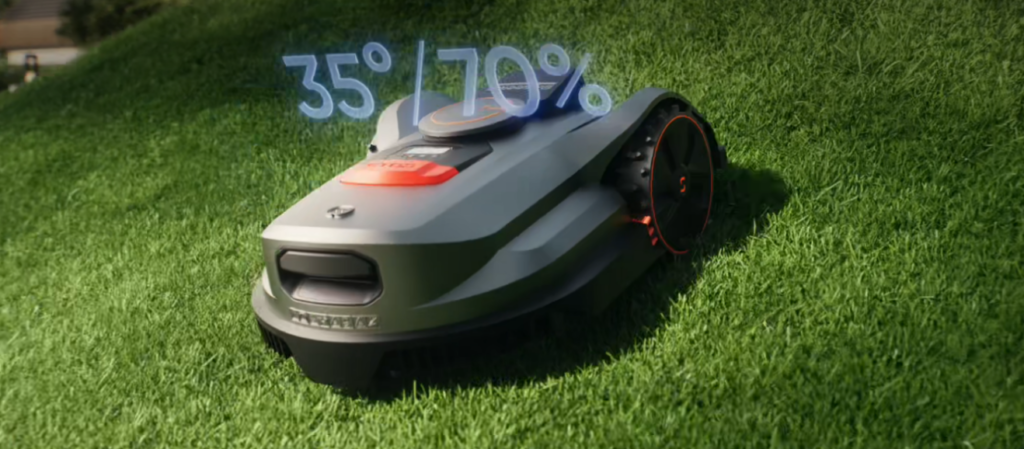
AI-powered mapping allows robot lawn mowers to learn the layout of a yard and cut it more systematically. Instead of repeatedly crossing the same spots, the mower builds a digital map and plans efficient routes that improve coverage and reduce mowing time. Algorithms analyze lawn shape, narrow passages, slope changes, and obstacle locations to create smarter travel patterns. Some systems divide the yard into zones, allowing targeted mowing for different grass growth rates or usage levels. AI can also refine routes over time based on completed sessions and detected problem areas. This approach reduces unnecessary battery drain, limits wheel wear, and produces a more even cut. Smarter path planning turns robotic mowing into a controlled, repeatable process.
What Smart Features Make Modern Robot Lawn Mowers More Efficient?
Automated Mowing Schedules and Adaptive Cutting Patterns
Automated mowing schedules let users set specific days, times, and mowing frequencies so the lawn stays consistently trimmed without manual intervention. Once programmed, the robot can leave its charging dock, complete its session, and return automatically. Many smart models also use adaptive cutting patterns to improve efficiency beyond fixed routines. They can increase mowing frequency during faster growing periods and reduce activity when growth slows. Some adjust path selection based on lawn size, previously mowed sections, or grass density. This prevents overcutting and helps maintain healthier turf. Frequent, light trimming also leaves finer clippings that break down quickly and support natural mulching. The result is steadier lawn appearance with less work and more efficient machine operation.
Mobile App Control, Remote Monitoring, and Smart Home Integration
Mobile app control gives users direct access to key mower settings without needing to interact with the machine physically. Through an app, owners can start or pause mowing, adjust schedules, create zones, define restricted areas, and monitor battery status in real time. Notifications can alert users when a mowing session finishes, if the mower becomes stuck, or when maintenance is needed. Remote monitoring is especially useful for larger properties or busy households because it keeps lawn care visible and manageable from anywhere. Some robot lawn mowers also integrate with smart home platforms and voice assistants, allowing hands-free commands and automation within connected home routines. These controls make robotic mowing more convenient, flexible, and responsive to daily needs.
Weather Sensors, Rain Detection, and Energy-Efficient Operation
Weather sensors improve both lawn results and mower efficiency by helping the machine respond to changing outdoor conditions. Rain detection allows many robot lawn mowers to pause mowing and return to the charging station when wet weather begins. This prevents clumping, reduces soil disturbance, and avoids unnecessary wheel slip on damp ground. Some systems restart automatically once conditions improve, keeping schedules on track with little user input. Smart models may also adjust mowing frequency based on seasonal growth patterns, which helps avoid wasted energy. Efficient motors, controlled path planning, and automatic charging behavior further reduce power use. By matching operation to weather and grass conditions, the mower protects turf quality while delivering steady, lower-energy lawn maintenance.
Conclusion
Smart robot lawn mower technologies work by combining precise navigation, obstacle detection, AI-based mapping, automated scheduling, connected controls, and weather-responsive operation. Each system plays a specific role in helping the mower cut grass accurately, safely, and efficiently with minimal supervision. GPS, RTK, and boundary setups guide movement, while sensors and cameras improve safety and adaptability. AI route planning reduces wasted motion, and app controls make day-to-day management simple. Features such as rain detection and adaptive mowing schedules further improve performance and energy use. Together, these technologies turn robotic mowing from a basic convenience into a dependable, intelligent approach to maintaining a clean, healthy, and consistently well-kept lawn.