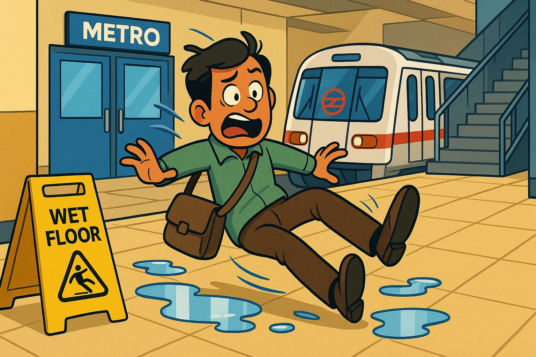
A fall in a subway station can happen in seconds – wet floors, broken tiles, uneven platform surfaces, poor lighting. For many people, the injury is serious enough to keep them off work, and the question of who pays for that becomes complicated fast.
If you slip and fall in a Toronto Transit Commission station, you do have legal options. But the rules that govern claims against the TTC are strict, and missing even one deadline can end your case before it begins.
Who Is Legally Responsible When You Fall in a TTC Station?
The TTC is a municipal transit authority that owes a duty of care to every person using its stations and vehicles. Ontario’s Occupiers’ Liability Act requires the TTC to take reasonable steps to keep its premises reasonably safe. When liability isn’t clear, many injured riders contact a slip and fall lawyer Toronto to assess whether the TTC’s conduct fell below its legal standard.
To prove liability, you need to show three things: the TTC knew or should have known about the hazard, it failed to fix it or warn you, and that failure caused your injury. A wet floor missing any warning sign, a cracked tile staff had flagged weeks before, or a stairwell light left burned out, these are the kinds of facts that build a claim. Size doesn’t shield the TTC; a large organization running scheduled inspections and maintenance staff is actually held to a higher standard of awareness.
The 10-Day Notice Rule You Cannot Afford to Miss
This is the rule that catches most people off guard. Under the City of Toronto Act and Municipal Act, anyone intending to sue the TTC must give written notice of their claim within 10 days of the incident. That’s not 10 business days, it’s 10 calendar days from the date you fell.
The notice must include your name, the date and location of the fall, and a description of how the injury occurred. You don’t need a lawyer to send it, but the notice must reach the TTC in time – ideally by registered mail so you have proof of delivery.
Courts do have some discretion to extend that deadline if you were physically or mentally incapable of giving notice, but it’s a difficult argument to make and not one you want to rely on. If you’re unsure whether you have a claim, send the notice anyway. It costs nothing to preserve your rights, and you can always decide later not to pursue the matter.
What to Do Immediately After the Fall
The choices you make in the minutes and hours after a fall directly affect the strength of any future claim. If you’re physically able, photograph the exact spot where you fell, the hazard itself, the surrounding area, and any warning signs that were or weren’t present. Get the names and contact information of anyone who witnessed what happened.
Before you leave, report the incident to a TTC employee or station collector. Ask them to complete an incident report and note the time you made that request. The TTC’s own records can later confirm the hazard existed.
Seek medical attention the same day, even when the pain feels manageable. Emergency room records, clinic notes, and physician assessments all establish that your injury happened when you say it did and tie it directly to the fall. Gaps in treatment are one of the first things an insurance adjuster points to when disputing a claim.
What Compensation You Can Claim
A successful claim against the TTC can include several categories of loss. The most common are:
- Medical expenses – physiotherapy, medication, assistive devices, and any future treatment costs related to the injury
- Lost income – wages you missed while you recovered, and any reduction in future earning capacity if the injury is long-term
- Pain and suffering – compensation for the physical pain and the effect the injury had on your daily life
- Out-of-pocket costs – transportation to appointments, home care, and other expenses that arose directly from the fall
The value of a claim depends on the severity of the injury, the length of recovery, your age and occupation, and the strength of the evidence. A fractured hip that keeps a tradesperson off work for eight months is a materially different claim than a sprained wrist that heals in six weeks.
How Comparative Fault Can Reduce What You Recover
Ontario follows a system of contributory negligence, which means a court can find you partly responsible for your own fall. If you were on your phone, wearing inappropriate footwear for the conditions, or ignored a visible warning sign, the TTC will argue you share the blame.
Under the Contributory Negligence Act, your damages get reduced by whatever percentage of fault is assigned to you. If a judge finds you 30% responsible for a $100,000 claim, you recover $70,000. So the TTC’s defence strategy often focuses less on denying a hazard existed and more on pushing fault toward the injured person.
And the TTC has experienced legal counsel. Their team will review surveillance footage, interview staff, and look for anything in your history or conduct that supports a contributory negligence argument. Document everything from your side with the same level of care.
Conclusion
A fall in a TTC station isn’t just a bad day, it can mean months of physical recovery, financial pressure, and a legal process that moves fast. The 10-day notice window is the most critical deadline to remember, and missing it typically ends any chance of compensation. Photograph the scene, report to TTC staff, get medical care right away, and keep every record of your expenses and treatment. The strength of a claim almost always comes down to the quality of evidence gathered in the hours and days immediately after the fall.