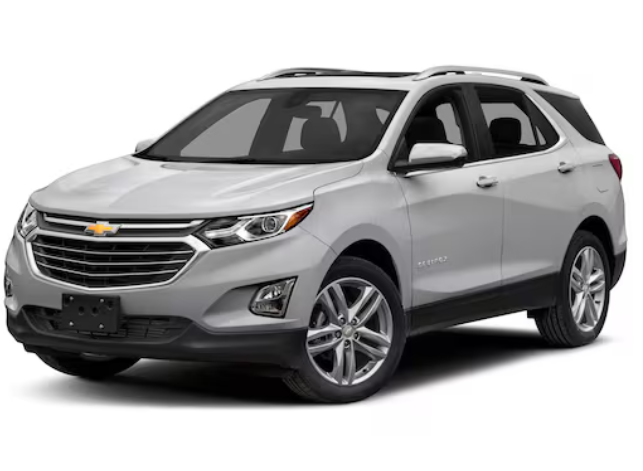
Buying a used car can be a smart financial decision, but getting the best deal requires strategy, patience, and proper research. With so many listings available and prices varying widely, it’s easy for buyers to either overpay or miss out on better opportunities. Understanding how to approach the market gives you a stronger position when negotiating and comparing options. Many shoppers begin their search at a Chevy dealership OKC to explore reliable used vehicles and get a sense of fair pricing in the local market. With the right approach, you can secure a high-quality vehicle at a price that fits your budget while avoiding common pitfalls.
1. Research Market Prices Before You Shop
One of the most important steps in getting a better deal is understanding the real market value of the car you want. Without research, it’s easy to rely solely on the seller’s asking price, which may be higher than average.
To research effectively:
- Compare prices across multiple online platforms
- Check listings from both dealerships and private sellers
- Look at similar models with the same mileage and condition
- Use vehicle valuation tools for price estimates
By knowing the average price range, you can quickly identify overpriced listings and focus on fair or below-market deals. This knowledge also strengthens your negotiating position.
2. Check Vehicle History Carefully
A vehicle’s history can significantly affect its value and future reliability. Before committing to a purchase, always review a full vehicle history report.
Important details to check include:
- Accident history and severity
- Number of previous owners
- Service and maintenance records
- Title status (clean, salvage, rebuilt)
- Mileage consistency
A car with a clean history is generally more valuable and reliable. However, vehicles with minor issues may still offer good value if priced appropriately. Understanding the history helps you avoid hidden risks and overpaying for problematic cars.
3. Be Flexible With Your Options
Flexibility can significantly improve your chances of finding a better deal. Buyers who limit themselves to a specific model, color, or feature set often miss out on more affordable opportunities.
Ways to stay flexible include:
- Considering multiple models within the same category
- Being open to different trim levels
- Exploring slightly older model years
- Looking at alternative fuel types or engines
For example, choosing a slightly older model with similar features can save thousands without sacrificing performance. Flexibility increases your options and improves your bargaining power.
4. Time Your Purchase Strategically
Timing plays a major role in how much you pay for a used car. Prices often fluctuate based on demand, season, and dealership goals.
Best times to buy include:
- End of the month (sales targets pressure dealers)
- End of the year (inventory clearance)
- Holiday sales events
- Off-peak buying seasons
During these periods, dealerships may be more willing to offer discounts or incentives to meet sales goals. Being patient and waiting for the right moment can lead to significant savings.
5. Negotiate With Confidence and Knowledge
Negotiation is one of the most effective ways to secure a better deal, but it requires preparation. Buyers who understand the market and vehicle condition are in a stronger position to negotiate effectively.
Smart negotiation tips include:
- Use market research to justify your offer
- Point out any flaws or needed repairs
- Start with a lower offer than your maximum budget
- Be ready to walk away if the deal isn’t right
Dealers often expect negotiation, so don’t hesitate to ask for a better price or additional benefits such as warranties, servicing, or free maintenance packages. Confidence and preparation can make a big difference in the final price.
Bonus Tip: Inspect and Test Drive Thoroughly
Even if a deal looks good on paper, a physical inspection and test drive are essential. This step helps ensure the car is in good condition and matches the seller’s description.
During inspection, pay attention to:
- Engine noise and performance
- Brake responsiveness
- Tire condition and alignment
- Interior wear and electronics functionality
A test drive also helps you evaluate comfort, handling, and overall driving experience. If any issues arise, you can use them as leverage in negotiations or reconsider the purchase.
Understanding Total Ownership Costs
Getting a good deal isn’t just about the purchase price—it’s also about long-term affordability. Some cars may be cheaper upfront but cost more over time due to maintenance, fuel, or insurance.
Consider:
- Fuel efficiency and gas costs
- Insurance premiums
- Repair and maintenance expenses
- Availability of spare parts
A slightly higher purchase price may still be a better deal if the vehicle is more reliable and cheaper to maintain over time.
Avoid Emotional Buying Decisions
One common mistake buyers make is becoming emotionally attached to a vehicle too quickly. This can lead to rushed decisions and overpaying.
To avoid this:
- Compare multiple vehicles before deciding
- Stick to your budget limits
- Take time to evaluate all options
- Don’t feel pressured by sales tactics
Keeping emotions in check ensures that your decision is based on value and practicality rather than impulse.
Use Multiple Dealerships for Comparison
Shopping around is one of the most effective ways to get a better deal. Different dealerships may offer different prices, incentives, and financing options for the same type of vehicle.
Benefits of comparing dealerships:
- Better understanding of market pricing
- Access to competitive offers
- More negotiation leverage
- Increased chances of finding special promotions
Even a small difference in price between dealerships can lead to significant savings.
Look for Certified Pre-Owned Options
Certified pre-owned (CPO) vehicles often provide a balance between affordability and reliability. These vehicles are inspected, refurbished, and backed by warranties from the manufacturer or dealership.
Advantages of CPO vehicles:
- Thorough inspection process
- Warranty coverage for added protection
- Higher reliability than standard used cars
- Peace of mind for buyers
While they may cost slightly more than non-certified vehicles, the added benefits often justify the price.
Conclusion
Getting better deals on used cars requires a combination of research, patience, and smart decision-making. By understanding market prices, checking vehicle history, and staying flexible with your choices, you can significantly improve your chances of finding a great deal.
Timing your purchase, negotiating confidently, and considering total ownership costs further strengthen your position as a buyer. When approached strategically, the used car market offers plenty of opportunities to save money without compromising quality or reliability. Taking the time to follow these tips ensures that your next vehicle purchase is both financially smart and satisfying in the long run.